Early Innate Microvascular Inflammation and Endothelial Activation Define the Xenoimmune Signature After Pig-to-Human Heart Transplantation

Early Innate Microvascular Inflammation and Endothelial Activation Define the Xenoimmune Signature After Pig-to-Human Heart Transplantation

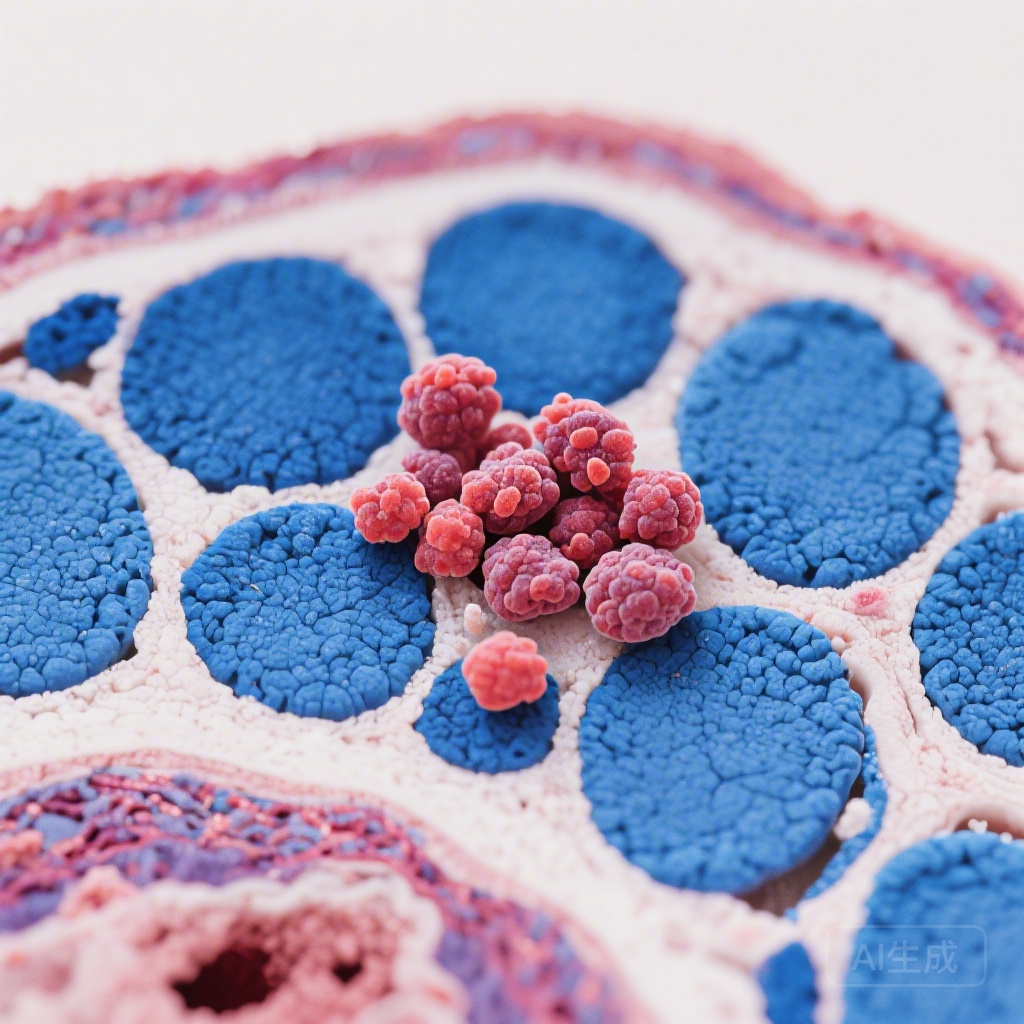
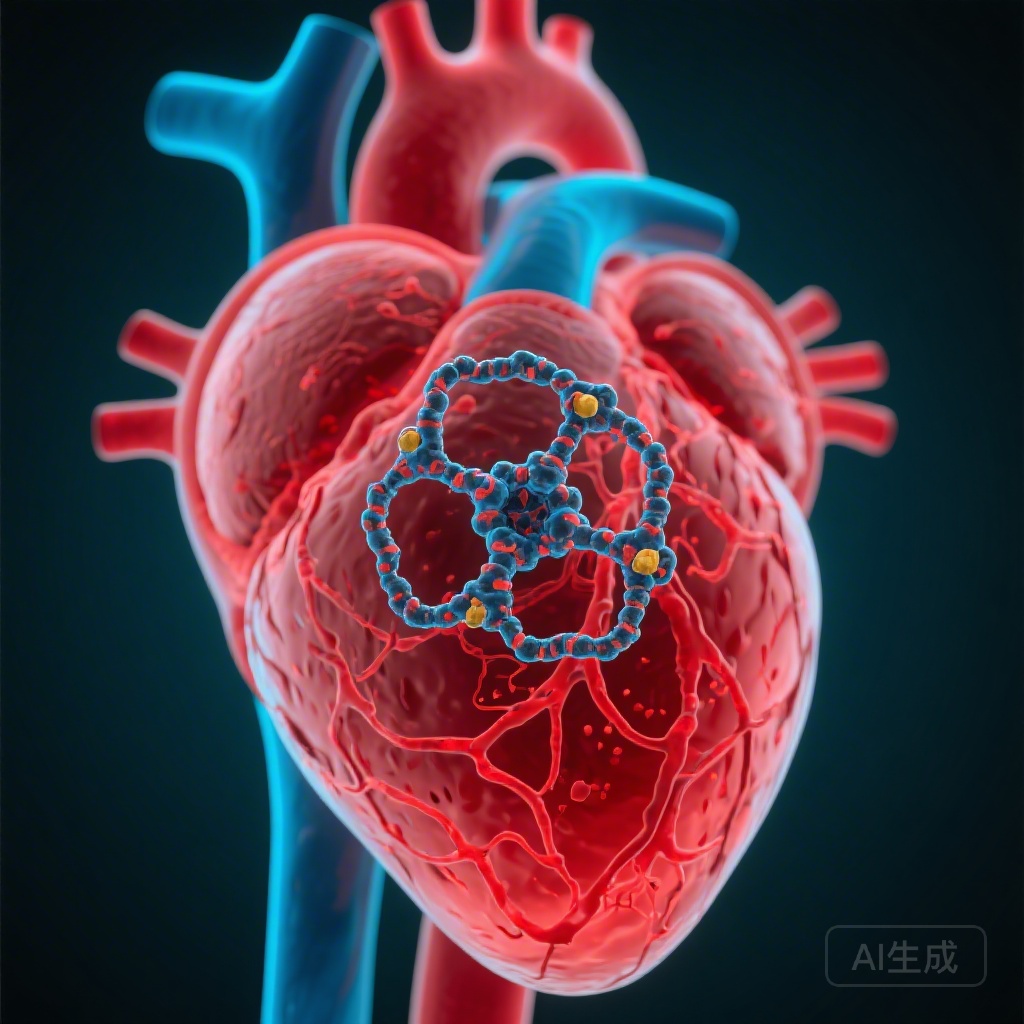
Multimodal analysis of two 10-gene–edited pig hearts transplanted into brain-dead human recipients revealed early innate microvascular inflammation with endothelial activation and a molecular profile consistent with antibody-mediated injury despite absent capillary C4d. A precision diagnostic approach may improve graft surveillance.
Elevated Blood Pressure in Adolescence Predicts Dose‑Dependent Coronary Atherosclerosis in Middle Age: Implications for Early Detection and Prevention

Elevated Blood Pressure in Adolescence Predicts Dose‑Dependent Coronary Atherosclerosis in Middle Age: Implications for Early Detection and Prevention

A Swedish cohort study of 10,222 men linked adolescent blood pressure to coronary atherosclerosis by CCTA ~40 years later; higher systolic BP in adolescence, even in the ‘elevated’ range, was associated with greater odds of severe (>50%) coronary stenosis in middle age.
Underweight in Type 2 Diabetes Raises Cardiovascular Risk — Severe Leanness Carries Greater Risk Than Obesity

Underweight in Type 2 Diabetes Raises Cardiovascular Risk — Severe Leanness Carries Greater Risk Than Obesity

A nationwide Korean cohort found that underweight patients with Type 2 diabetes—especially those with severe underweight—have higher cardiovascular risk than normal-weight and even some obese patients, underscoring the need to screen and manage malnutrition, sarcopenia, and frailty in diabetes care.
Excessive Glycosylation and the HBP–ISR Axis: A Metabolic Driver of Thoracic Aortic Aneurysm with Therapeutic Implications

Excessive Glycosylation and the HBP–ISR Axis: A Metabolic Driver of Thoracic Aortic Aneurysm with Therapeutic Implications

A preclinical and human tissue study shows up-regulation of the hexosamine biosynthetic pathway and downstream integrated stress response in thoracic aortic aneurysm, linking excessive glycosylation to vascular smooth muscle cell dysfunction and medial degeneration; pharmacologic inhibition reverses disease features in a Marfan model.
METTL14 and LATS1/2 Define Divergent Endothelial Programs That Drive Vascular Ageing and Atherothrombosis — New Therapeutic Nodes in Cardio‑Vascular Senescence

METTL14 and LATS1/2 Define Divergent Endothelial Programs That Drive Vascular Ageing and Atherothrombosis — New Therapeutic Nodes in Cardio‑Vascular Senescence

Two complementary studies identify METTL14/TLR4 and LATS1/2–CD38–SUOX axes as key drivers of endothelial senescence phenotypes that promote arterial ageing, stiffness, fragile neovessels and atherothrombotic plaque formation, highlighting new biomarker and therapeutic opportunities.
Real-time Sepsis Risk Prediction in Acute Gastrointestinal Bleeding: A Validated Dynamic Monitoring Tool That Improves Early Stratification

Real-time Sepsis Risk Prediction in Acute Gastrointestinal Bleeding: A Validated Dynamic Monitoring Tool That Improves Early Stratification

A multicenter Chinese study developed and validated a real-time nomogram that predicts sepsis in acute gastrointestinal bleeding (AGIB) using clinical and laboratory variables; the tool showed strong discrimination (AUCs 0.827–0.884), good calibration, and an online monitoring platform for dynamic alerts.
Preoperative Pembrolizumab Plus Chemoradiotherapy (PPCT) for Locally Advanced Resectable ESCC: PALACE‑2 Phase 1/2 Results and Immune‑Microenvironment Insights

Preoperative Pembrolizumab Plus Chemoradiotherapy (PPCT) for Locally Advanced Resectable ESCC: PALACE‑2 Phase 1/2 Results and Immune‑Microenvironment Insights

PALACE‑2 reports that preoperative pembrolizumab combined with chemoradiotherapy produced a 43.2% pathologic complete response in resectable, locally advanced esophageal squamous cell carcinoma, with acceptable short‑term survival and a high rate of grade ≥3 toxicities; IL‑6 emerged as a potential predictive and targetable mediator of response.
Early IL‑17A Blockade vs Step‑Up Therapy in Psoriatic Arthritis: STAMP trial shows no superior 6‑month benefit for secukinumab-first treat‑to‑target strategy

Early IL‑17A Blockade vs Step‑Up Therapy in Psoriatic Arthritis: STAMP trial shows no superior 6‑month benefit for secukinumab-first treat‑to‑target strategy

The STAMP randomized trial found that a treat‑to‑target strategy starting with secukinumab plus methotrexate did not achieve superior 6‑month ACR50 rates versus a conventional methotrexate‑first step‑up approach; 12‑month outcomes were similar for both strategies.
Extratemporal epilepsy, obesity and male sex predict SUDEP risk in drug‑resistant focal epilepsy: clinical insights from the REPO2MSE prospective case‑control study

Extratemporal epilepsy, obesity and male sex predict SUDEP risk in drug‑resistant focal epilepsy: clinical insights from the REPO2MSE prospective case‑control study

A multicentre prospective nested case‑control analysis (REPO2MSE) identifies extratemporal seizure onset, BMI ≥30, male sex, and predominantly nocturnal seizures as independent SUDEP risk factors in drug‑resistant focal epilepsy; peri‑ictal hypoxaemia and focal‑to‑bilateral tonic‑clonic seizure frequency were not significant.