Primary Cesarean Delivery Linked to Decreased Subsequent Fertility and Increased ART Utilization: A Decadal Population Study

Primary Cesarean Delivery Linked to Decreased Subsequent Fertility and Increased ART Utilization: A Decadal Population Study

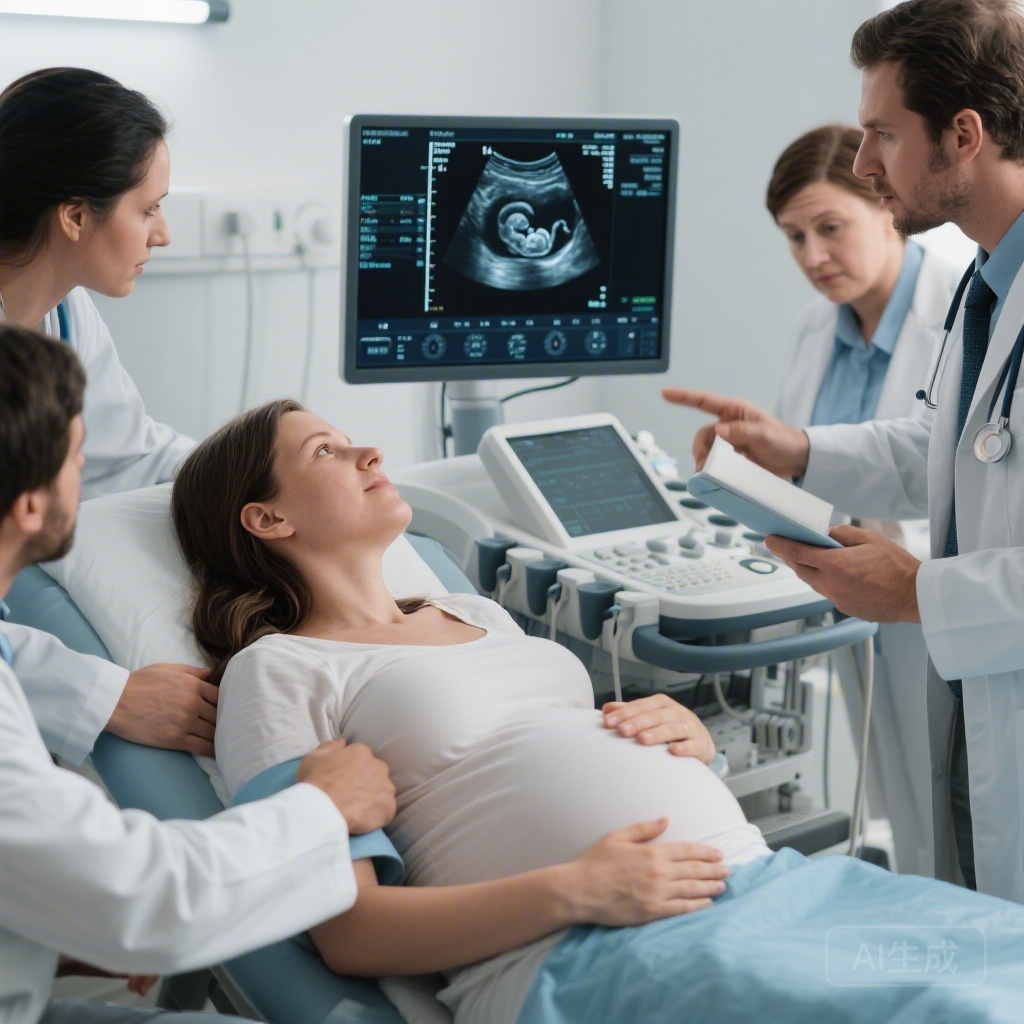
A large-scale retrospective cohort study involving nearly 300,000 women demonstrates that undergoing a cesarean delivery for a first birth is associated with an 11% lower likelihood of a second live birth and a 28% higher reliance on assisted reproductive technology for subsequent conception.
Beyond a Uniform Approach: Data-Driven Phenotyping Reveals High-Risk Clusters in Gestational Diabetes Mellitus

Beyond a Uniform Approach: Data-Driven Phenotyping Reveals High-Risk Clusters in Gestational Diabetes Mellitus

A groundbreaking machine learning study of over 37,000 patients identifies four distinct GDM phenotypic clusters. These findings demonstrate that early-diagnosed, high-comorbidity phenotypes carry a four-fold increased risk of postpartum diabetes, signaling a need for personalized clinical management in obstetric care.
Prioritizing Return of Value: A Roadmap to Enhancing Biobanking Participation Among Black Women with Endometrial Cancer

Prioritizing Return of Value: A Roadmap to Enhancing Biobanking Participation Among Black Women with Endometrial Cancer

This community-engaged mixed-methods study identifies critical Return of Value (ROV) elements, such as genetic insights and community health benefits, to improve biobanking engagement among Black women with endometrial cancer, offering 14 actionable recommendations for equitable translational research.