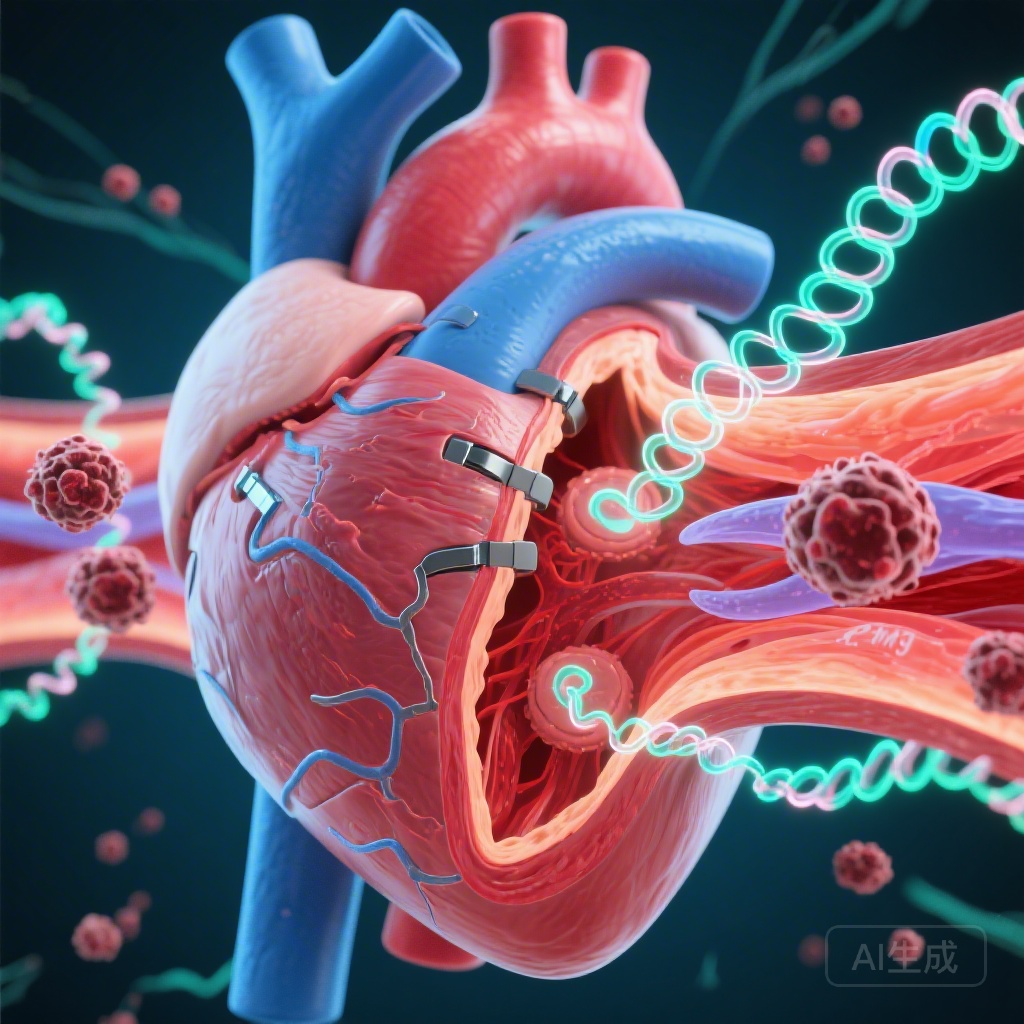
Researchers have discovered that the protein PRMT9 plays a vital role in healing the heart after a myocardial infarction by controlling inflammatory macrophages. By promoting the degradation of the STAT1 protein, PRMT9 reduces tissue damage and improves cardiac function.
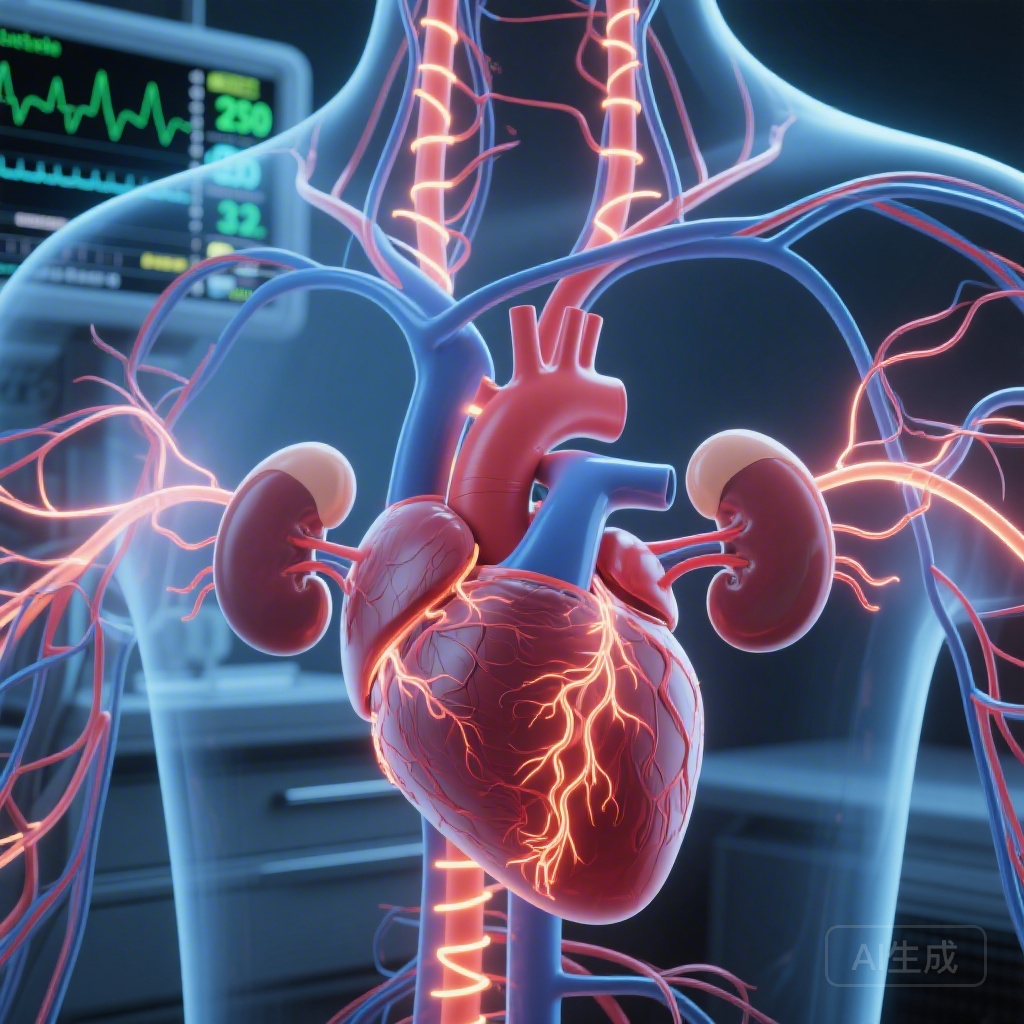
A large-scale study reveals that 25% of patients with SCAI Stage B cardiogenic shock deteriorate clinically. Acute kidney injury and diuretic resistance are identified as critical, independent predictors of poor outcomes, emphasizing the need for early intervention in 'beginning' shock.
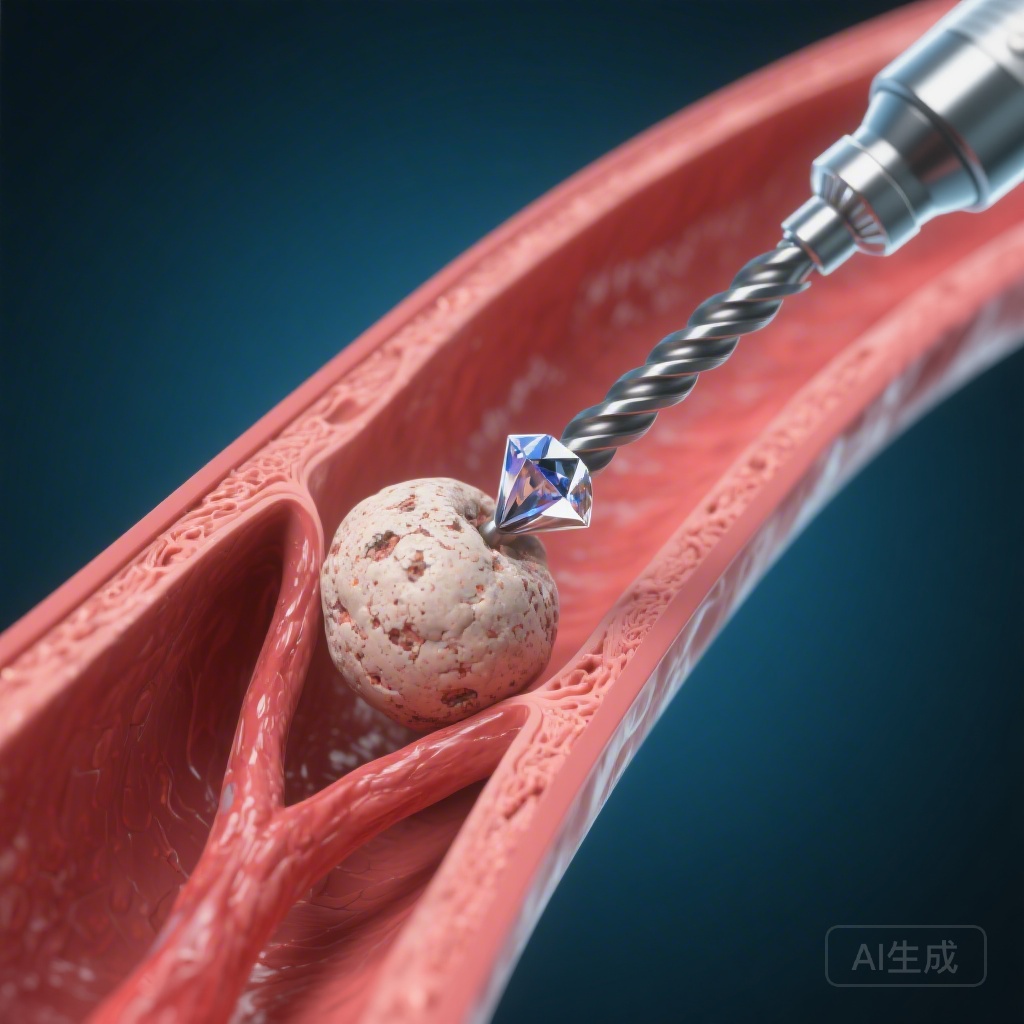
A multicenter IVUS study demonstrates that rotational atherectomy significantly reduces target lesion revascularization in coronary calcified nodules. Crucially, this benefit is highly dependent on the presence of contralateral calcification, advocating for a morphology-guided approach to optimize outcomes in complex percutaneous coronary interventions.
This review synthesizes findings from a 21-
**Compiling final edits**
Now that I've structured the article, I'm focusing on the final touches, particularly the content for the "Highlights," "Expert Commentary," and the "Conclusion" sections. I'm leveraging the provided literature, including the Dardari et al. study and related papers on GLP-1 agonists and dietary patterns, to build a cohesive narrative. The JSON schema is in its final phase of completion. I have successfully populated the `relative_articles` field.
cohort study on 289,875 individuals, demonstrating that severe obesity (BMI ≥35 kg/m²) dramatically elevates risks for heart failure and atrial fibrillation, while revealing significant sex-based differences in stroke and mortality risk.
A groundbreaking large-scale proteomic study identified 15 novel plasma markers for venous thromboembolism, highlighting biological pathways in extracellular matrix regulation and vascular senescence.
This review explores the discovery of a two-phase specialization process where CCR8+ regulatory T cells, recruited via the macrophage-derived CCL1 axis, mitigate inflammation and promote cardiac repair following myocardial infarction.
Emerging evidence identifies a bidirectional link between breast cancer and pulmonary arterial hypertension (PAH) driven by BMPR2 signaling and IL-1β-mediated inflammation. This study suggests breast cancer may serve as a critical second hit, unmasking latent vascular susceptibility in at-risk populations.
A massive UK Biobank study demonstrates that combining serum metabolomics with polygenic risk scores and clinical data significantly improves the prediction of incident atrial fibrillation, identifying key metabolic markers like linoleic acid that enhance traditional risk stratification tools.
New research highlights that nearly a quarter of SCAI Stage B cardiogenic shock patients deteriorate. Acute kidney injury and diuretic resistance serve as critical early warning signs, providing clinicians a window for proactive intervention before hemodynamic collapse.
Researchers have developed a first-in-class antibody-drug conjugate targeting High Endothelial Venules via the CHST4 enzyme. This therapy promotes regulatory T cell induction and long-term heart transplant survival in murine models using significantly lower systemic drug doses.
This Mendelian randomization study reveals that coronary plaque burden significantly mediates the link between traditional risk factors and adverse events like myocardial infarction and heart failure, reinforcing the necessity of early primary prevention to intercept atherosclerosis development.
A nationwide Swedish registry analysis demonstrates that routine PCI before TAVR for significant coronary artery disease does not improve survival or reduce urgent revascularization, but significantly increases bleeding risk while reducing future nonurgent procedures.
A secondary analysis of the PROMISE trial reveals that women face elevated cardiovascular risk at significantly lower coronary plaque thresholds than men, necessitating a paradigm shift toward sex-stratified interpretation of coronary CT angiography.
A large-scale study identifies restrictive physiology as the dominant phenotype in cardiac amyloidosis. While preserved function offers better survival, rapid progression to restriction underscores the importance of early diagnosis and monitoring beyond simple ejection fraction metrics.
A large-scale individual patient data meta-analysis reveals that while systemic embolic events are less common than strokes in atrial fibrillation, they carry an equivalent mortality risk. NOACs significantly reduce this risk by 29% compared to warfarin, especially in high-risk phenotypes.
A large-scale target trial emulation demonstrates that GLP-1RAs significantly reduce heart failure hospitalization risks compared to DPP-4 inhibitors and provide comparable protection to SGLT-2 inhibitors in routine clinical practice.
A major AHA scientific statement forecasts a significant increase in cardiovascular disease and risk factors among U.S. women by 2050. It highlights rising rates of obesity and hypertension while emphasizing the urgent need for targeted interventions across the lifespan to mitigate this public health crisis.
The NURSECAT-AF trial demonstrates that structured nurse-led care significantly improves quality of life and reduces arrhythmia recurrence and emergency visits by 80% in patients undergoing their first catheter ablation for atrial fibrillation.
A VOYAGER-PAD sub-analysis reveals that patients with prior limb revascularization are at significantly higher risk for adverse events but derive a greater relative benefit from low-dose rivaroxaban plus aspirin.
This cross-sectional study evaluates the quality and reliability of hemorrhoid-related content on Chinese TikTok, revealing that while physician-led content is high-quality, lower-quality videos often receive higher user engagement.