The FDA has approved trastuzumab deruxtecan with pertuzumab as first-line therapy for unresectable or metastatic HER2‑positive breast cancer after DESTINY‑Breast09 showed a large PFS benefit versus standard THP; safety and maintenance strategy questions remain.
A 2025 Cochrane review of 21 RCTs (2431 participants) finds cognitive behavioural therapy for insomnia (CBT‑I) yields modest improvements in self‑reported insomnia and sleep quality in people with cancer versus inactive controls or aerobic activity; objective sleep changes and long‑term effects remain uncertain.
This review synthesizes recent randomized controlled trials and meta-analyses on calcium supplementation during pregnancy, evaluating its effectiveness in preventing hypertensive disorders such as pre-eclampsia and related maternal and neonatal outcomes.
A Cochrane review of nine RCTs (829 patients) found low‑certainty signals that intraperitoneal chemotherapy (mainly HIPEC) may improve overall survival in high‑risk and metastatic gastric cancer, but evidence is very uncertain due to bias, imprecision, and limited safety and QOL data.
Updated Cochrane analysis (212 RCTs, 16,302 participants) finds methylphenidate may reduce teacher-rated ADHD symptoms and improve general behaviour but increases non‑serious adverse events; overall evidence certainty is very low.
A 2025 Cochrane review (5 RCTs, 402 patients, mainly women with breast cancer) finds very low- to moderate-certainty evidence that acupuncture delivers small, uncertain sleep diary benefits versus sham or inactive controls and is probably less effective than CBT‑I for insomnia in people with cancer.
The FDA approved once‑daily niraparib plus abiraterone acetate and prednisone for adults with deleterious or suspected deleterious BRCA2‑mutated metastatic castration‑sensitive prostate cancer (CSPC), based on rPFS and interim overall survival benefits in the AMPLITUDE trial.
A Cochrane review of seven RCTs (494 participants) finds low- to very low-certainty evidence that select medical therapies — notably recombinant human nerve growth factor — may improve corneal re-epithelialization in neurotrophic keratopathy; evidence on vision, sensitivity, and surgical options remains inconclusive.
The FDA has approved inebilizumab-cdon (Uplizna) for adults with AChR- or MuSK-antibody positive generalized myasthenia gravis based on the phase 3 MINT trial showing a 1.9-point MG‑ADL improvement at 26 weeks versus placebo and sustained benefit in AChR+ patients through 52 weeks.
Systematic review evidence suggests manual therapy with exercise moderately improves function and reduces pain in chronic neck pain compared with no treatment; benefits versus placebo are less clear, highlighting need for further trials and optimized reporting.
A 2025 Cochrane review of 24 non-randomised studies (26,127 participants) found very low‑certainty evidence comparing conservative kidney management (CKM) with dialysis in people aged ≥65 with stage 5 chronic kidney disease; survival and quality-of-life differences are uncertain, highlighting the need for individualized decisions and higher-quality research.
A Cochrane review of 22 cohort studies (6,082 patients) found bilateral disease, disc haemorrhage, female sex, and active treatment have the most consistent associations with visual-field progression in open-angle glaucoma, but overall evidence quality is limited.
A national cohort study from England and Wales found two-thirds of infants born <32 weeks’ gestation had ≥1 hospital admission before age 2, with lower gestational age and neonatal morbidities (BPD, severe NEC, brain injury) substantially increasing total hospitalization days.
An international cohort of 5,019 infants born at 22–23 weeks shows large between‑network variation in survival and major morbidities, highlighting effects of practice, systems, and policy on outcomes and the need for unified data-driven strategies.
A 2025 systematic review of 65 studies (14,534 youths) finds moderate evidence for dialectical behavior therapy reducing suicidal ideation; other psychosocial interventions have low or insufficient evidence and pharmacologic/neurotherapeutic approaches are largely untested.
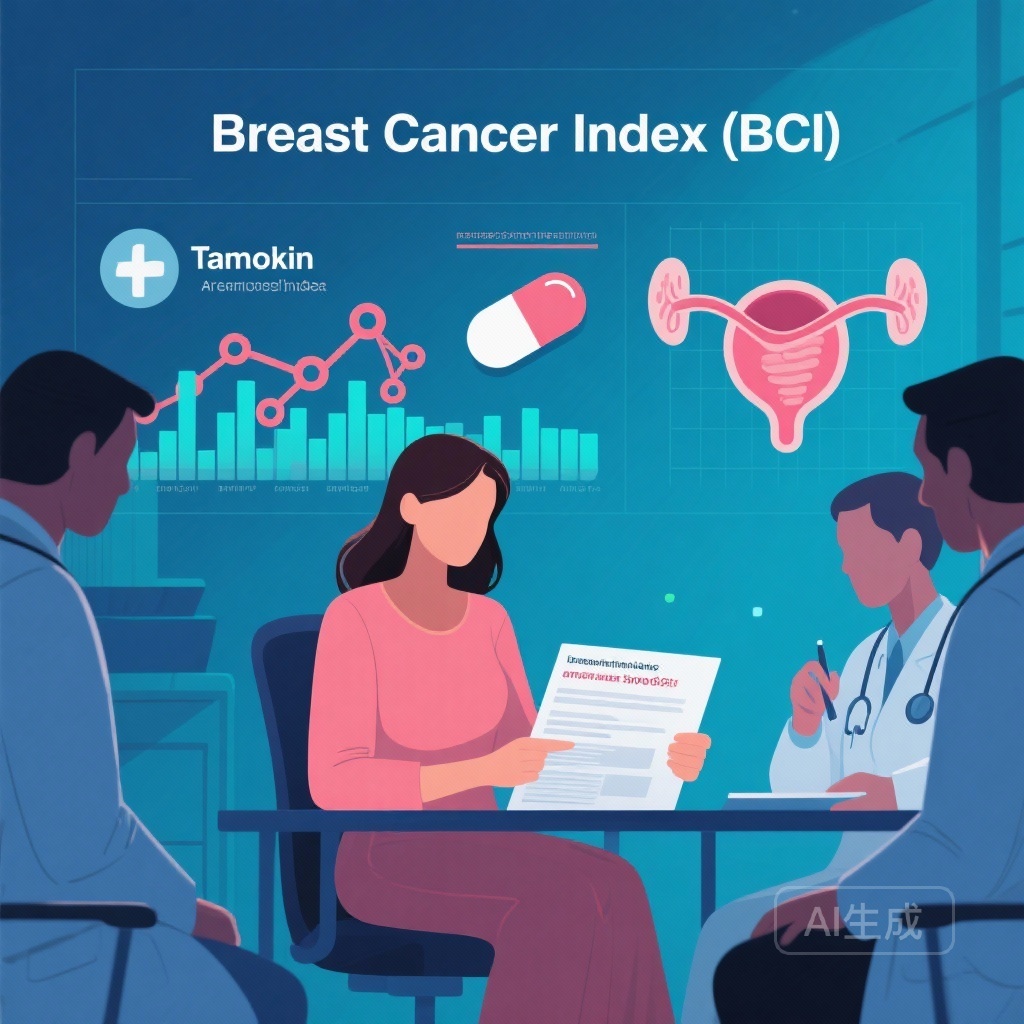
Two large prospective‑retrospective analyses confirm BCI as a robust prognostic biomarker in premenopausal HR+ breast cancer; its HOXB13/IL17BR (H/I) component predicted benefit from adding ovarian function suppression versus tamoxifen alone but did not clearly predict superiority of exemestane+OFS over tamoxifen+OFS.
A large retrospective cohort study shows traumatic spinal cord injury (TSCI) is associated with increased long-term cardiovascular, neurologic, psychiatric, and endocrine morbidity and higher mortality, even in previously healthy adults.
Integrated analysis shows a 2013 NEN classification change inflated EOCRC counts in the youngest adults, while independent molecular studies reveal distinct hypermutated and non‑hypermutated EOCRC subtypes with higher MSI/TMB and pathway-specific differences across populations. Implications for diagnosis, surveillance, and precision therapy are discussed.