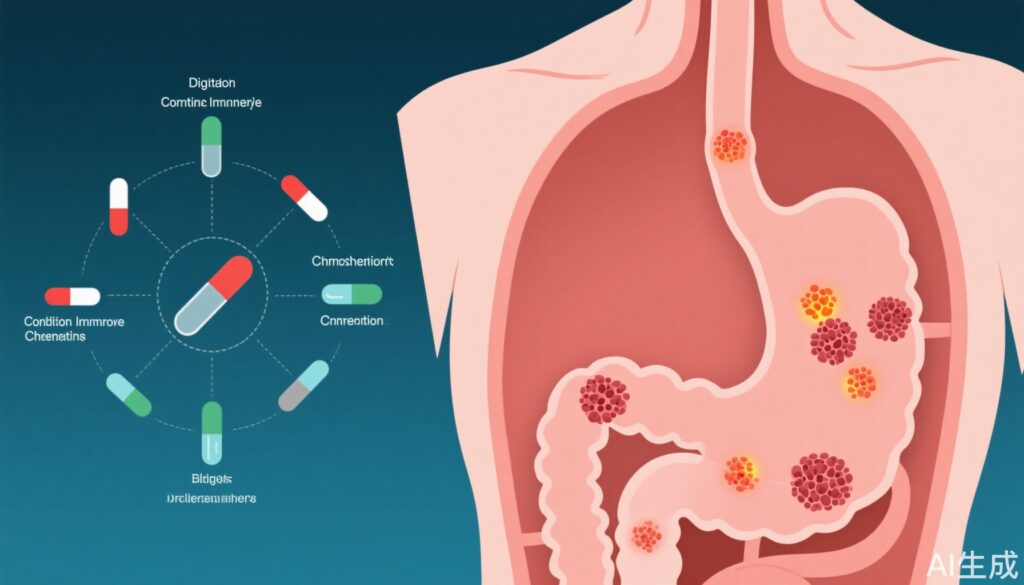
Antibody-drug conjugates (ADCs) have transformed breast cancer therapy but bring notable toxicity risks. This review examines the clinical evidence, adverse event management, and future directions for optimizing ADC use.
Recent research highlights that estrogen-only hormone therapy may reduce breast cancer risk in women under 55, while combined estrogen-progestin therapy could increase risk.
Emerging research reveals heightened risk of cervical cancer in women aged 65 and older, driven by human papillomavirus (HPV). Continued screening is crucial to address increasing incidence and improve outcomes.
Self-collection devices for cervical cancer screening offer a safe, effective, and preferred alternative to traditional methods, increasing accessibility and compliance.
Mail-in HPV self-collection kits significantly increase cervical cancer screening participation, offering a promising tool to enhance early detection and preventive care.
Music therapy is emerging as a promising approach in cancer recovery, easing symptoms, supporting mental health, and enhancing quality of life. Scientific evidence and practical recommendations reveal its growing value.
Researchers developed an AI platform designing proteins that direct immune cells to target cancer precisely, accelerating personalized immunotherapy from years to weeks. This breakthrough enables rapid, specific treatments, promising safer, adaptable cancer therapies, pending clinical trials to ensure efficacy and safety in patients.