MAGNITUDE final analyses: Niraparib + Abiraterone improves symptoms and delays chemotherapy but not overall survival in HRR‑altered mCRPC

MAGNITUDE final analyses: Niraparib + Abiraterone improves symptoms and delays chemotherapy but not overall survival in HRR‑altered mCRPC

Final MAGNITUDE results show niraparib combined with abiraterone–prednisone improves radiographic PFS, time to symptomatic progression and delays cytotoxic chemotherapy in HRR‑altered mCRPC (notably BRCA1/2), preserves patient‑reported quality of life, but did not demonstrate a statistically significant overall survival benefit in the primary analysis.

Neoadjuvant Nivolumab With or Without Low‑Dose Ipilimumab Produces High Pathologic Response and Organ Preservation in Resectable Cutaneous Squamous Cell Carcinoma: Results from the MATISSE Phase 2 Trial

Neoadjuvant Nivolumab With or Without Low‑Dose Ipilimumab Produces High Pathologic Response and Organ Preservation in Resectable Cutaneous Squamous Cell Carcinoma: Results from the MATISSE Phase 2 Trial

The randomized MATISSE trial shows neoadjuvant nivolumab ± low‑dose ipilimumab yields high major/partial pathological response rates, excellent 2‑year disease‑specific survival, and enables organ preservation in many patients with resectable cutaneous squamous cell carcinoma.
Neoadjuvant PD‑1/LAG‑3 Bispecific (tobemstomig) Matches Efficacy but Improves Safety Versus Nivolumab‑Ipilimumab in Resectable Stage III Melanoma: Insights from Morpheus‑Melanoma

Neoadjuvant PD‑1/LAG‑3 Bispecific (tobemstomig) Matches Efficacy but Improves Safety Versus Nivolumab‑Ipilimumab in Resectable Stage III Melanoma: Insights from Morpheus‑Melanoma

The randomized phase 1b/2 Morpheus‑Melanoma trial found that tobemstomig (anti‑PD‑1/anti‑LAG‑3 bispecific) produced comparable pathological response rates to nivolumab plus ipilimumab with a substantially improved safety profile in resectable stage III melanoma.
Prolonged Survival Transforms Leptomeningeal Metastasis in NSCLC: Contemporary Multicenter Cohort Shows TKIs and ICIs Improve Outcomes

Prolonged Survival Transforms Leptomeningeal Metastasis in NSCLC: Contemporary Multicenter Cohort Shows TKIs and ICIs Improve Outcomes

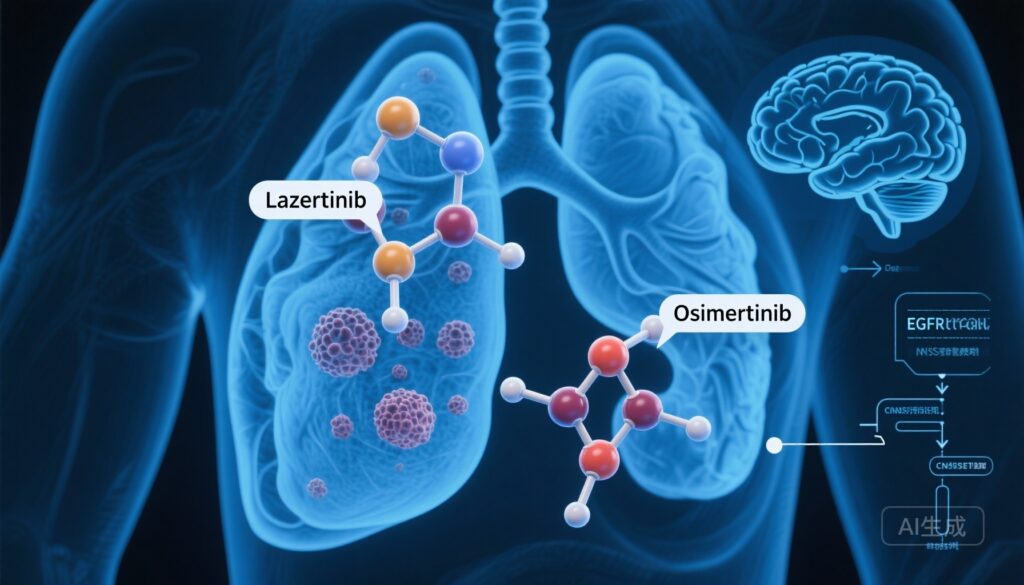
An international cohort of 2,052 NSCLC patients with leptomeningeal disease shows rising prevalence and improved survival in the modern treatment era. CNS‑penetrant tyrosine kinase inhibitors and immune checkpoint inhibitors are key drivers of delayed onset and longer leptomeningeal survival.
Immune Checkpoint Inhibitors Amplify Risk and Delay Onset of SJS/TEN: Evidence for a Two‑Hit Mechanism

Immune Checkpoint Inhibitors Amplify Risk and Delay Onset of SJS/TEN: Evidence for a Two‑Hit Mechanism

A large FAERS analysis links immune checkpoint inhibitors (ICIs) to markedly increased SJS/TEN risk, demonstrates additive synergy with high‑risk small molecules, and shows delayed latency particularly with anti–PD‑1 agents — supporting a two‑hit, T‑cell–mediated model and urging cautious coprescribing and prospective study.
Ezabenlimab plus mDCF Induction and Adaptive Chemoradiotherapy Achieve High Complete Response Rates in Stage 3 Squamous Cell Anal Carcinoma (INTERACT-ION)

Ezabenlimab plus mDCF Induction and Adaptive Chemoradiotherapy Achieve High Complete Response Rates in Stage 3 Squamous Cell Anal Carcinoma (INTERACT-ION)

The INTERACT-ION phase 2 trial reports that induction ezabenlimab with modified DCF followed by biomarker-guided, involved-node radiotherapy produced high clinical complete response rates (overall 77.8%) with a manageable safety profile in stage 3 anal squamous cell carcinoma.
Global Gaps and Delays in Care for Breast, Cervical, and Ovarian Cancer: Insights from 275,792 Women in the VENUSCANCER Analysis

Global Gaps and Delays in Care for Breast, Cervical, and Ovarian Cancer: Insights from 275,792 Women in the VENUSCANCER Analysis

The VENUSCANCER secondary analysis of 275,792 records from 103 population-based registries reveals wide global variation in stage at diagnosis, concordance with guideline-recommended initial treatments, and time to treatment for breast, cervical, and ovarian cancers — with consistent shortfalls in early detection in LMICs and marked intercountry variability in care.
Izalontamab Brengitecan Doubles Response Rates Versus Chemotherapy in Heavily Pretreated Recurrent or Metastatic Nasopharyngeal Carcinoma

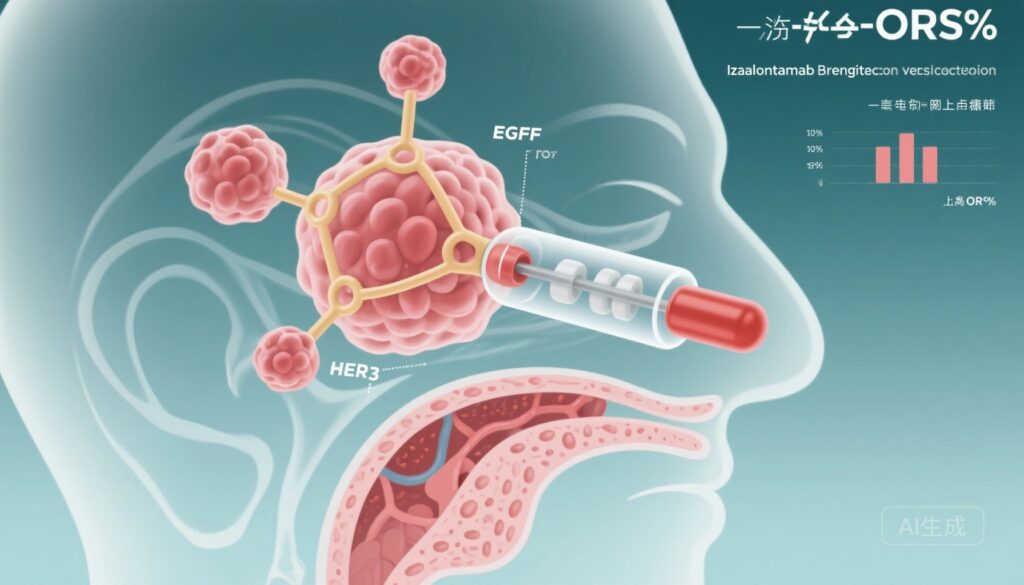
Izalontamab Brengitecan Doubles Response Rates Versus Chemotherapy in Heavily Pretreated Recurrent or Metastatic Nasopharyngeal Carcinoma

A phase 3 randomized trial in China showed the EGFR/HER3 bispecific antibody‑drug conjugate izalontamab brengitecan produced a 54.6% objective response rate versus 27.0% with chemotherapy in heavily pretreated recurrent or metastatic nasopharyngeal carcinoma, though hematologic toxicity was substantial.
SUPREMO Ten-Year Results: Chest‑Wall Irradiation After Mastectomy Lowers Local Recurrence but Does Not Improve 10‑Year Survival in Intermediate‑Risk Breast Cancer

SUPREMO Ten-Year Results: Chest‑Wall Irradiation After Mastectomy Lowers Local Recurrence but Does Not Improve 10‑Year Survival in Intermediate‑Risk Breast Cancer

The SUPREMO randomized trial found that postmastectomy chest‑wall irradiation reduces chest‑wall recurrence but does not improve 10‑year overall survival for intermediate‑risk breast cancer; a large real‑world analysis supports no overall survival benefit except possibly for pT3N0 disease.
ENDURO trial: EUS‑guided gastroenterostomy shortens time to oral intake and matches surgery for palliation of malignant gastric outlet obstruction

ENDURO trial: EUS‑guided gastroenterostomy shortens time to oral intake and matches surgery for palliation of malignant gastric outlet obstruction

A randomized trial (ENDURO) found endoscopic ultrasound‑guided gastroenterostomy (EUS‑GE) enabled earlier resumption of solid food and was non‑inferior to surgical gastrojejunostomy for recurrent obstruction, supporting EUS‑GE as preferred palliative therapy when expertise is available.
CTNNA1 Truncating Variants Define a Moderate-Penetrance Hereditary Diffuse Gastric Cancer Spectrum — Implications for Testing, Surveillance and Risk Reduction

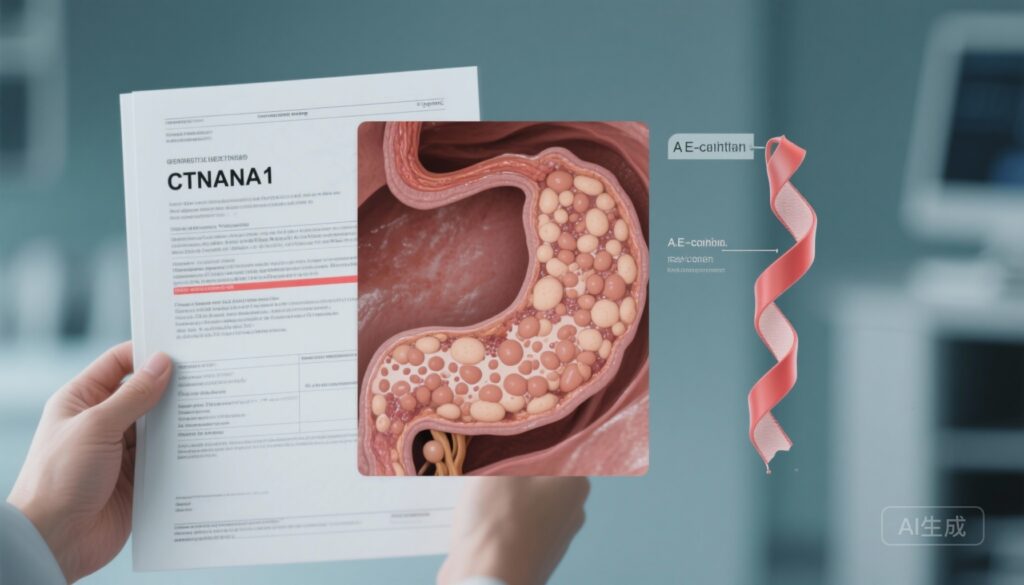
CTNNA1 Truncating Variants Define a Moderate-Penetrance Hereditary Diffuse Gastric Cancer Spectrum — Implications for Testing, Surveillance and Risk Reduction

Large clinical and functional study shows CTNNA1-truncating variants cause loss of αE-catenin via nonsense-mediated decay, confer substantially elevated risks of diffuse gastric cancer and lobular breast cancer versus general population but are less penetrant than CDH1 mutations; proposes simplified testing ('Porto' criteria) and clinical implications.