Redefining Reliever Therapy: Budesonide-Formoterol Outperforms SABA in Controlling Airway Inflammation Among Patients on Maintenance Corticosteroids

Redefining Reliever Therapy: Budesonide-Formoterol Outperforms SABA in Controlling Airway Inflammation Among Patients on Maintenance Corticosteroids

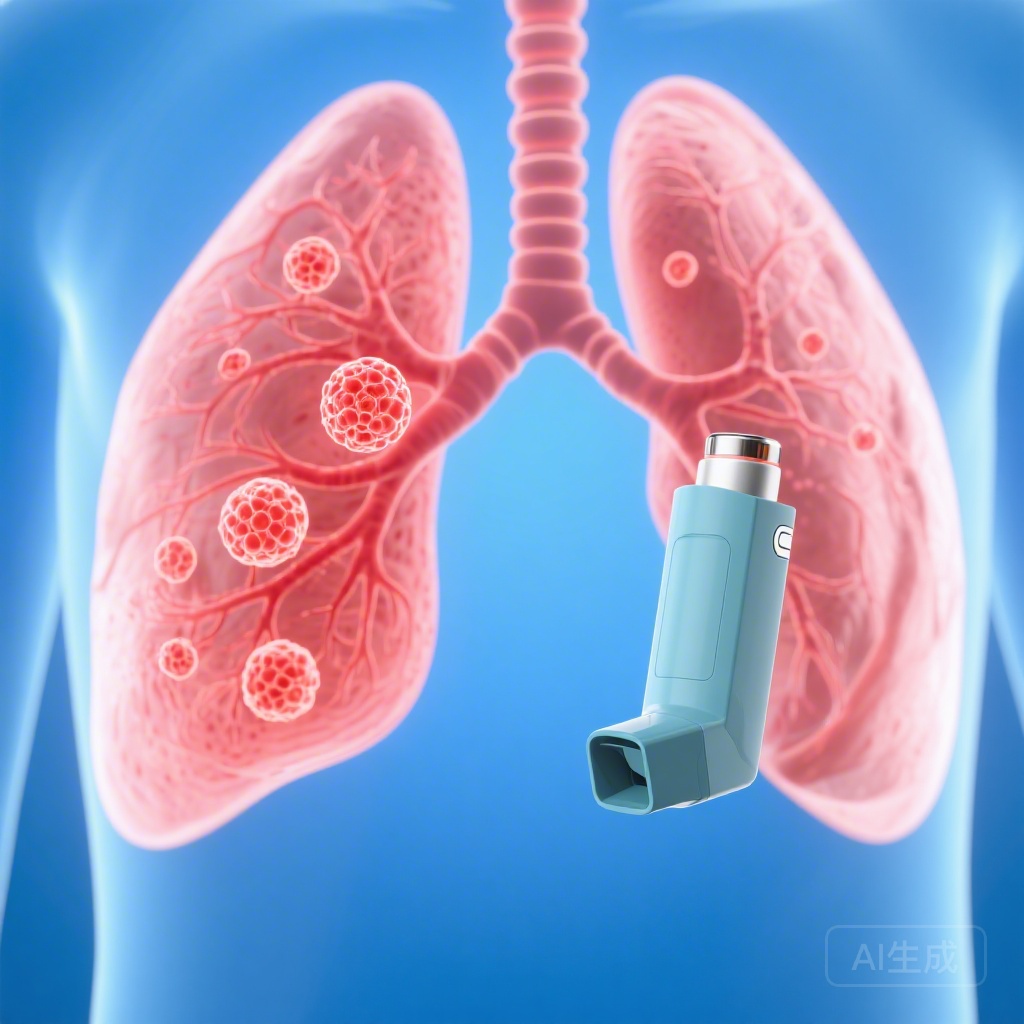
The INFORM ASTHMA trial demonstrates that budesonide-formoterol as a reliever significantly reduces Type 2 airway inflammation (FeNO) compared to terbutaline in adults already using maintenance inhaled corticosteroids, establishing a new evidence base for anti-inflammatory reliever strategies in moderate asthma.
Standard Preventive Interventions for Vasovagal Reactions Fail to Show Benefit in Massive 1.4 Million Donor Trial

Standard Preventive Interventions for Vasovagal Reactions Fail to Show Benefit in Massive 1.4 Million Donor Trial

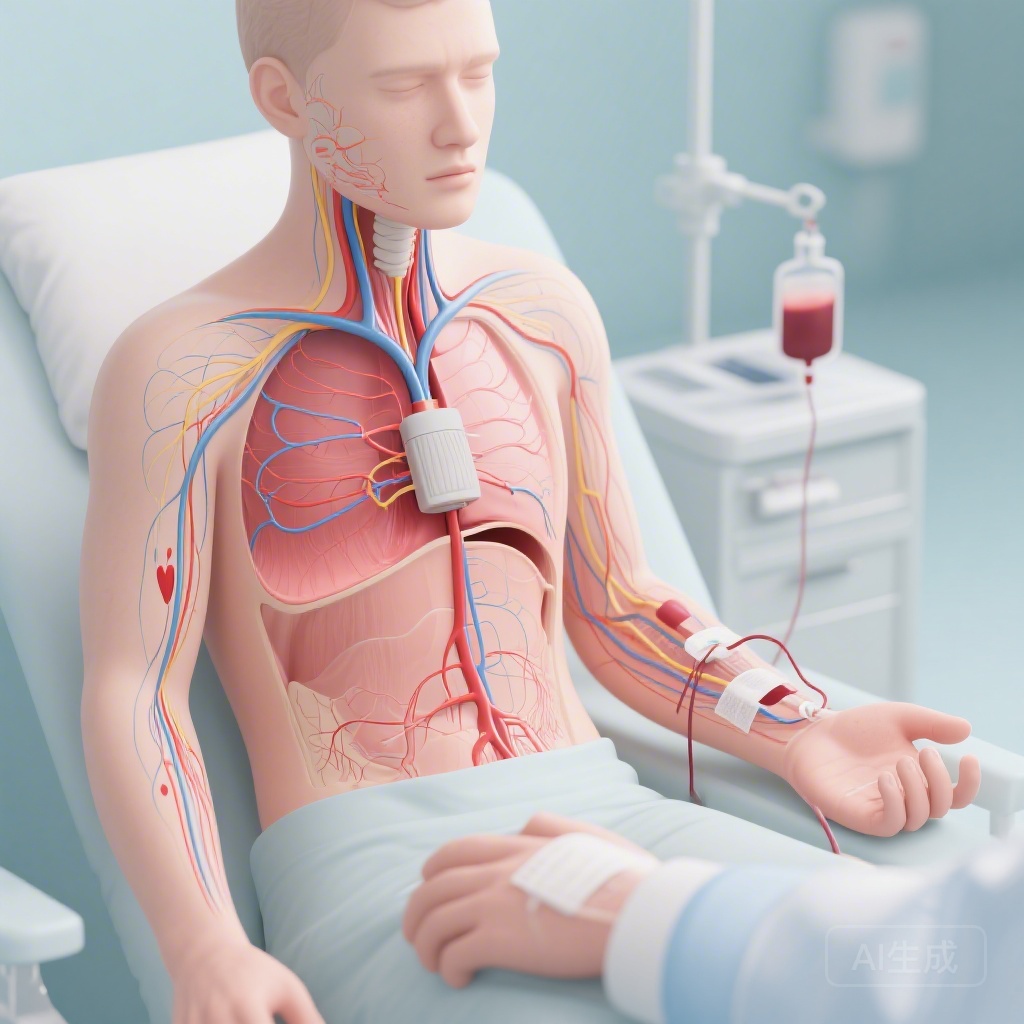
The STRIDES trial, the largest of its kind, demonstrates that isotonic drinks, extended rest, modified muscle tension, and psychosocial support do not significantly reduce vasovagal reactions in blood donors compared to existing UK standard practices, suggesting that current safety protocols may already be optimized.
Integrating Patient-Reported Outcomes Significantly Enhances the Reliability of Toxicity Assessments in Cancer Trials

Integrating Patient-Reported Outcomes Significantly Enhances the Reliability of Toxicity Assessments in Cancer Trials

A multinational randomized trial demonstrates that providing oncologists with patient-reported outcome data significantly improves the inter-rater reliability of CTCAE ratings for symptomatic adverse events, addressing a long-standing gap in clinical trial data quality and patient safety monitoring.
Fractionated Dosing of Varnimcabtagene Autoleucel Delivers Deep Remissions and Enhanced Safety in Adult B-ALL

Fractionated Dosing of Varnimcabtagene Autoleucel Delivers Deep Remissions and Enhanced Safety in Adult B-ALL

The CART19-BE-02 phase 2 trial demonstrates that varnimcabtagene autoleucel, utilizing a unique fractionated dose escalation strategy, achieves an 84.4% MRD-negative complete response rate in adults with relapsed or refractory B-ALL while significantly reducing the incidence of severe neurotoxicity and cytokine release syndrome.