Research Highlights
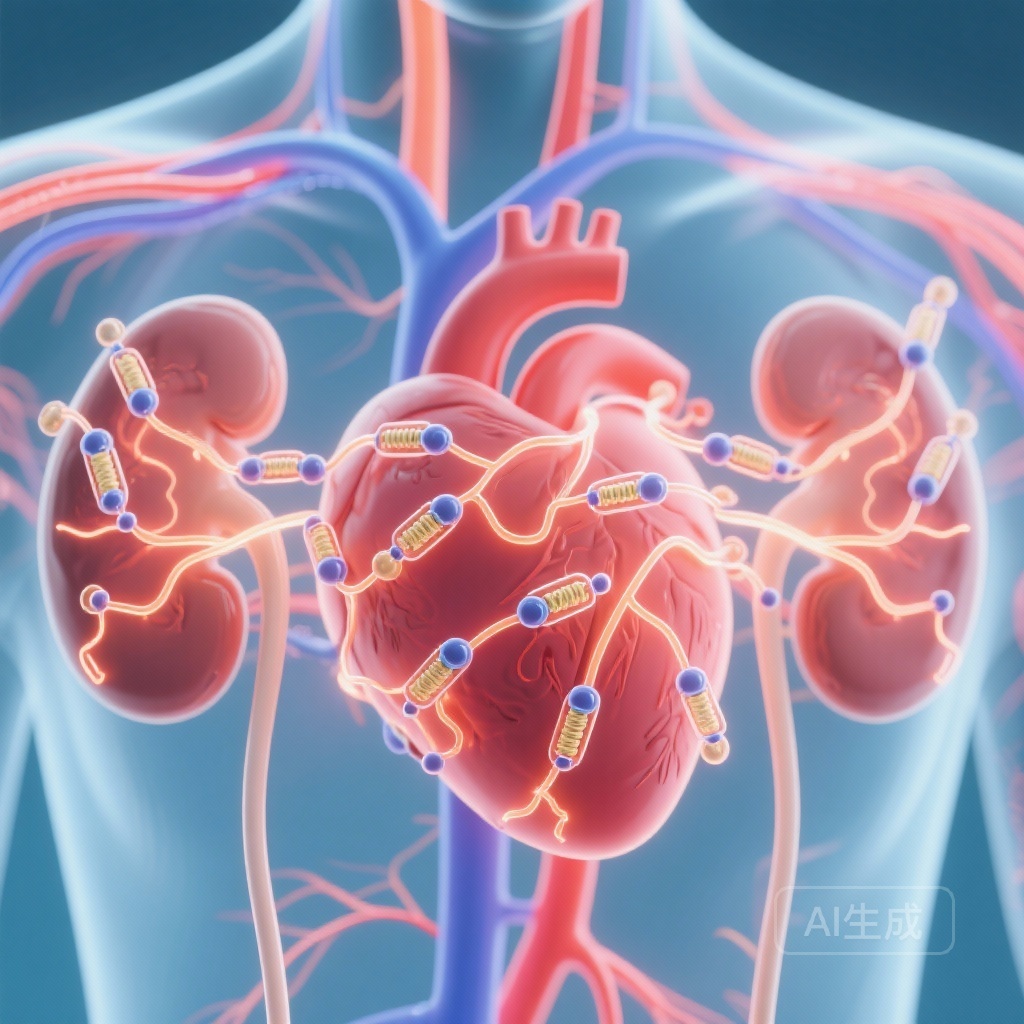
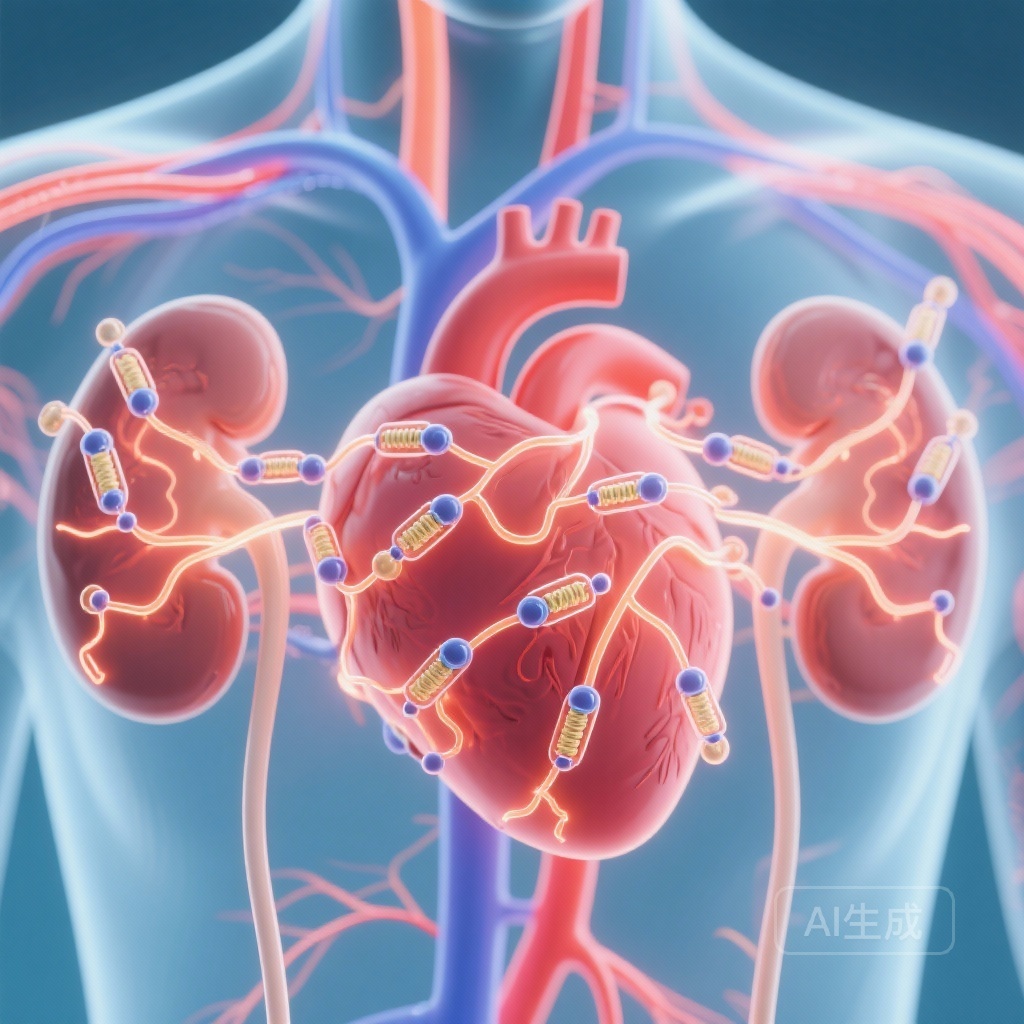
The following key findings emerged from this randomized controlled trial investigating the systemic effects of dapagliflozin in patients at cardiovascular risk: 1. Dapagliflozin significantly reduced vascular arterial stiffness, evidenced by a 7.4 percent reduction in the aortic augmentation index over 12 weeks compared to placebo. 2. The drug induced an acute and sustained reduction in extracellular fluid and thoracic fluid content, suggesting a potent and durable decongestive effect. 3. Renal hemodynamic changes, including a modest reduction in measured glomerular filtration rate (mGFR), were linked to increased proximal sodium excretion and elevated urinary adenosine levels, pointing to the activation of tubuloglomerular feedback. 4. These cardiorenal benefits were observed in patients both with and without type 2 diabetes, reinforcing the role of SGLT2 inhibitors as foundational therapy in cardiovascular risk management.
Background: Expanding the Scope of SGLT2 Inhibition
Sodium-glucose cotransporter-2 (SGLT2) inhibitors have transitioned from glucose-lowering agents to essential pillars of treatment for heart failure and chronic kidney disease. While large-scale clinical trials such as DAPA-HF and DAPA-CKD have established their efficacy in reducing hard clinical endpoints, the precise physiological mechanisms through which they exert these systemic benefits remain a subject of intense investigation. Of particular interest is whether these effects extend to individuals at cardiovascular risk who have not yet developed overt clinical disease or those without type 2 diabetes. The current study aimed to fill this gap by evaluating the impact of dapagliflozin on vascular stiffness, fluid composition, and renal hemodynamics in a diverse cohort of patients at varying levels of cardiovascular risk.
Study Methodology: A Mechanistic Deep Dive
This was a randomized, double-blind, parallel-group, placebo-controlled trial involving 51 participants. Inclusion criteria required at least one established cardiovascular condition or cardiovascular risk factor. Participants were randomized to receive either 10 mg of dapagliflozin daily or a matching placebo for 12 weeks. To isolate the hemodynamic effects from the acute glucose-lowering effects, all assessments were performed under clamped euglycemic conditions (4-6 mmol/L) at three time points: baseline, 1 week, and 12 weeks. The primary outcome was vascular arterial stiffness, quantified via the augmentation index and pulse-wave velocity. Secondary outcomes were comprehensive, including blood pressure, body fluid composition measured by bioimpedance, noninvasive cardiac output monitoring, arterial vasodilatation tests, heart rate variability, echocardiography, and iohexol-measured glomerular filtration rate (mGFR). Additionally, the study tracked markers of natriuresis and urinary adenosine to elucidate renal mechanistic pathways.
Key Findings: Beyond Glycemic Control
The results provide robust evidence of the multifaceted systemic impact of SGLT2 inhibition.
Vascular and Hemodynamic Outcomes
The primary endpoint of vascular arterial stiffness showed a significant improvement in the dapagliflozin group. After 12 weeks of treatment, the placebo-adjusted change in the aortic augmentation index was -7.4 plus or minus 2.8 percent (P=0.01). This reduction in arterial stiffness is a critical finding, as increased stiffness is a known predictor of adverse cardiovascular events and mortality. Interestingly, while the augmentation index improved, changes in pulse-wave velocity did not reach statistical significance, suggesting that the drug may primarily influence peripheral wave reflections rather than the intrinsic elastic properties of the large conduit arteries in this timeframe.
Fluid Composition and Cardiac Parameters
Dapagliflozin exerted rapid effects on fluid homeostasis. By the end of the first week, there was a significant decrease in extracellular fluid (-0.8 plus or minus 0.3 L, P=0.004). This was not a transient effect; reductions in thoracic fluid content remained sustained at 12 weeks (-3.3 plus or minus 1.5 kΩ-1, P=0.03). These changes in fluid volume were achieved without detrimental effects on noninvasive cardiac output or significant alterations in heart rate variability, indicating a favorable decongestive profile that does not trigger compensatory sympathetic overactivity.
Renal Hemodynamics and Natriuresis
Consistent with previous observations of the SGLT2 inhibitor class, dapagliflozin led to an acute reduction in mGFR (-5.8 plus or minus 2.1 mL/min per 1.73m2, P=0.008). This initial dip is widely interpreted as a sign of reduced intraglomerular pressure. Mechanistically, the study found this was accompanied by a 5.1 percent increase in proximal sodium excretion and a 4.4 percent increase in absolute fractional distal sodium reabsorption. Notably, the increase in urine adenosine (0.21 plus or minus 0.08 mmol/L per μmol Cr, P=0.01) supports the hypothesis that SGLT2 inhibitors activate tubuloglomerular feedback by increasing sodium delivery to the macula densa, thereby inducing afferent arteriolar vasoconstriction.
Expert Commentary: Mechanistic Plausibility and Clinical Utility
The findings of this trial, published in the journal Hypertension, reinforce the systemic nature of SGLT2 inhibition. The reduction in arterial stiffness and the sustainment of fluid reduction even under euglycemic conditions suggest that the benefits of dapagliflozin are largely independent of its metabolic effects on blood glucose. For clinicians, the sustained reduction in thoracic fluid is particularly relevant, as it provides a physiological basis for the drug’s efficacy in preventing heart failure hospitalizations. However, several experts note that the study population was relatively small and the duration was limited to 12 weeks. While the reduction in AIx is promising, longer-term studies are required to determine if these physiological changes translate into a lower incidence of primary cardiovascular events in lower-risk populations. The activation of the adenosine pathway further validates the ‘hemodynamic hypothesis’ of renal protection, where the initial GFR dip serves as a precursor to long-term preservation of kidney function.
Conclusion: Moving Toward Primary Prevention
In conclusion, dapagliflozin 10 mg daily induces early and significant cardiorenal changes, including reduced arterial stiffness and improved fluid balance, in individuals at cardiovascular risk regardless of their diabetes status. These results provide a strong physiological rationale for the use of SGLT2 inhibitors beyond their traditional indications. As we move forward, clinical trials in lower-risk populations and those focused on primary prevention will be essential to determine if these early hemodynamic improvements can fundamentally alter the trajectory of cardiovascular and renal disease.
Funding and Registration
This study was registered at clinicaltrials.gov with the unique identifier NCT04258371. The research was supported by investigator-initiated grants and institutional funding.
References
1. Sridhar VS, et al. Cardiovascular-Kidney Effects of Dapagliflozin in Patients at Cardiovascular Risk With or Without Type 2 Diabetes: Results of a Randomized, Double-Blind, Placebo-Controlled Trial. Hypertension. 2026 Feb;83(2):e25955. 2. Heerspink HJL, et al. Dapagliflozin in Patients with Chronic Kidney Disease. N Engl J Med. 2020;383:1436-1446. 3. McMurray JJV, et al. Dapagliflozin in Patients with Heart Failure and Reduced Ejection Fraction. N Engl J Med. 2019;381:1995-2008.