Understanding the Burden of Neuropathic Pain
Neuropathic pain is a debilitating condition affecting millions of individuals worldwide. It arises from a lesion or disease of the somatosensory nervous system, often resulting from conditions such as diabetes, shingles, chemotherapy, or physical trauma to the nerves. Patients often describe the sensation as burning, stabbing, or like an electric shock. Unlike acute pain, which serves as a warning signal for injury, neuropathic pain often persists long after the initial cause has resolved, turning into a chronic condition that severely impacts quality of life. Current pharmacological treatments, including gabapentinoids, antidepressants, and opioids, frequently fall short of providing adequate relief. Many patients experience only partial pain reduction, while others suffer from dose-limiting side effects such as sedation, cognitive impairment, and the risk of dependency. This lack of effective therapy stems from a fundamental gap in our understanding of how chronic pain is maintained at the cellular level.
The Evolution of the Neuro-Immune Axis
For decades, pain research focused almost exclusively on the neurons themselves. It was believed that the nervous system acted as a closed circuit where damaged sensors simply sent the wrong signals to the brain. However, a major paradigm shift has occurred in the last decade. Scientists now recognize the critical role of the innate immune system in shaping our pain experiences. Specifically, peripheral macrophages, which are immune cells found throughout the body, have emerged as key players. Previously thought of as simple ‘scavengers’ that clean up cellular debris after an injury, macrophages are now known to engage in sophisticated crosstalk with neurons. In cases of nerve damage, these immune cells migrate to the site of injury and release a cocktail of signaling molecules that can alter how neurons fire. The study led by Chrysostomidou and colleagues provides a groundbreaking look at this interaction using human-derived cells, proving that macrophages are not just bystanders but active amplifiers of pain.
The Power of iPSC Technology in Pain Research
One of the biggest hurdles in developing new pain medications is the ‘translational gap.’ Most pain research has historically been conducted on rodents. While these models are invaluable, the human nervous system and immune response have unique characteristics that are not always captured in animal studies. To overcome this, the research team utilized induced Pluripotent Stem Cell (iPSC) technology. This cutting-edge method involves taking adult human cells (such as skin or blood cells) and ‘reprogramming’ them back into a stem cell state. These stem cells can then be differentiated into any cell type in the human body. In this study, the researchers successfully created human iPSC-derived macrophages (iMacs) and iPSC-derived sensory neurons (iSNs). By co-culturing these two human cell types together, the researchers created a ‘humanized’ experimental model that allows for the direct observation of how human immune cells and human nerves communicate in a dish.
Key Findings: Macrophages as Signal Amplifiers
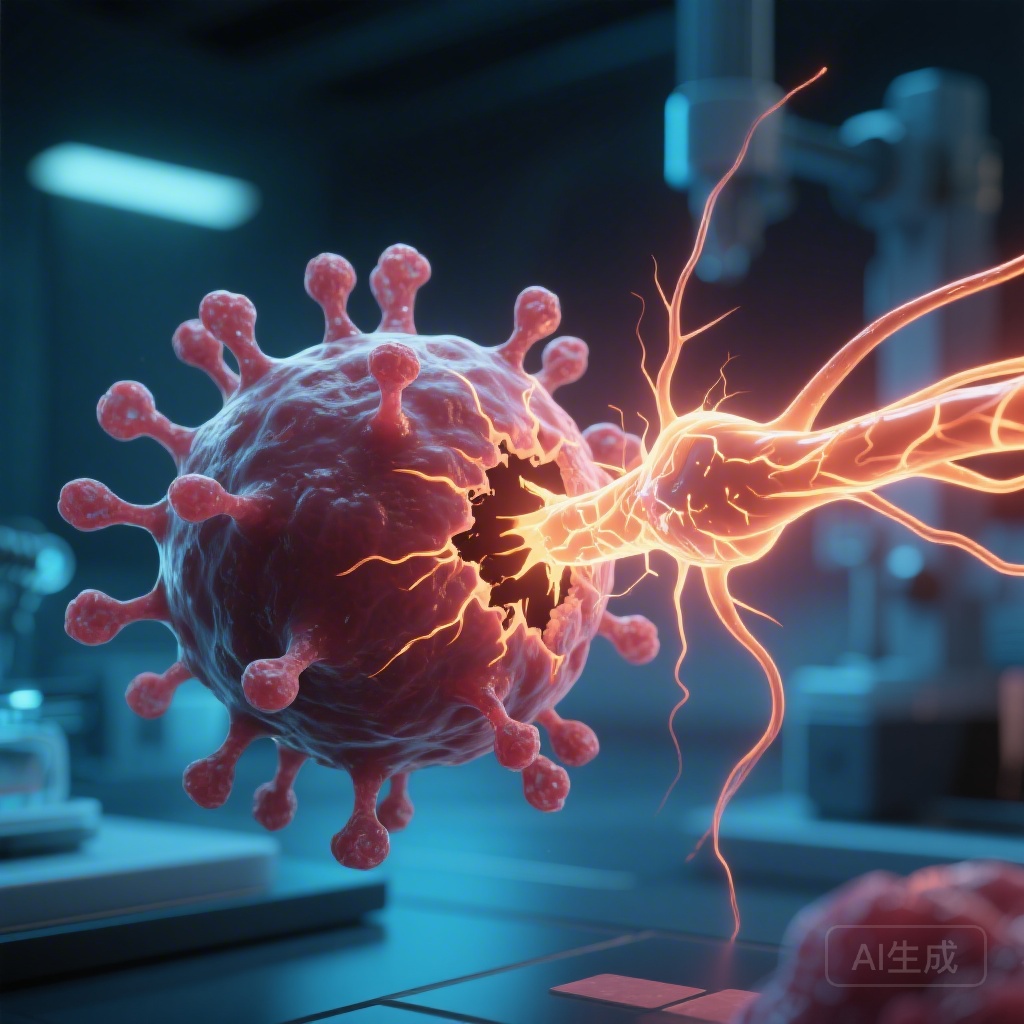
The researchers found that the behavior of macrophages is highly plastic, meaning it changes depending on the environment. When macrophages were placed in a culture with healthy neurons, they remained relatively quiet. However, when they were exposed to injured or ‘damaged’ sensory neurons, the macrophages underwent a dramatic transformation. They changed their shape, altered their gene expression, and began secreting a specific profile of pro-inflammatory cytokines and chemokines. Most importantly, the study demonstrated that these activated macrophages directly influence the electrical activity of the sensory neurons. A hallmark of neuropathic pain is ‘spontaneous firing,’ where damaged nerves fire electrical signals even in the absence of an actual painful stimulus. The research showed that the presence of these activated macrophages significantly amplified this spontaneous firing. Essentially, the macrophages were telling the damaged nerves to become even more hyperexcitable, effectively turning up the volume on the pain signals being sent to the central nervous system.
The Mechanism of Hyperexcitability
Why do damaged neurons fire spontaneously? In a healthy state, sensory neurons only fire when they encounter a stimulus like heat or pressure. Following injury, changes in the expression of sodium and potassium channels on the neuron’s surface can cause the cell membrane to become unstable. The human co-culture model revealed that the signaling molecules released by iMacs—including specific growth factors and inflammatory mediators—interact with these ion channels. This interaction lowers the threshold required for the neuron to fire an action potential. When the threshold is lowered, even minor fluctuations in the cell’s internal environment can trigger a burst of electrical activity. By identifying that macrophages are the ones driving this hyperexcitability, the study highlights a specific biological ‘switch’ that could potentially be flipped to turn off the pain.
Clinical Implications and Future Drug Development
The discovery that macrophages amplify the spontaneous activity of damaged sensory neurons has profound implications for the future of pain management. It suggests that we should stop looking only at neurons and start looking at the ‘neuro-immune synapse.’ If we can develop drugs that prevent macrophages from responding to nerve injury or block the specific signals they use to excite neurons, we might be able to treat the root cause of neuropathic pain rather than just masking the symptoms. This research paves the way for a new class of analgesics. Targeted therapies could potentially offer relief without the central nervous system side effects associated with current medications. Furthermore, the use of iPSC models allows for ‘personalized medicine’ approaches, where a patient’s own cells could be used to test which treatments might be most effective for their specific type of nerve damage.
Conclusion: A New Hope for Patients
The work of Chrysostomidou and her team represents a significant step forward in the field of neurology and pain medicine. By proving that human macrophages directly contribute to the pathogenesis of neuropathic pain through the amplification of neuronal activity, the study provides a clear roadmap for future research. While there is still a long road from the laboratory to the pharmacy, understanding the complex dialogue between the immune system and the nervous system is the key to unlocking better, safer, and more effective treatments for chronic pain. The era of targeting the ‘silent partners’ of the nervous system—the immune cells—has officially begun, offering new hope to those living with the daily burden of neuropathy.