Introduction: Redefining the ‘Gray Zone’ of Cardiogenic Shock
Cardiogenic shock (CS) remains a high-mortality condition despite advances in percutaneous interventions and mechanical circulatory support (MCS). Traditionally, clinical research focused on the most severe presentations—patients in refractory shock or those requiring escalating doses of vasopressors. However, the Society for Cardiovascular Angiography and Interventions (SCAI) introduced a classification system (Stages A through E) to standardize the spectrum of shock. Within this framework, SCAI Stage B, often termed ‘beginning’ or ‘pre-shock,’ represents a critical window for intervention. Despite its importance, the etiology and trajectories of Stage B patients have remained poorly understood. A new study by Mehta et al., published in Circulation: Heart Failure, provides a comprehensive analysis of this cohort, identifying the clinical markers that signal a transition from stability to deterioration.
Highlights of the Study
Predicting the Pivot to Stage C
The study highlights that approximately 27% of patients presenting in SCAI Stage B experience a primary composite endpoint of clinical deterioration, including transfer to a higher level of care, escalation to a higher SCAI stage, or in-hospital mortality. This suggests that ‘beginning’ shock is far from a benign state.
The Predictive Power of the Kidney
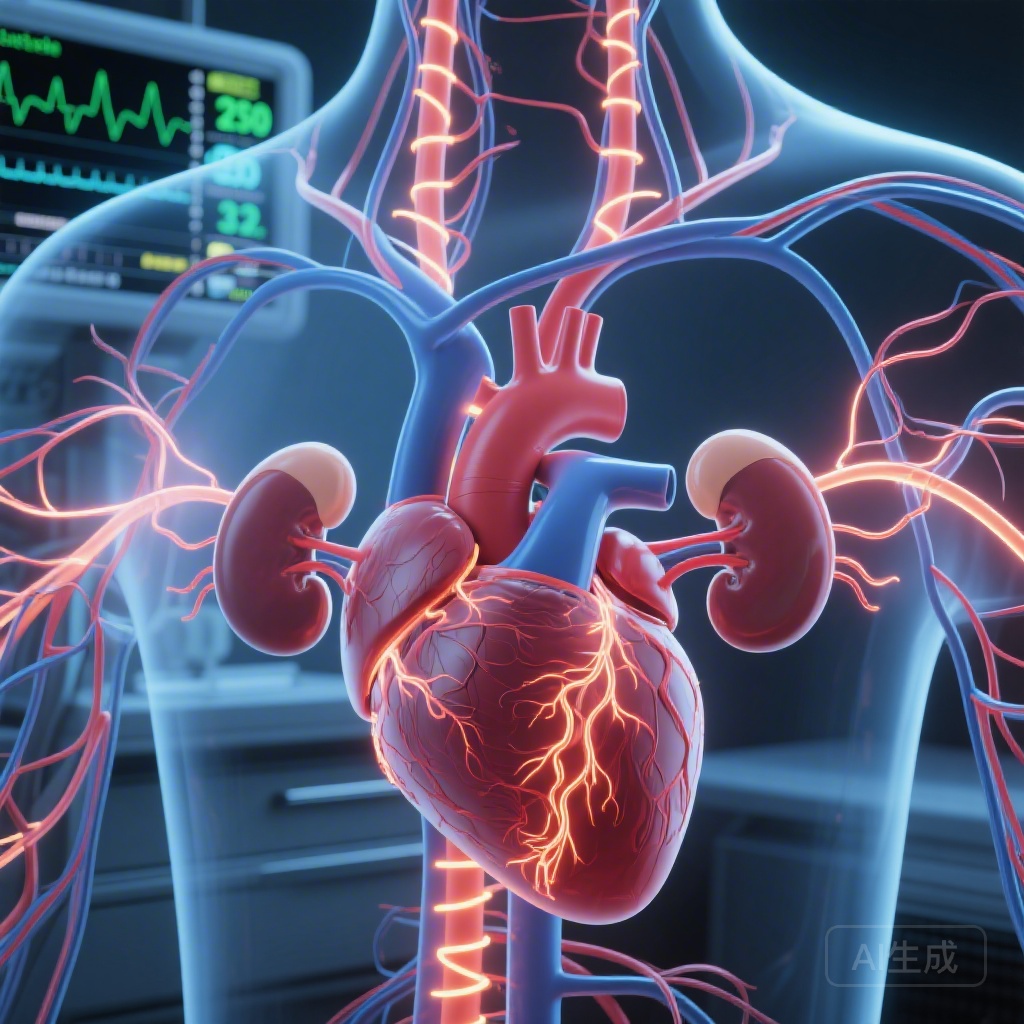
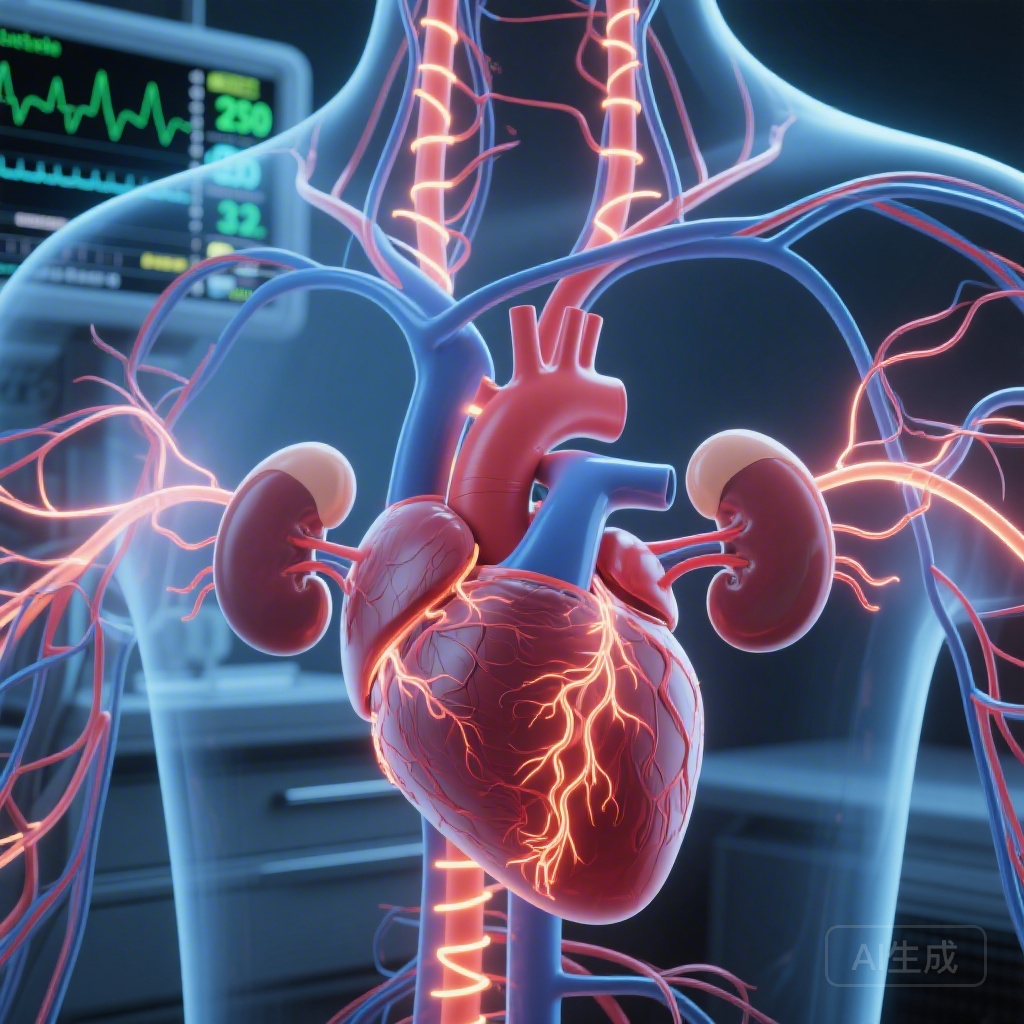
Acute kidney injury (AKI) and diuretic resistance emerged as the most potent independent predictors of clinical decline. Specifically, patients with diuretic resistance had nearly a 10-fold increase in the odds of deterioration, suggesting that fluid management and renal perfusion are central to the pathophysiology of Stage B shock.
Etiological Diversity
Contrary to the historical focus on acute myocardial infarction (AMI) as the primary driver of shock, heart failure (37%) and arrhythmias (23%) were more frequent causes of SCAI Stage B shock in this multi-hospital cohort, reflecting the evolving landscape of modern cardiovascular medicine.
Background: The Challenge of SCAI Stage B
The SCAI shock classification was designed to refine risk stratification. Stage B is defined by the presence of clinical evidence of hypotension or hypoperfusion without the classic ‘herald’ signs of Stage C (classic shock), such as the requirement for vasopressors or inotropes. However, clinicians often struggle with the heterogeneity of Stage B. Some patients remain stable or improve with minimal intervention, while others rapidly progress to Stage C or D. Identifying which patients are on a trajectory toward multi-organ failure is essential for timely triage and the initiation of hemodynamic support.
Study Design and Methodology
Researchers conducted a retrospective analysis of 500 adult patients across a 6-hospital system between 2017 and 2022. The inclusion criteria for SCAI Stage B were strictly defined: hypotension (systolic BP ≤90 mmHg or mean arterial pressure ≤65 mmHg) or hypoperfusion (lactate levels between 2 and 5 mEq/L). To ensure the study focused purely on the transition from Stage B, patients with cardiac arrest, those already on circulatory support, or those with non-cardiac etiologies for their symptoms were excluded.
The primary composite endpoint was clinical deterioration, defined as a composite of escalation in SCAI stage, transfer to a more intensive level of care, or in-hospital death. The researchers employed multivariable analysis and mixed-effects regression models to adjust for confounders and identify independent predictors of these outcomes.
Key Findings: Etiology and Outcomes
Patient Demographics and Baseline Characteristics
The study population had a median age of 76 years, was 56% male, and 79% White. Interestingly, 82% of the cohort met the definition for Stage B through hypoperfusion (elevated lactate), while only 18% presented with isolated hypotension. This underscores the subtle nature of Stage B, where a patient may maintain a ‘normal’ blood pressure while their tissues suffer from inadequate oxygen delivery.
Etiological Distribution
Heart failure (HF) was the leading cause of Stage B shock (37%), followed by arrhythmia (23%) and acute myocardial infarction (13%). Valvular heart disease and other cardiac pathologies made up the remainder. This distribution highlights that chronic heart failure patients are a significant portion of the ‘pre-shock’ population seen in modern healthcare systems.
The Deterioration Cohort
One hundred thirty-five patients (27%) met the primary composite endpoint. When comparing the deterioration cohort to those who recovered, there were no significant differences in age or sex at baseline. However, the deterioration cohort demonstrated significantly lower blood pressures and higher rates of end-organ injury in the 24 hours preceding their decline. Specifically, renal injury was present in 60% of the deterioration group compared to 33% of the recovery group, and hepatic injury was found in 15% versus 4%.
Predictors of Deterioration: The Renal-Diuretic Nexus
The most striking findings of the study involve the role of the kidneys. In the multivariable analysis, two factors stood out as independent predictors of clinical decline:
1. Acute Kidney Injury (AKI)
Adjusted Odds Ratio (aOR) 2.17 (95% CI, 1.11-4.22; P=0.02). The presence of AKI likely reflects both poor forward flow (low cardiac output) and backward congestion (elevated venous pressure), both of which are hallmarks of worsening cardiogenic shock.
2. Diuretic Resistance
Adjusted Odds Ratio (aOR) 9.55 (95% CI, 2.61-34.89; P=0.001). This was the strongest predictor in the study. Diuretic resistance—often a marker of significant venous congestion and intra-abdominal hypertension—appears to be a ‘red flag’ that the patient’s compensatory mechanisms are failing.
Furthermore, patients with isolated hypotension had worse outcomes compared to those with isolated hypoperfusion, suggesting that the inability to maintain perfusion pressure, even with normal lactate, carries a high risk of imminent collapse.
Expert Commentary: Mechanistic Insights and Clinical Utility
The high predictive value of diuretic resistance in this study provides a crucial mechanistic insight into Stage B shock. In many cases, Stage B is not just a state of low flow, but a state of significant congestion. Diuretic resistance suggests that the kidneys are unable to respond to standard therapy, likely due to a combination of reduced renal perfusion pressure and elevated central venous pressure (CVP). This ‘cardiorenal crosstalk’ is a dangerous feedback loop: as the heart fails, the kidneys retain sodium and water, increasing congestion, which further impairs cardiac function and renal perfusion.
Clinicians should view the failure of a patient to respond to diuretics in the setting of Stage B shock as a signal to reconsider the hemodynamic strategy. This may involve earlier invasive hemodynamic monitoring (e.g., pulmonary artery catheterization) to differentiate between a ‘cold and dry’ phenotype versus a ‘cold and wet’ phenotype, and potentially earlier initiation of inotropic support or mechanical circulatory support before the patient reaches Stage C.
Study Limitations
While the study is robust, it is limited by its retrospective nature and the inherent variability in how ‘hypoperfusion’ and ‘hypotension’ are managed across different hospital settings. Additionally, the definition of diuretic resistance can vary, although its strong association with outcomes in this study makes it a clinically useful, albeit simple, marker.
Conclusion: A Call for Vigilance in Stage B
The study by Mehta et al. clarifies the high-stakes nature of SCAI Stage B cardiogenic shock. With one in four patients deteriorating, the ‘beginning’ stage of shock is a critical period for active surveillance. The identification of acute kidney injury and, most importantly, diuretic resistance as independent predictors of decline provides clinicians with actionable markers to identify high-risk patients. Moving forward, clinical trials should focus on whether aggressive intervention in Stage B patients with these risk factors can prevent the transition to full-blown cardiogenic shock and improve overall survival.
References
1. Mehta C, Has P, Mehta A, et al. Etiology, Management, and Outcomes of Society for Cardiovascular Angiography and Interventions Stage B Cardiogenic Shock. Circ Heart Fail. 2026;19:e013814. doi:10.1161/CIRCHEARTFAILURE.125.013814.
2. Baran DA, Grines CL, Bailey S, et al. SCAI clinical expert consensus statement on the classification of cardiogenic shock. Catheter Cardiovasc Interv. 2019;94(1):29-37. doi:10.1002/ccd.28329.
3. Naidu SS, Baran DA, Jentzer JC, et al. SCAI SHOCK Stage Classification Expert Consensus Update: A Review and Incorporation of Validation Studies. JSCAI. 2022;1(1):100008. doi:10.1016/j.jscai.2021.100008.