Introduction: The Paradigm Shift in Aortic Stenosis Management
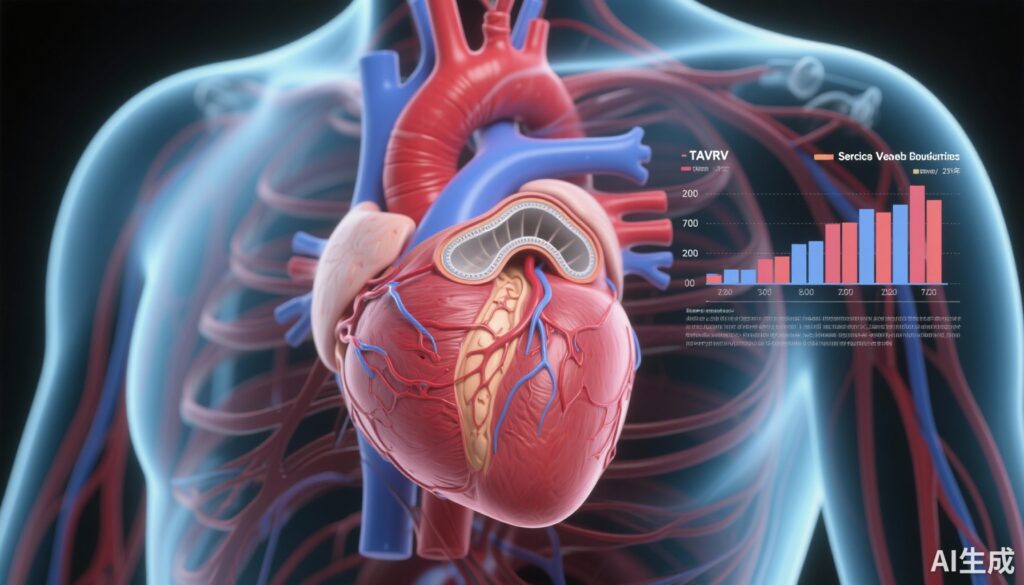
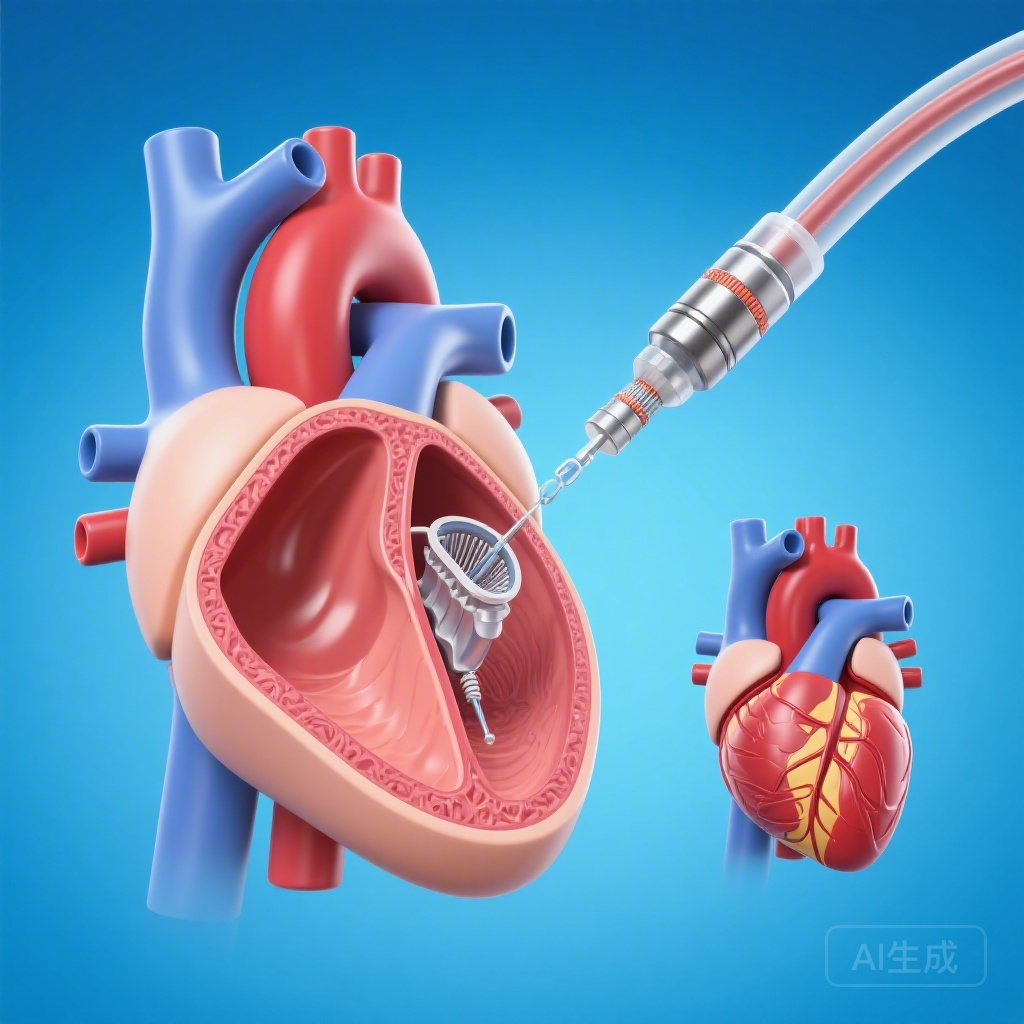
The treatment of severe, symptomatic aortic stenosis has undergone a seismic shift over the last two decades. What began as a salvage procedure for inoperable patients has rapidly expanded into the standard of care for high-risk and intermediate-risk populations. However, the application of transcatheter aortic-valve replacement (TAVR) in low-risk patients—those who are younger and have fewer comorbidities—remained the subject of intense scrutiny, primarily due to concerns regarding long-term valve durability and the comparative risk of late clinical events. The PARTNER 3 trial was designed to address these concerns. Initial results at one year showed TAVR to be superior to surgery, and the five-year follow-up indicated continued parity. Now, with the release of the seven-year data in the New England Journal of Medicine, clinicians have a more robust window into the long-term performance of the SAPIEN 3 transcatheter valve compared to traditional surgical aortic-valve replacement (SAVR).
Highlights of the 7-Year Follow-up
The seven-year results provide several critical insights for the cardiovascular community: first, there was no significant difference in the primary composite endpoint of death, stroke, or rehospitalization between TAVR and surgery. Second, the hemodynamic performance and the rates of bioprosthetic valve failure were remarkably similar between the two groups. Third, patient-reported quality-of-life outcomes remained stable and comparable through the seven-year mark. These findings suggest that for low-risk patients, TAVR is not merely a short-term alternative but a durable solution that holds up against the gold standard of surgery over the medium-to-long term.
Trial Design and Methodological Rigor
The PARTNER 3 trial (Placement of Aortic Transcatheter Valves 3) was a multicenter, randomized trial that enrolled 1000 patients with severe, symptomatic aortic stenosis who were at low surgical risk, defined by a Society of Thoracic Surgeons (STS) Predicted Risk of Mortality score of less than 4%. Patients were randomly assigned in a 1:1 ratio to undergo either TAVR with the balloon-expandable SAPIEN 3 valve or SAVR with a commercially available bioprosthesis. The trial utilized two primary endpoints to capture a comprehensive view of patient outcomes. The first primary endpoint was a nonhierarchical composite of death from any cause, stroke, or rehospitalization related to the procedure, the valve, or heart failure. The second primary endpoint employed a hierarchical win ratio analysis, which prioritized more severe events (death, followed by disabling stroke, then nondisabling stroke, and finally the number of rehospitalization days). This dual-endpoint approach allowed researchers to assess both the incidence of events and the clinical severity of those events over time.
A Deep Dive into the 7-Year Clinical Outcomes
At the seven-year mark, the Kaplan-Meier estimate for the first primary composite endpoint was 34.6% in the TAVR group and 37.2% in the surgery group. The difference of -2.6 percentage points (95% CI, -9.0 to 3.7) was not statistically significant, confirming that TAVR maintains its clinical standing relative to surgery as patients age. When examining the individual components of the composite endpoint, the data showed a slight numerical increase in mortality in the TAVR group (19.5%) compared to the surgery group (16.8%), though this did not reach statistical significance. Conversely, rehospitalization rates were slightly lower in the TAVR group (20.6% vs. 23.5%). Stroke rates were nearly identical, at 8.5% for TAVR and 8.1% for surgery. The win ratio for the second primary endpoint was 1.04 (95% CI, 0.84 to 1.30), further reinforcing the equivalence of the two strategies in this low-risk cohort.
Hemodynamic Performance and Valve Durability
One of the primary arguments in favor of surgery for younger, low-risk patients has been the perceived superior durability of surgical bioprostheses. However, the PARTNER 3 seven-year data challenge this assumption. The mean aortic-valve gradients remained low and stable in both groups: 13.1±8.5 mm Hg for TAVR and 12.1±6.3 mm Hg for surgery. Perhaps most importantly, the incidence of bioprosthetic valve failure (BVF)—a composite of valve-related death, reintervention, or severe hemodynamic dysfunction—was 6.9% in the TAVR group and 7.5% in the surgery group. These results indicate that the SAPIEN 3 transcatheter valve does not exhibit premature degradation compared to surgical valves within this seven-year timeframe. The stability of the effective orifice area (EOA) and the low rates of significant paravalvular leak in the TAVR group also contributed to these favorable durability metrics.
Expert Commentary: Interpreting the Data for Clinical Practice
The seven-year results of PARTNER 3 are a landmark in interventional cardiology, yet they require nuanced interpretation. While the results show parity, clinicians must still consider individual patient factors such as coronary artery access, bicuspid anatomy (which was excluded from this trial), and the potential need for future valve-in-valve procedures. Some experts point out that while the composite endpoint is neutral, the trend in mortality requires continued monitoring as the trial moves toward its ten-year completion. However, the primary takeaway for health policy experts and clinicians is that TAVR provides a less invasive option with a faster recovery time without compromising seven-year clinical safety or valve integrity. The parity in stroke rates is particularly reassuring, as early concerns about subclinical leaflet thrombosis in TAVR valves have not translated into an increased long-term stroke risk in this study.
Conclusion: The Future of Low-Risk TAVR
The PARTNER 3 trial at seven years provides the most robust evidence to date that TAVR is a safe and effective alternative to surgery for low-risk patients with aortic stenosis. The lack of significant differences in death, stroke, and valve failure suggests that the choice between TAVR and SAVR should be a shared decision-making process, weighing the immediate benefits of a less invasive procedure against the long-term clinical profile of each patient. As we look toward the ten-year data, the cardiovascular community can be cautiously optimistic that the TAVR revolution has successfully reached the low-risk population, offering a durable and reliable therapy for a broader range of patients than ever before.
Funding and ClinicalTrials.gov
This study was funded by Edwards Lifesciences. The PARTNER 3 trial is registered at ClinicalTrials.gov under the number NCT02675114.
References
Leon MB, Mack MJ, Pibarot P, et al. Transcatheter or Surgical Aortic-Valve Replacement in Low-Risk Patients at 7 Years. N Engl J Med. 2026 Feb 19;394(8):773-783. doi: 10.1056/NEJMoa2509766. Epub 2025 Oct 27. PMID: 41144631.