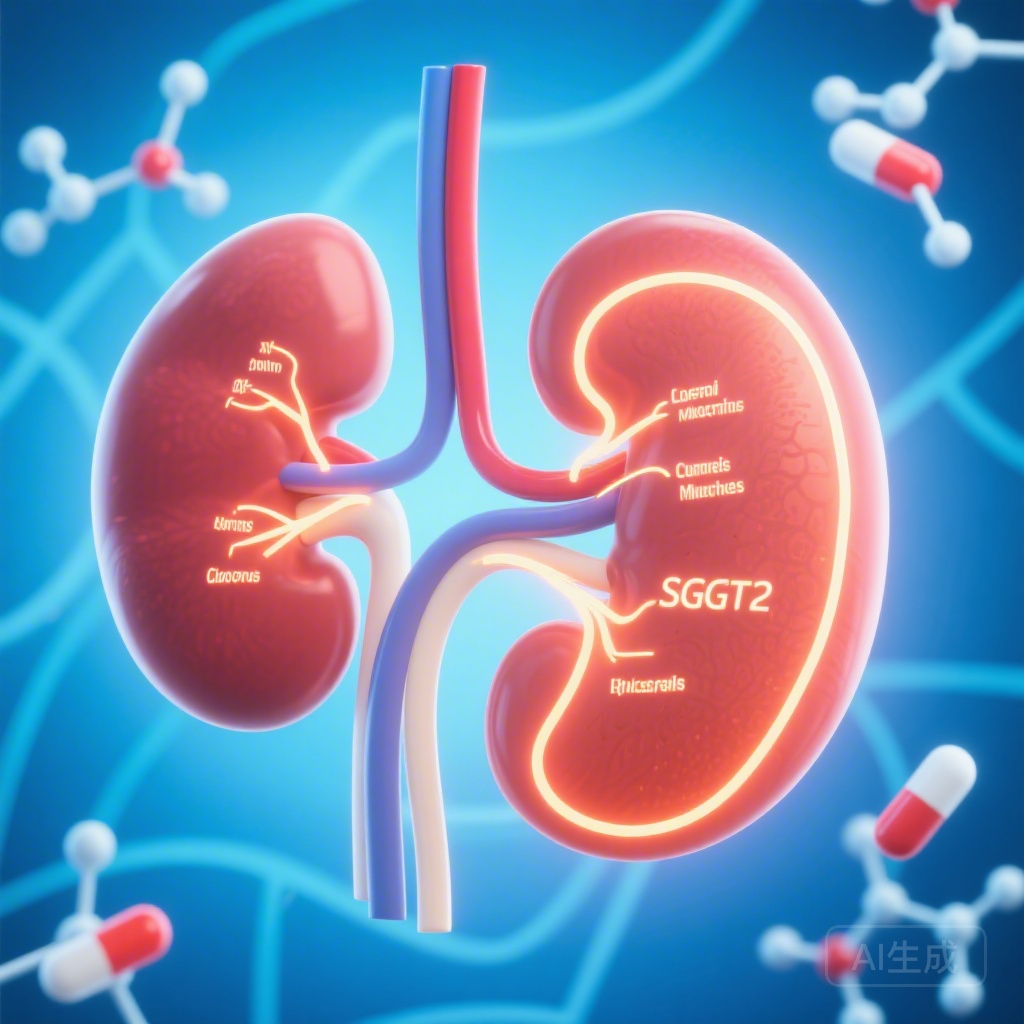
Precision Diabetology Validated: Algorithm for SGLT2i and DPP4i Selection Performs Accurately Across Major UK Ethnicity Groups

A retrospective cohort study validates an algorithm for choosing between SGLT2 and DPP4 inhibitors across diverse UK ethnicity groups, confirming its accuracy for precision medicine while highlighting the necessity of minor recalibration to optimize performance in different populations.
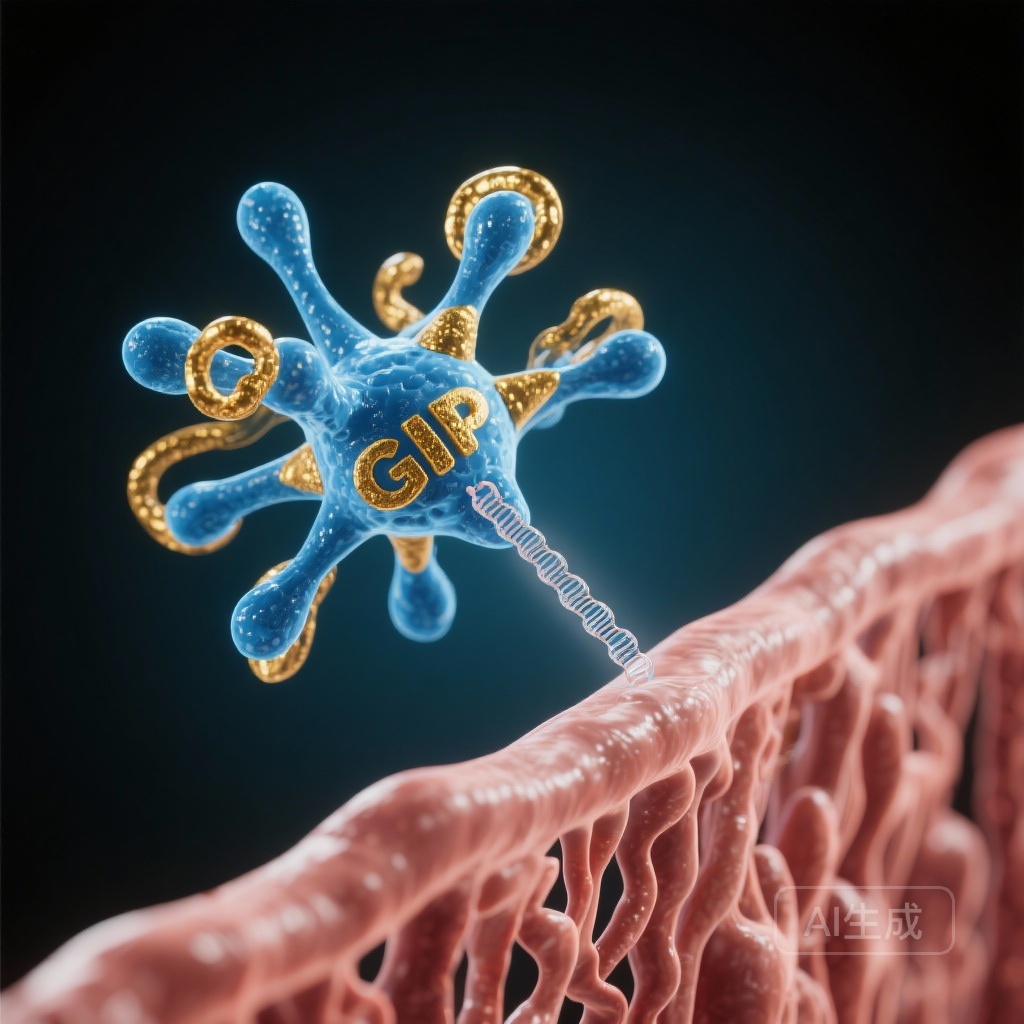
Tirzepatide Achieves Cardiovascular Noninferiority Against Dulaglutide: A Milestone in Dual Incretin Therapy

Tirzepatide Achieves Cardiovascular Noninferiority Against Dulaglutide: A Milestone in Dual Incretin Therapy

The SURPASS-CVOT trial confirms that tirzepatide is noninferior to dulaglutide for cardiovascular safety in high-risk type 2 diabetes patients. While superiority was not statistically reached, the study solidifies the cardiovascular profile of dual GIP/GLP-1 agonism compared to established standards of care.
Planetary Health Diet and Cardiometabolic Risk Reduction in Women with Gestational Diabetes: An Evidence-Based Review

Planetary Health Diet and Cardiometabolic Risk Reduction in Women with Gestational Diabetes: An Evidence-Based Review

This review synthesizes evidence linking adherence to the Planetary Health Diet with reduced risks of myocardial infarction, type 2 diabetes, and improved weight management in women post-gestational diabetes, highlighting BMI's mediating role.
Early-Life Famine Exposure in Chinese Immigrants Strongly Linked to Later Diabetes and Hypertension — But Not Cardiovascular Hospitalization

Early-Life Famine Exposure in Chinese Immigrants Strongly Linked to Later Diabetes and Hypertension — But Not Cardiovascular Hospitalization

A large Ontario cohort study links early-life exposure to the Great Chinese Famine with higher adult risks of type 2 diabetes and hypertension among Chinese immigrants, while cardiovascular hospitalization was not increased; methodological caveats underline need for age-balanced research.
Underweight in Type 2 Diabetes Raises Cardiovascular Risk — Severe Leanness Carries Greater Risk Than Obesity

Underweight in Type 2 Diabetes Raises Cardiovascular Risk — Severe Leanness Carries Greater Risk Than Obesity

A nationwide Korean cohort found that underweight patients with Type 2 diabetes—especially those with severe underweight—have higher cardiovascular risk than normal-weight and even some obese patients, underscoring the need to screen and manage malnutrition, sarcopenia, and frailty in diabetes care.
SGLT2 Inhibitors Linked to Lower Fibrosis Progression than DPP‑4 Inhibitors in MASLD with T2DM: Target‑Trial Emulation of Real‑World Cohorts

SGLT2 Inhibitors Linked to Lower Fibrosis Progression than DPP‑4 Inhibitors in MASLD with T2DM: Target‑Trial Emulation of Real‑World Cohorts

A multicenter target‑trial emulation found SGLT2 inhibitor initiation was associated with a 22% lower risk of progression to advanced fibrosis (confirmed FIB‑4 >2.67) versus DPP‑4 inhibitors in adults with MASLD and T2DM and low‑to‑intermediate baseline fibrosis.
GLP‑1 Receptor Agonists Provide Greatest MACE Reduction in Type 2 Diabetes — Evidence from a Large US Comparative-Effectiveness Study

GLP‑1 Receptor Agonists Provide Greatest MACE Reduction in Type 2 Diabetes — Evidence from a Large US Comparative-Effectiveness Study

In a 241,981-patient emulated trial using modern causal methods, sustained GLP‑1RA use yielded the lowest 2.5‑year MACE risk, followed by SGLT2is, sulfonylureas, and DPP4is; the GLP‑1RA advantage over SGLT2is was greatest in older adults and those with ASCVD, HF, or kidney impairment.
Baseline SGLT2 Inhibitor Use Associated with Lower Risk of Sepsis-Induced Cardiomyopathy and Improved Outcomes in Type 2 Diabetes: Insights from a Large Propensity-Matched Cohort

Baseline SGLT2 Inhibitor Use Associated with Lower Risk of Sepsis-Induced Cardiomyopathy and Improved Outcomes in Type 2 Diabetes: Insights from a Large Propensity-Matched Cohort

A large propensity-matched cohort study found that baseline SGLT2 inhibitor use versus DPP4 inhibitor therapy in adults with type 2 diabetes and infection was associated with lower 30-day sepsis-induced cardiomyopathy and improved 1-year mortality and cardiovascular outcomes; residual confounding and safety considerations warrant prospective trials.
SGLT2 Inhibitors Linked to Lower Parkinson’s Disease Risk Than Metformin in Type 2 Diabetes: Large Real‑World TriNetX Study Signals Class Neuroprotection

SGLT2 Inhibitors Linked to Lower Parkinson’s Disease Risk Than Metformin in Type 2 Diabetes: Large Real‑World TriNetX Study Signals Class Neuroprotection

A 20‑year TriNetX analysis of 913,428 T2DM patients found SGLT2 inhibitor use associated with a 28% lower Parkinson’s disease risk versus metformin (aHR 0.72), suggesting possible superior neuroprotection and prompting need for prospective confirmation.
SGLT-2 Inhibitors and Autoimmune Rheumatic Disease Risk Reduction in Type 2 Diabetes: Insights from a Korean Nationwide Cohort

SGLT-2 Inhibitors and Autoimmune Rheumatic Disease Risk Reduction in Type 2 Diabetes: Insights from a Korean Nationwide Cohort

A large South Korean cohort study suggests that sodium-glucose cotransporter-2 (SGLT-2) inhibitors reduce the incidence of autoimmune rheumatic diseases by 11% compared to sulfonylureas in adults with type 2 diabetes, indicating potential immunomodulatory benefits of SGLT-2 inhibitors beyond glycemic control.