Adding Ipilimumab to Brentuximab Vedotin Plus Nivolumab Did Not Improve Complete Response, but May Prolong Disease Control Without Transplant in Relapsed Hodgkin Lymphoma

Adding Ipilimumab to Brentuximab Vedotin Plus Nivolumab Did Not Improve Complete Response, but May Prolong Disease Control Without Transplant in Relapsed Hodgkin Lymphoma

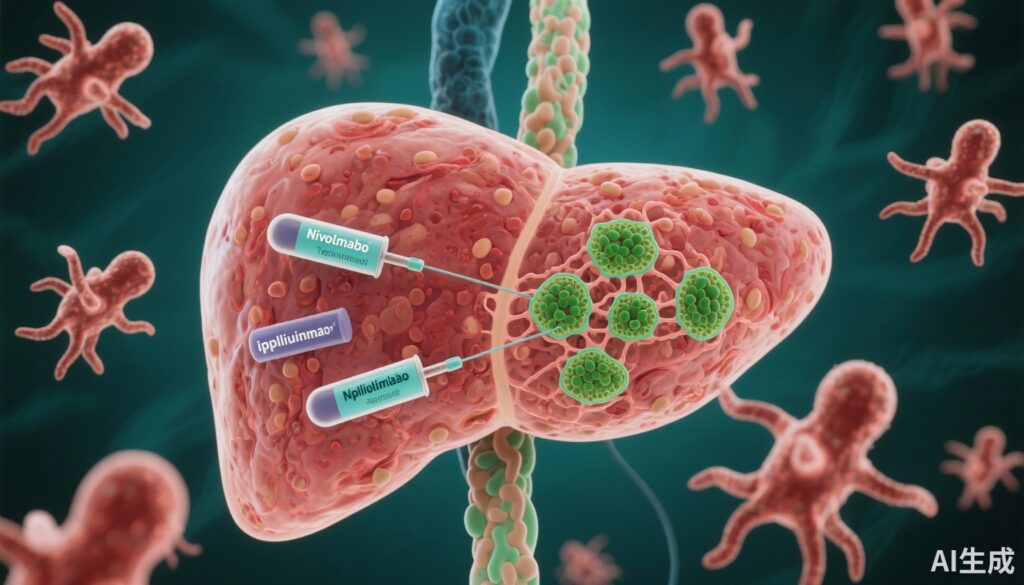
In randomized phase 2 E4412, BV/ipilimumab/nivolumab did not significantly improve complete response or overall PFS versus BV/nivolumab, but showed a notable signal for longer disease control among patients who did not undergo stem cell transplantation.
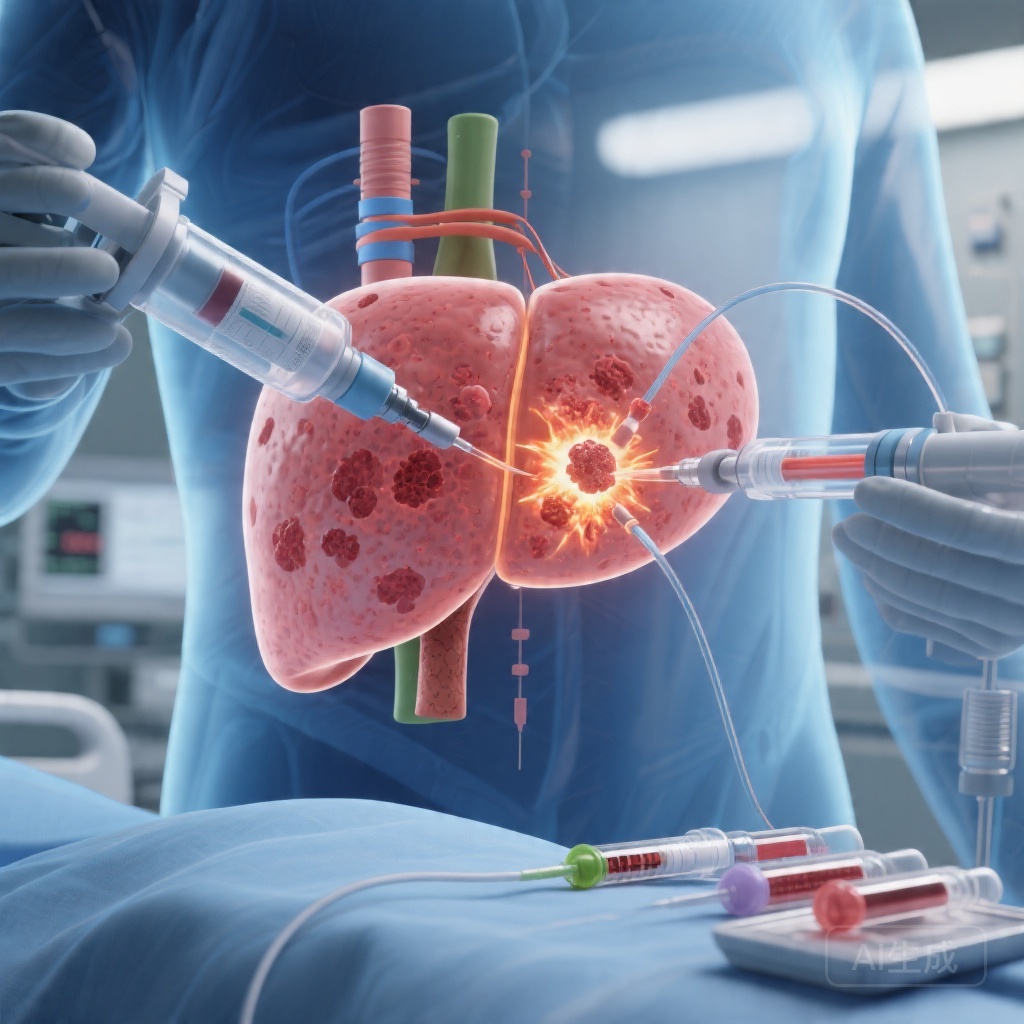
Perioperative Nivolumab Combined with Irreversible Electroporation Shows Antitumoral Effect in High-Risk BCLC A Hepatocellular Carcinoma: Results from the NIVOLEP Phase 2 Trial

Perioperative Nivolumab Combined with Irreversible Electroporation Shows Antitumoral Effect in High-Risk BCLC A Hepatocellular Carcinoma: Results from the NIVOLEP Phase 2 Trial

The NIVOLEP phase 2 trial demonstrates that perioperative nivolumab (neoadjuvant and adjuvant) combined with irreversible electroporation achieves 70.6% one-year local recurrence-free survival in BCLC A HCC patients with high recurrence risk. Pathological response correlated with immune activation pathways, suggesting synergistic effects between immunotherapy and ablation.
Neoadjuvant Nivolumab With or Without Low‑Dose Ipilimumab Produces High Pathologic Response and Organ Preservation in Resectable Cutaneous Squamous Cell Carcinoma: Results from the MATISSE Phase 2 Trial

Neoadjuvant Nivolumab With or Without Low‑Dose Ipilimumab Produces High Pathologic Response and Organ Preservation in Resectable Cutaneous Squamous Cell Carcinoma: Results from the MATISSE Phase 2 Trial

The randomized MATISSE trial shows neoadjuvant nivolumab ± low‑dose ipilimumab yields high major/partial pathological response rates, excellent 2‑year disease‑specific survival, and enables organ preservation in many patients with resectable cutaneous squamous cell carcinoma.