Skip to content
medxy logo Medxy AI
  • Specialties
    • Allergy & Immunology
    • Anesthesiology
    • Cardiology
    • Critical Care
    • Dermatology
    • Diabetes & Endocrinology
    • Emergency Medicine
    • Family Medicine & Nutrition
    • Gastroenterology
    • General Surgery
    • Hematology-Oncology
    • HIV/AIDS
    • Infectious Diseases
    • Internal Medicine
    • Nephrology
    • Neurology
    • Nursing & care
    • OB/GYN & Women’s Health
    • Oncology
    • Ophthalmology
    • Orthopedics
    • Otorhinolaryngology
    • Pathology & Lab Medicine
    • Pediatrics
    • Plastic Surgery
    • Psychiatry
    • Public Health
    • Radiology
    • Respiratory
    • Rheumatology
    • Urology
  • Clinical Updates
  • Medical News
  • iDoctor
  • Specialties
    • Allergy & Immunology
    • Anesthesiology
    • Cardiology
    • Critical Care
    • Dermatology
    • Diabetes & Endocrinology
    • Emergency Medicine
    • Family Medicine & Nutrition
    • Gastroenterology
    • General Surgery
    • Hematology-Oncology
    • HIV/AIDS
    • Infectious Diseases
    • Internal Medicine
    • Nephrology
    • Neurology
    • Nursing & care
    • OB/GYN & Women’s Health
    • Oncology
    • Ophthalmology
    • Orthopedics
    • Otorhinolaryngology
    • Pathology & Lab Medicine
    • Pediatrics
    • Plastic Surgery
    • Psychiatry
    • Public Health
    • Radiology
    • Respiratory
    • Rheumatology
    • Urology
  • Clinical Updates
  • Medical News
  • iDoctor
  • facebook.com
  • twitter.com
  • t.me
  • instagram.com
  • youtube.com
Subscribe

腦小血管病

  • Home
  • 腦小血管病
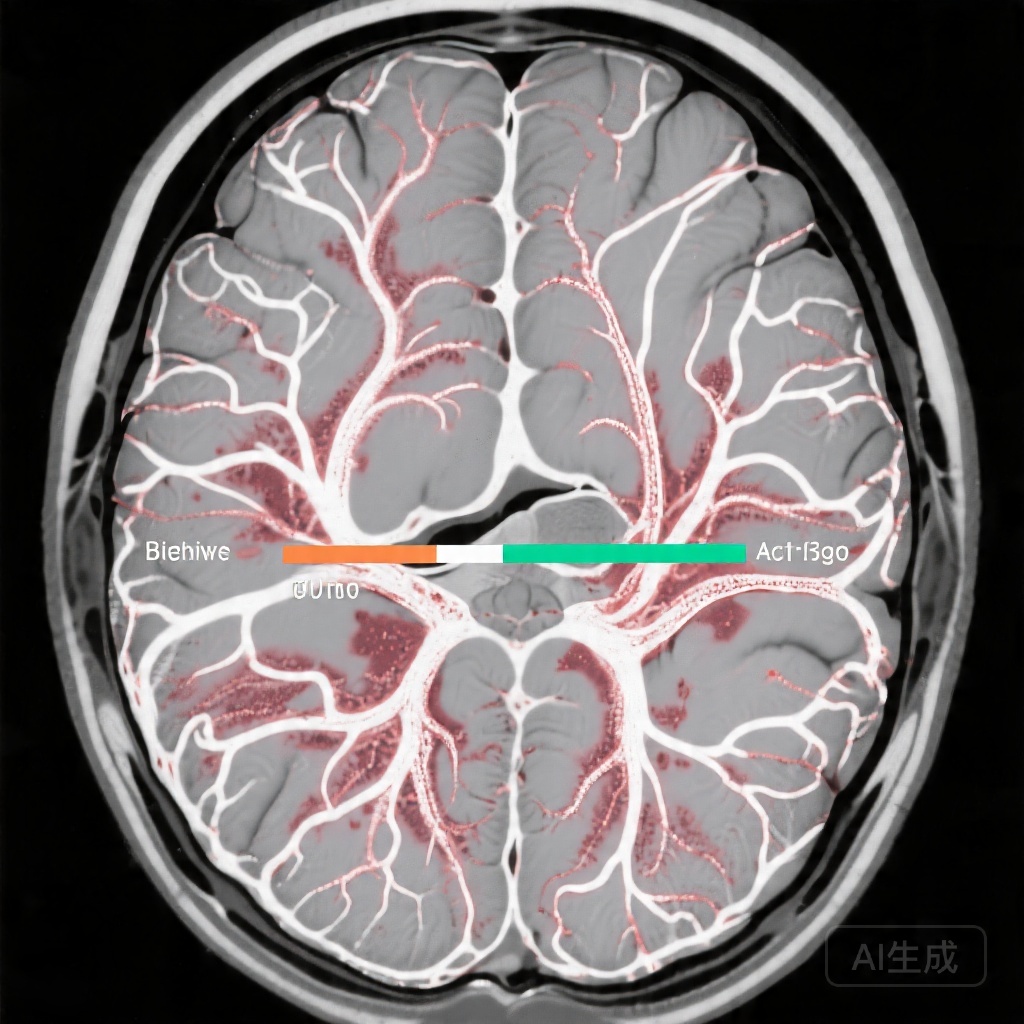
Wider Cranial Arteries, Not Atherosclerotic Stenosis, Track With Lacunar Stroke and Cerebral Small-Vessel Disease

Posted inNeurology news Radiology

Wider Cranial Arteries, Not Atherosclerotic Stenosis, Track With Lacunar Stroke and Cerebral Small-Vessel Disease

Posted by MedXY By MedXY 05/06/2026
In a prospective mild stroke cohort, cranial arterial dolichoectasia and larger intracranial arterial diameters were linked to lacunar stroke, cSVD burden, and incident infarcts, whereas large-artery stenosis was not.
Read More
Biological Age Outpaces Chronological Age in Predicting Cerebral Small Vessel Disease Progression
Posted inCardiology Neurology news

Biological Age Outpaces Chronological Age in Predicting Cerebral Small Vessel Disease Progression

Posted by MedXY By MedXY 04/14/2026
This longitudinal cohort study reveals that biomarker-based biological age, particularly KDMAge and PhenoAge residuals, significantly predicts progression of cerebral small vessel disease, including new lacunes and microbleeds, offering potential for early risk identification.
Read More
  • Tirzepatide vs dulaglutide: kidney outcomes in type 2 diabetes from SURPASS-CVOT
  • Cardiomyopathy Gene Therapy Reaches an Inflection Point: From AAV Delivery to Precision Genome Editing
  • Tricuspid Valve Replacement Outcomes by Baseline Tricuspid Regurgitation Severity: TRISCEND II Trial
  • Why the cTnI/cTnT Ratio May Matter: A New Signal for Distinguishing Acute Necrotic From Chronic Myocardial Injury
  • Sacubitril/Valsartan Improved Exercise Pulmonary Hemodynamics and Dynamic Atrial Functional Mitral Regurgitation in HFpEF: Interpreting the PRAISE-MR Randomized Trial
  • About us
  • Contact us
  • MedXY story
  • Privacy Policy
  • Subscribe Now!
  • 账号

  • English
  • 日本語
  • Tiếng Việt
  • 中文

Alzheimer's disease artificial intelligence atrial fibrillation biomarkers breast cancer Cardiology cardiovascular disease cardiovascular risk chronic kidney disease clinical trial clinical trials critical care depression diabetes epidemiology health heart failure Hypertension immunotherapy inflammation MASLD mental health metformin Mortality multiple myeloma myocardial infarction nutrition obesity older adults oncology Pediatrics precision medicine Pregnancy prevention prostate cancer public health randomized clinical trial randomized trial SGLT2 inhibitors stroke targeted therapy type 1 diabetes type 2 diabetes weight loss women's health

Your health, we care

Copyright 2026 — Medxy AI. All rights reserved.
Scroll to Top
Sign in