Why Women Show Higher Amyloid Burden: New Evidence on Sex, Race, and APOE ε4 Interactions in Alzheimer’s Pathology

Why Women Show Higher Amyloid Burden: New Evidence on Sex, Race, and APOE ε4 Interactions in Alzheimer’s Pathology

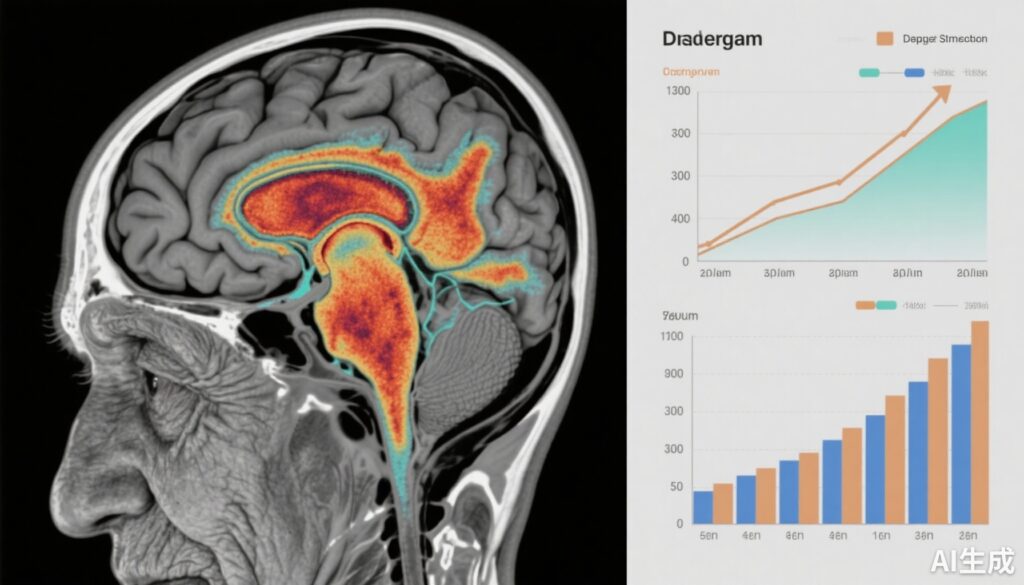
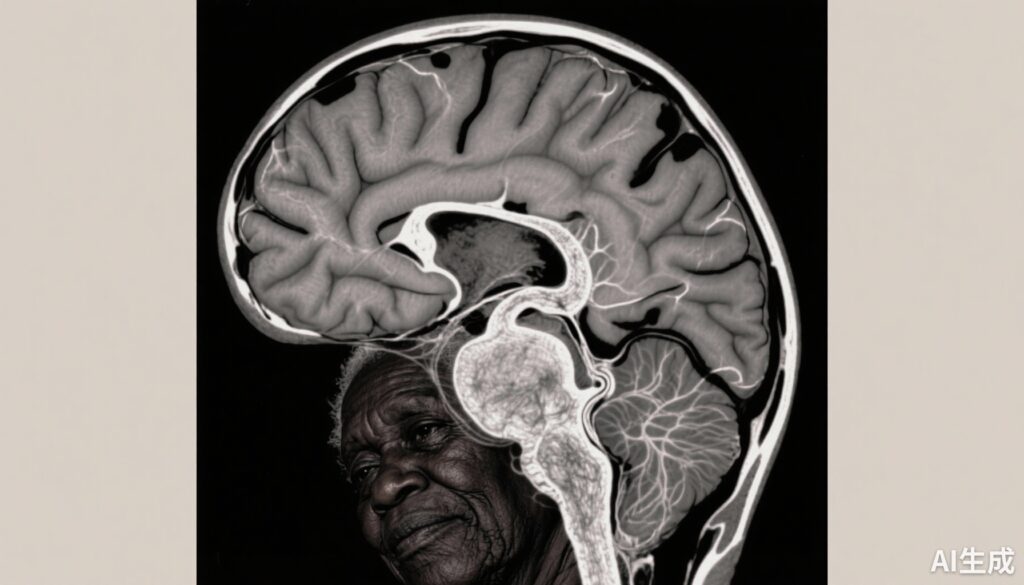
A Brazilian autopsy study of 2,268 individuals reveals that female sex, APOE ε4 status, and African ancestry jointly influence amyloid pathology. Women showed 65% higher adjusted odds of neuritic plaques, and protective effects against amyloid in Black individuals were attenuated by APOE ε4 carriage, highlighting critical disparities in Alzheimer's disease pathogenesis.

APOE ε4, Age and Sex Converge to Disturb Anterior Olfactory Nucleus Physiology: Electrophysiologic Evidence for Early Alzheimer’s Vulnerability

APOE ε4, Age and Sex Converge to Disturb Anterior Olfactory Nucleus Physiology: Electrophysiologic Evidence for Early Alzheimer’s Vulnerability

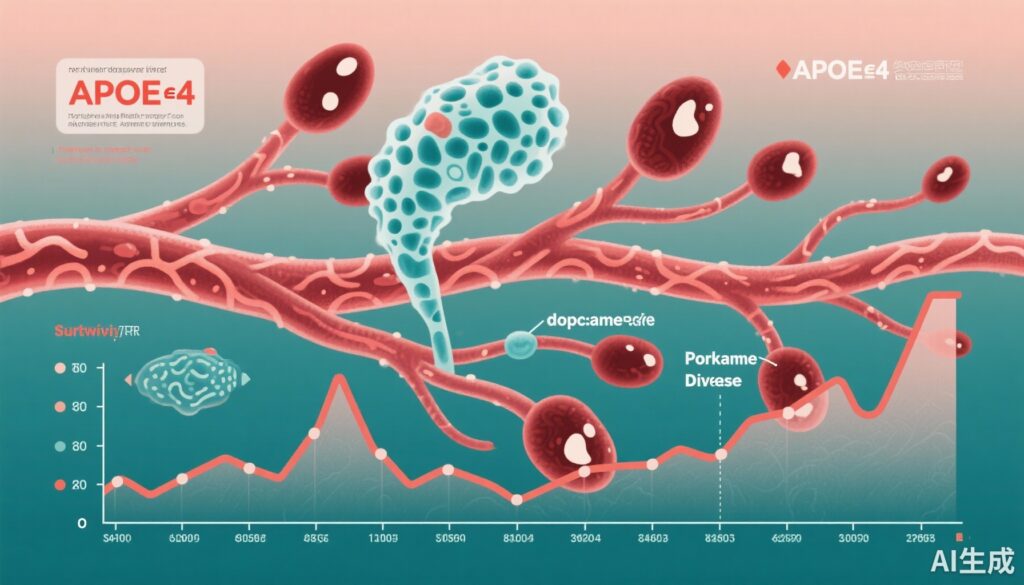
In vivo awake recordings in transgenic mice show APOE ε4 reduces neuronal excitability in the anterior olfactory nucleus (AON); adult females are more excitable than males (a sex difference lost with aging), while aging amplifies network oscillatory power — revealing interactions that may underlie early olfactory deficits in Alzheimer’s disease.
Walking and Dietary Interventions Offer Cognitive Protection in APOE ε4 Carriers: New Evidence from Longitudinal and Multinational Trials

Walking and Dietary Interventions Offer Cognitive Protection in APOE ε4 Carriers: New Evidence from Longitudinal and Multinational Trials

Regular walking and lifestyle interventions slow cognitive decline, especially in APOE ε4 carriers at heightened Alzheimer’s risk, with effects pronounced in women. Evidence underscores the value of simple activity and healthy diet for at-risk older adults.