Redefining Severity in Tricuspid Regurgitation: Why CMR-Derived Regurgitant Fraction and Liver Mapping Are the New Prognostic Gold Standards

Redefining Severity in Tricuspid Regurgitation: Why CMR-Derived Regurgitant Fraction and Liver Mapping Are the New Prognostic Gold Standards

A landmark study in Circulation reveals that CMR-quantified tricuspid regurgitant fraction (TRF) ≥20% significantly increases mortality risk, while liver extracellular volume (L-ECV) mapping provides a novel, potent biomarker for systemic congestion and right heart failure outcomes.
GLIAA Trial Results: Contrast-Enhanced MRI Remains the Gold Standard for Re-irradiation Planning in Recurrent Glioblastoma

GLIAA Trial Results: Contrast-Enhanced MRI Remains the Gold Standard for Re-irradiation Planning in Recurrent Glioblastoma

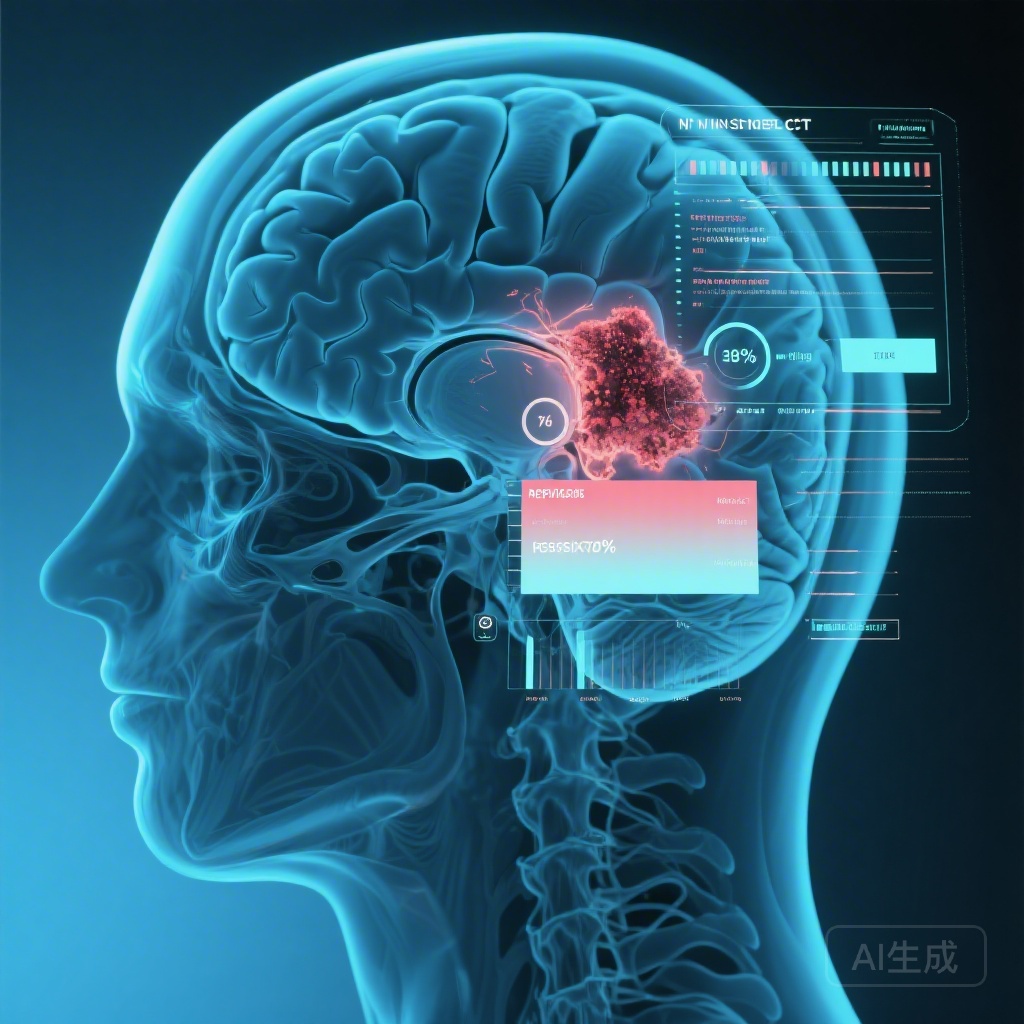
The multicenter GLIAA trial demonstrated that FET-PET-guided target volume delineation for re-irradiation does not provide a progression-free survival benefit over standard contrast-enhanced T1-weighted MRI in patients with recurrent glioblastoma, solidifying MRI's role as the preferred clinical delineation method.
White Matter Microstructure and Cognitive Decline in Aging and Alzheimer Disease: A Comprehensive Review of Recent Advances

White Matter Microstructure and Cognitive Decline in Aging and Alzheimer Disease: A Comprehensive Review of Recent Advances

This review synthesizes recent large-scale multi-cohort studies revealing white matter microstructural abnormalities—especially free water increases—in limbic tracts as critical markers of cognitive decline in aging and Alzheimer's disease, emphasizing integrated biomarker approaches.
Ezabenlimab plus mDCF Induction and Adaptive Chemoradiotherapy Achieve High Complete Response Rates in Stage 3 Squamous Cell Anal Carcinoma (INTERACT-ION)

Ezabenlimab plus mDCF Induction and Adaptive Chemoradiotherapy Achieve High Complete Response Rates in Stage 3 Squamous Cell Anal Carcinoma (INTERACT-ION)

The INTERACT-ION phase 2 trial reports that induction ezabenlimab with modified DCF followed by biomarker-guided, involved-node radiotherapy produced high clinical complete response rates (overall 77.8%) with a manageable safety profile in stage 3 anal squamous cell carcinoma.