Beyond Picky Eating: Large-Scale Study Reveals the Genetic Architecture and Developmental Impact of ARFI Phenotypes

Beyond Picky Eating: Large-Scale Study Reveals the Genetic Architecture and Developmental Impact of ARFI Phenotypes

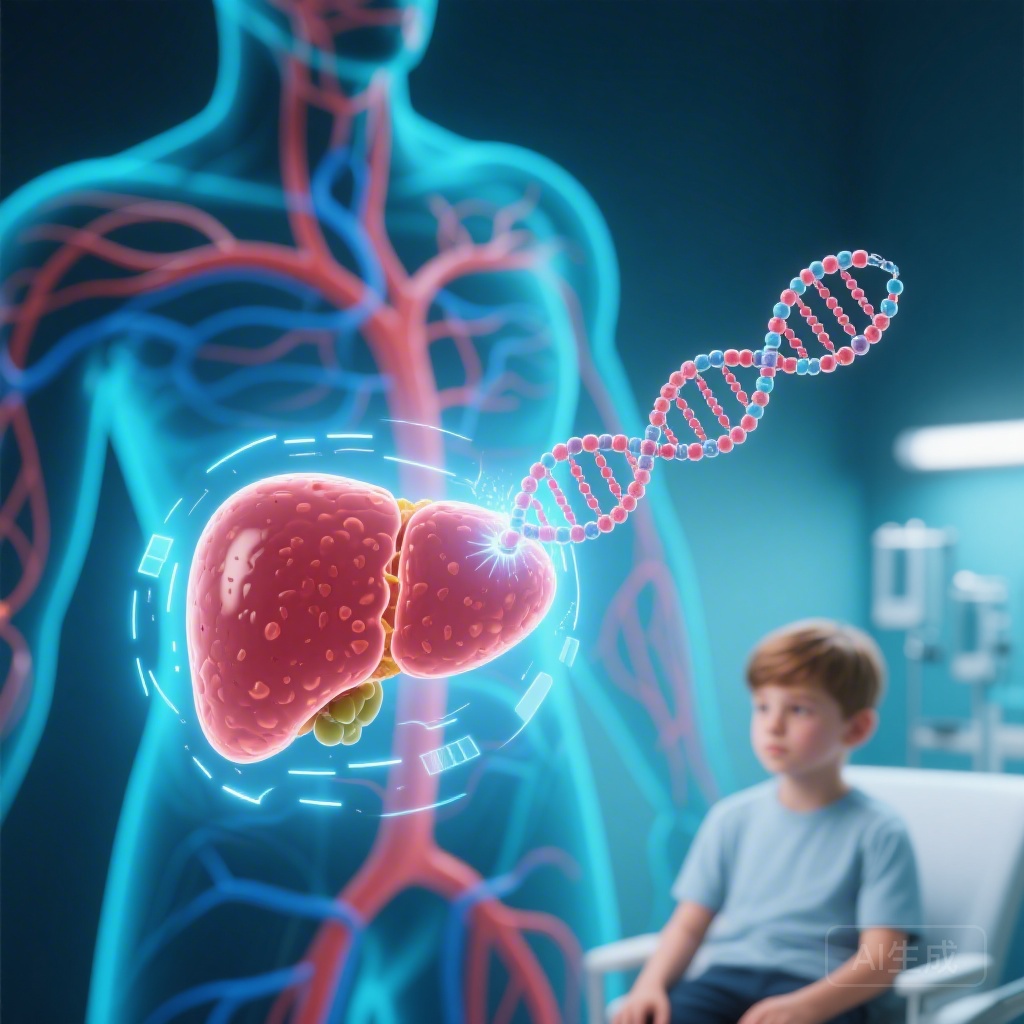
This large-scale study of 35,751 children characterizes ARFI phenotypes, revealing a 6.3% clinical prevalence and significant genetic heritability. Findings link ARFI to the ADCY3 locus and long-term neurodevelopmental difficulties, emphasizing the need for early identification and broad support interventions.
Inhaled Insulin for Pediatric Type 1 Diabetes: Analyzing the INHALE-1 Trial Results and Clinical Implications

Inhaled Insulin for Pediatric Type 1 Diabetes: Analyzing the INHALE-1 Trial Results and Clinical Implications

The INHALE-1 trial evaluated inhaled technosphere insulin in children. While it narrowly missed the primary HbA1c noninferiority margin, the study demonstrated improved patient satisfaction, reduced weight gain, and a favorable safety profile, suggesting its potential as a needle-free alternative for select pediatric patients.
Lifespan Management of ADHD: Landmark Umbrella Review Identifies Optimal Interventions and Critical Evidence Gaps

Lifespan Management of ADHD: Landmark Umbrella Review Identifies Optimal Interventions and Critical Evidence Gaps

A comprehensive BMJ umbrella review synthesizes evidence for ADHD interventions across the lifespan, confirming the efficacy of stimulants and non-stimulants in the short term while revealing a critical lack of high-certainty long-term data and introducing a new digital platform for shared clinical decision-making.
Frozen Embryo Transfer and Offspring Development: Higher Birthweight Drives Increased Bone Mineralization While BMI Remains Stable

Frozen Embryo Transfer and Offspring Development: Higher Birthweight Drives Increased Bone Mineralization While BMI Remains Stable

Recent evidence indicates that children conceived via frozen embryo transfer (FET) exhibit higher bone mineral content at age 7-10 compared to fresh transfer and natural conception, a difference primarily driven by higher birthweight. Conversely, a large-scale meta-analysis shows no significant difference in long-term BMI.
Stratifying Risk in Cow’s Milk Allergy: BAT Emerges as the Superior Biomarker for Severity and Threshold

Stratifying Risk in Cow’s Milk Allergy: BAT Emerges as the Superior Biomarker for Severity and Threshold

The BAT2 study reveals that the Basophil Activation Test (BAT) is the only biomarker capable of accurately predicting reaction severity to baked milk and the sensitivity threshold for fresh milk, offering a transformative tool for clinical risk assessment and personalized management of cow's milk allergy.
Nirsevimab Slashing Pediatric LRTI Hospitalizations by Over 60%: Real-World Evidence Supports Universal Immunization

Nirsevimab Slashing Pediatric LRTI Hospitalizations by Over 60%: Real-World Evidence Supports Universal Immunization

A comprehensive meta-analysis of over 260,000 infants confirms that nirsevimab significantly reduces respiratory syncytial virus (RSV) and lower respiratory tract infection (LRTI) hospitalizations and emergency department visits, providing a robust evidence base for pediatric immunization strategies.
Real-World Implementation of RTS,S/AS01E Malaria Vaccine Reduces Severe Malaria by 58%: Evidence from the EPI-MAL-003 Phase 4 Study

Real-World Implementation of RTS,S/AS01E Malaria Vaccine Reduces Severe Malaria by 58%: Evidence from the EPI-MAL-003 Phase 4 Study

This interim analysis of the phase 4 EPI-MAL-003 study demonstrates that the RTS,S/AS01E malaria vaccine significantly reduces severe malaria, malaria-related hospitalizations, and all-cause hospitalizations in real-world clinical settings across Ghana, Kenya, and Malawi, supporting its widespread public health utility.