Tumor Microenvironment-Responsive Mn-Based Nanoplatform Activates cGAS-STING Pathway Coupled with Metabolic Interference for Enhanced Antitumor Therapy

Tumor Microenvironment-Responsive Mn-Based Nanoplatform Activates cGAS-STING Pathway Coupled with Metabolic Interference for Enhanced Antitumor Therapy

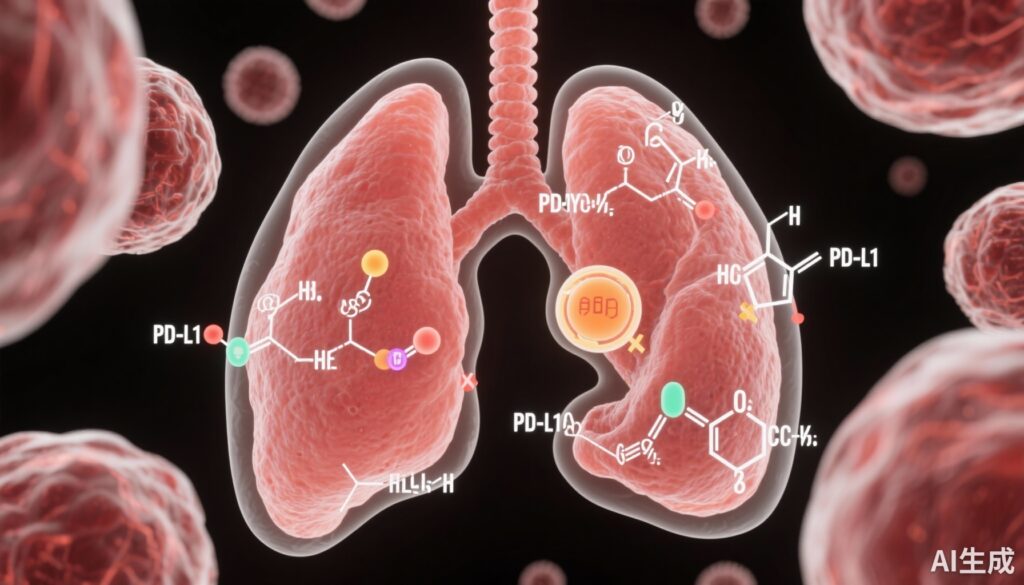
A novel Mn-based nanoplatform, LT@MnO@MON-HA (LMMH), responsive to tumor microenvironment triggers metabolic disruption and robust cGAS-STING activation, potentiating chemodynamic therapy and immunotherapy for improved tumor suppression.
Unraveling Chronic Stress: The Role of Gut Dysbiosis and Vitamin B6 Metabolism in Stress-Related Brain Disorders Independent of Cortisol

Unraveling Chronic Stress: The Role of Gut Dysbiosis and Vitamin B6 Metabolism in Stress-Related Brain Disorders Independent of Cortisol

Recent evidence reveals gut dysbiosis-induced vitamin B6 metabolic disturbances as a novel, cortisol-independent mechanism driving chronic stress-related abnormal behaviors and inflammation, highlighting probiotic and vitamin B6 supplementation as potential therapeutic strategies.
Exploring the Therapeutic Potential of Betaine and Its Derivatives in Cancer Treatment: From Mechanisms to Clinical Implications

Exploring the Therapeutic Potential of Betaine and Its Derivatives in Cancer Treatment: From Mechanisms to Clinical Implications

Betaine, a natural methyl donor with antioxidant and anti-inflammatory properties, demonstrates promising anticancer activity across multiple cancer types. Its derivatives and nanotechnology-assisted delivery systems enhance therapeutic efficacy and safety, offering innovative avenues for cancer management.
Low-Dose Caffeine Boosts Cognitive Function but Not Physical Performance in Fatigued Taekwondo Athletes: Insights from a Randomized Crossover Trial

Low-Dose Caffeine Boosts Cognitive Function but Not Physical Performance in Fatigued Taekwondo Athletes: Insights from a Randomized Crossover Trial

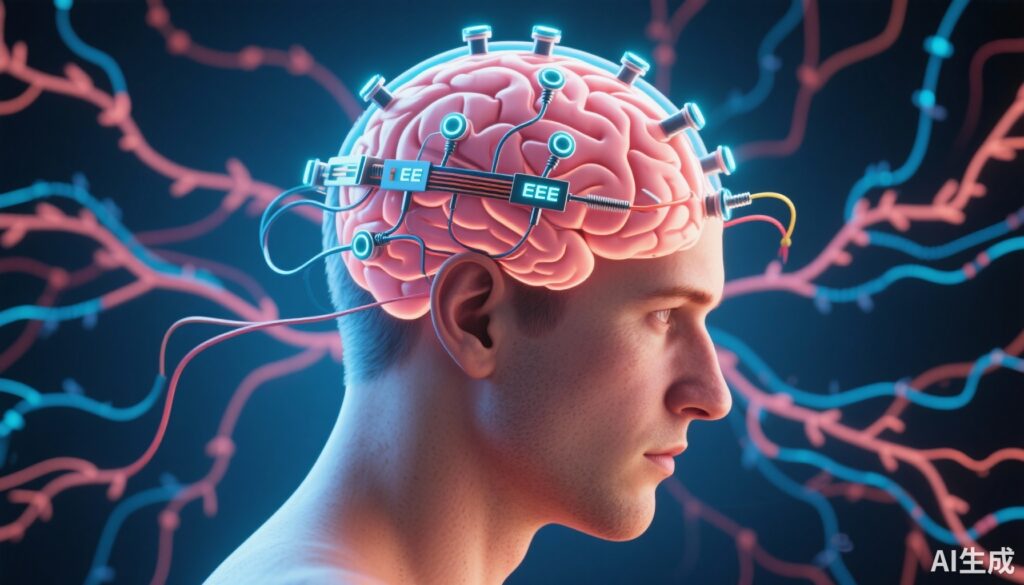
A 200 mg caffeine dose enhances cognitive processing by reducing brain fatigue markers without improving physical performance in fatigued Taekwondo athletes. The findings underscore caffeine's selective benefit on mental function over physical agility post-fatigue.