Why Emergency Medicine Residents Rarely Choose Surgical Critical Care — A Nationwide Survey and a Roadmap to Increase EM-SCC Matriculation

Why Emergency Medicine Residents Rarely Choose Surgical Critical Care — A Nationwide Survey and a Roadmap to Increase EM-SCC Matriculation

A national survey of 111 emergency medicine trainees identifies limited exposure to surgical critical care, institutional and geographic factors, and program characteristics (ECMO, multidisciplinary teams) as key modifiable drivers of low EM matriculation into surgical critical care fellowships.

Dose-Dependent Radiation and Chemotherapy Risks for Colorectal Subsequent Malignancies in Childhood Cancer Survivors: Clinical Implications from a CCSS Analysis

Dose-Dependent Radiation and Chemotherapy Risks for Colorectal Subsequent Malignancies in Childhood Cancer Survivors: Clinical Implications from a CCSS Analysis

A CCSS analysis of 25,723 five-year childhood cancer survivors shows clear dose-response relationships between colorectum-specific radiation dose, irradiated colorectal volume, several chemotherapy exposures (notably procarbazine, high alkylator and platinum doses), and subsequent colorectal cancers, with actionable implications for RT planning and survivorship surveillance.
Mosunetuzumab + Polatuzumab Vedotin Outperforms R‑GemOx in Transplant‑Ineligible Relapsed/Refractory Large B‑Cell Lymphoma: Primary Results of the Phase III SUNMO Trial

Mosunetuzumab + Polatuzumab Vedotin Outperforms R‑GemOx in Transplant‑Ineligible Relapsed/Refractory Large B‑Cell Lymphoma: Primary Results of the Phase III SUNMO Trial

In the randomized phase III SUNMO trial, mosunetuzumab plus polatuzumab vedotin significantly improved response rates and progression‑free survival versus R‑GemOx in transplant‑ineligible relapsed/refractory large B‑cell lymphoma, with low rates of clinically significant cytokine release syndrome and improved patient‑reported outcomes.
Post‑transplant Cyclophosphamide with Sirolimus/Cyclosporine Dramatically Lowers Chronic GVHD After Unrelated Donor PBSC Transplant Without Raising Relapse Risk

Post‑transplant Cyclophosphamide with Sirolimus/Cyclosporine Dramatically Lowers Chronic GVHD After Unrelated Donor PBSC Transplant Without Raising Relapse Risk

In a randomized Phase II trial, replacing MMF with post‑transplant cyclophosphamide (PTCy) alongside sirolimus and cyclosporine in unrelated donor PBSC transplants markedly lowered chronic GVHD and improved 1‑year chronic GVHD‑free relapse‑free survival, without increasing relapse or early mortality, though severe infections rose.
Quizartinib Added to Standard Chemotherapy Improves Event-Free and Overall Survival in Newly Diagnosed FLT3‑ITD–Negative AML: Findings from the Phase II QUIWI Trial

Quizartinib Added to Standard Chemotherapy Improves Event-Free and Overall Survival in Newly Diagnosed FLT3‑ITD–Negative AML: Findings from the Phase II QUIWI Trial

In the randomized, double‑blind phase II QUIWI trial, adding quizartinib to standard induction/consolidation chemotherapy and single‑agent maintenance significantly improved event‑free survival and overall survival for adults 18–70 years with newly diagnosed FLT3‑ITD–negative AML versus placebo.
Hepatic Arterial Infusion of Floxuridine Plus Systemic Gemcitabine–Cisplatin Substantially Improves Survival for Liver‑Confined Unresectable Intrahepatic Cholangiocarcinoma: PUMP‑2 Trial Results

Hepatic Arterial Infusion of Floxuridine Plus Systemic Gemcitabine–Cisplatin Substantially Improves Survival for Liver‑Confined Unresectable Intrahepatic Cholangiocarcinoma: PUMP‑2 Trial Results

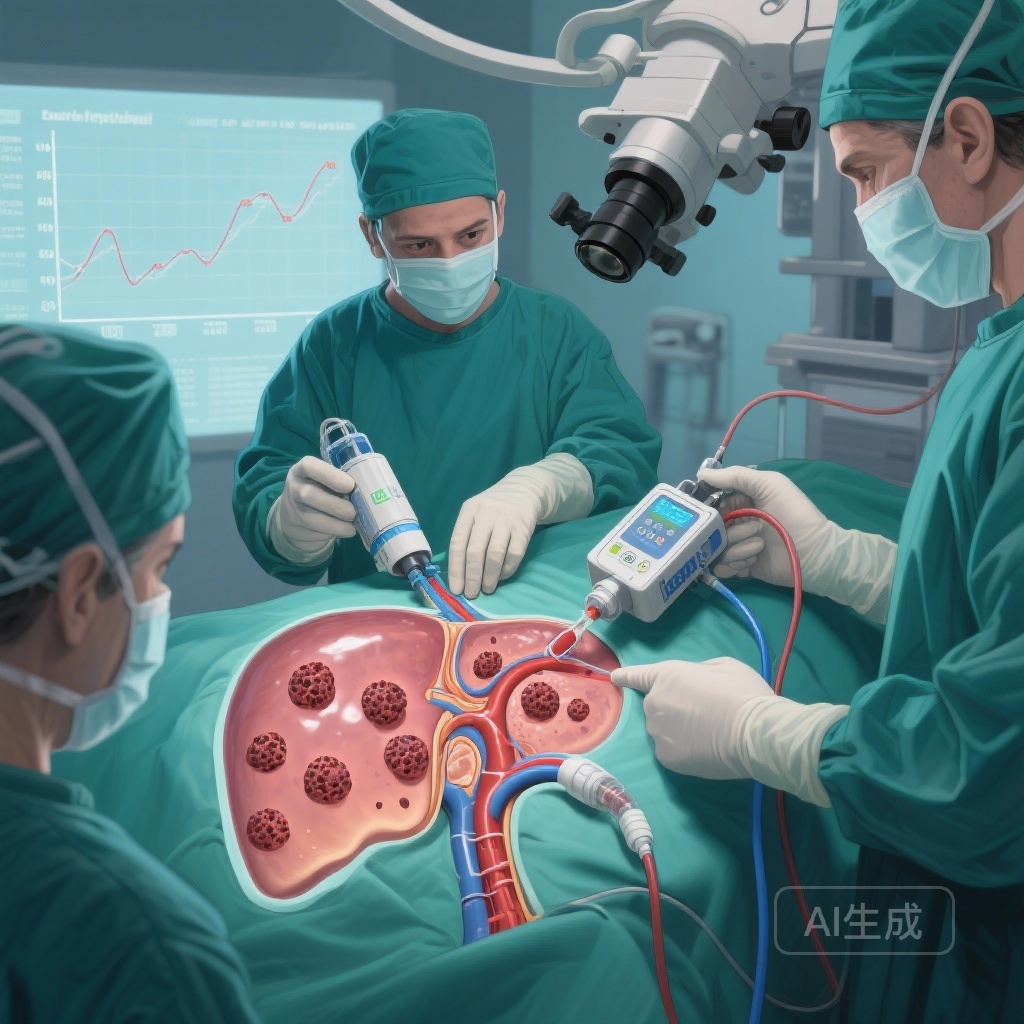
The PUMP‑2 phase II trial reports that hepatic arterial infusion (HAIP) of floxuridine combined with systemic gemcitabine–cisplatin achieved a 1‑year overall survival of 80% and median OS of 22.3 months in unresectable liver‑confined intrahepatic cholangiocarcinoma, surpassing historical gem‑cis cohorts.
Ifinatamab Deruxtecan Shows Promising Activity in Previously Treated Extensive‑Stage SCLC: Primary Analysis of Phase II IDeate‑Lung01

Ifinatamab Deruxtecan Shows Promising Activity in Previously Treated Extensive‑Stage SCLC: Primary Analysis of Phase II IDeate‑Lung01

In the phase II IDeate‑Lung01 trial, ifinatamab deruxtecan (I‑DXd) at 12 mg/kg every 3 weeks produced a confirmed ORR of 48.2% and median PFS 4.9 months in heavily pretreated extensive‑stage small cell lung cancer (ES‑SCLC), with an adjudicated treatment‑related ILD rate of 12.4%. Results support further development with careful ILD monitoring.
Paracetamol Lowers Cerebral Temperature Modestly but Meaningfully in Febrile Brain‑Injured Patients: Results of the NEUROTHERM Randomized Pharmacodynamic Trial

Paracetamol Lowers Cerebral Temperature Modestly but Meaningfully in Febrile Brain‑Injured Patients: Results of the NEUROTHERM Randomized Pharmacodynamic Trial

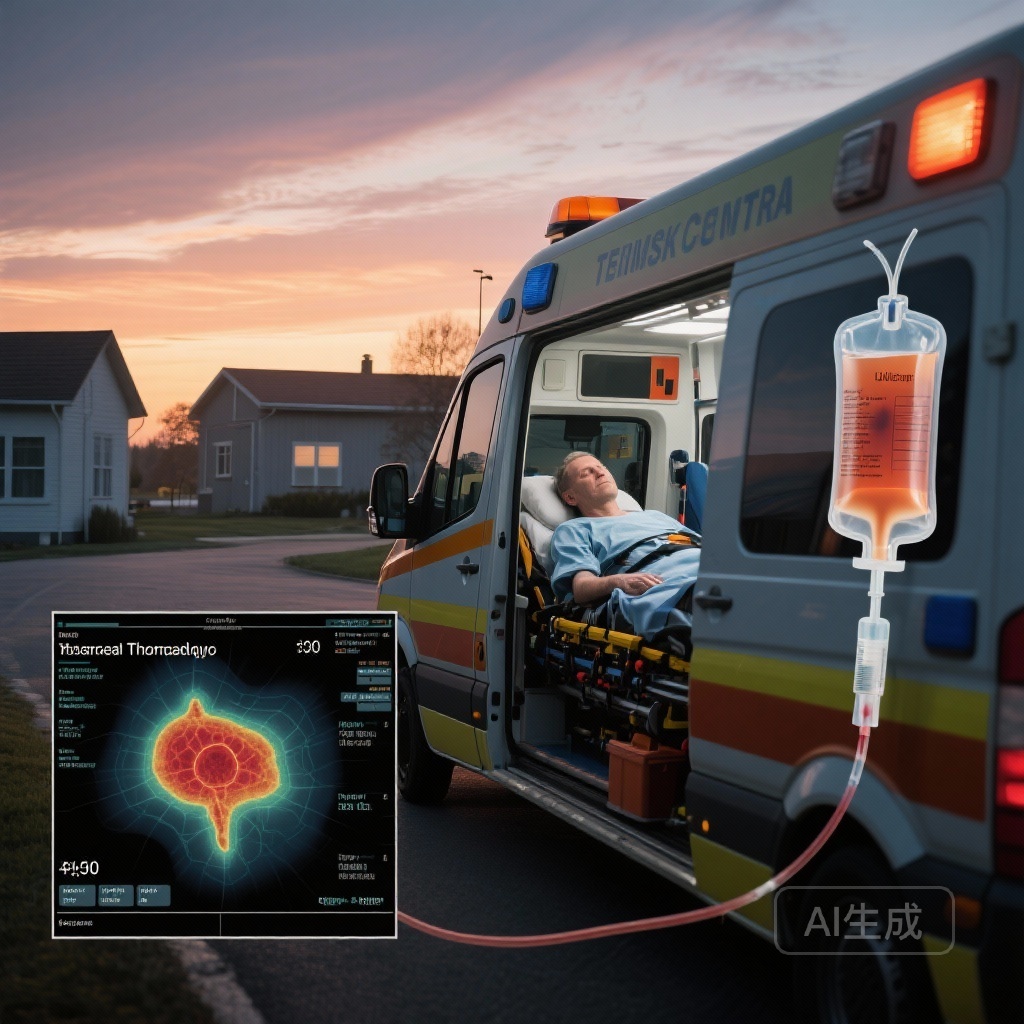
In a double‑blind RCT of 99 febrile brain‑injured patients with intracerebral thermal probes, a single IV dose of paracetamol reduced mean cerebral temperature by 0.6°C versus placebo and kept cerebral temperature <38.5°C for a median 3.6 hours; one‑third of patients did not respond.
Ruxolitinib Improves Failure-Free and Overall Survival Versus Best Available Therapy in Steroid-Refractory Acute GVHD: Final 24‑Month REACH2 Analysis

Ruxolitinib Improves Failure-Free and Overall Survival Versus Best Available Therapy in Steroid-Refractory Acute GVHD: Final 24‑Month REACH2 Analysis

The 24‑month final analysis of the phase III REACH2 trial shows ruxolitinib produced longer failure‑free survival, improved median overall and event‑free survival, and a longer duration of response versus best available therapy (BAT) in patients with steroid‑refractory acute GVHD.
Nurse-Led Family Communication in the ICU: Modest Gains in Communication Quality and Shorter Hospital Stays — What Works and What We Still Don’t Know

Nurse-Led Family Communication in the ICU: Modest Gains in Communication Quality and Shorter Hospital Stays — What Works and What We Still Don’t Know

A 2025 systematic review of nurse-led ICU family communication interventions found modest improvement in communication quality (SMD 0.26) and reduced hospital LOS (~3.9 days), but limited effects on psychological distress, satisfaction, ICU LOS, or mortality. Heterogeneity in models and implementers limits firm recommendations.