NT-501 Encapsulated Cell Therapy Successfully Slows Photoreceptor Loss in Macular Telangiectasia Type 2: Results from Two Phase 3 Trials

NT-501 Encapsulated Cell Therapy Successfully Slows Photoreceptor Loss in Macular Telangiectasia Type 2: Results from Two Phase 3 Trials

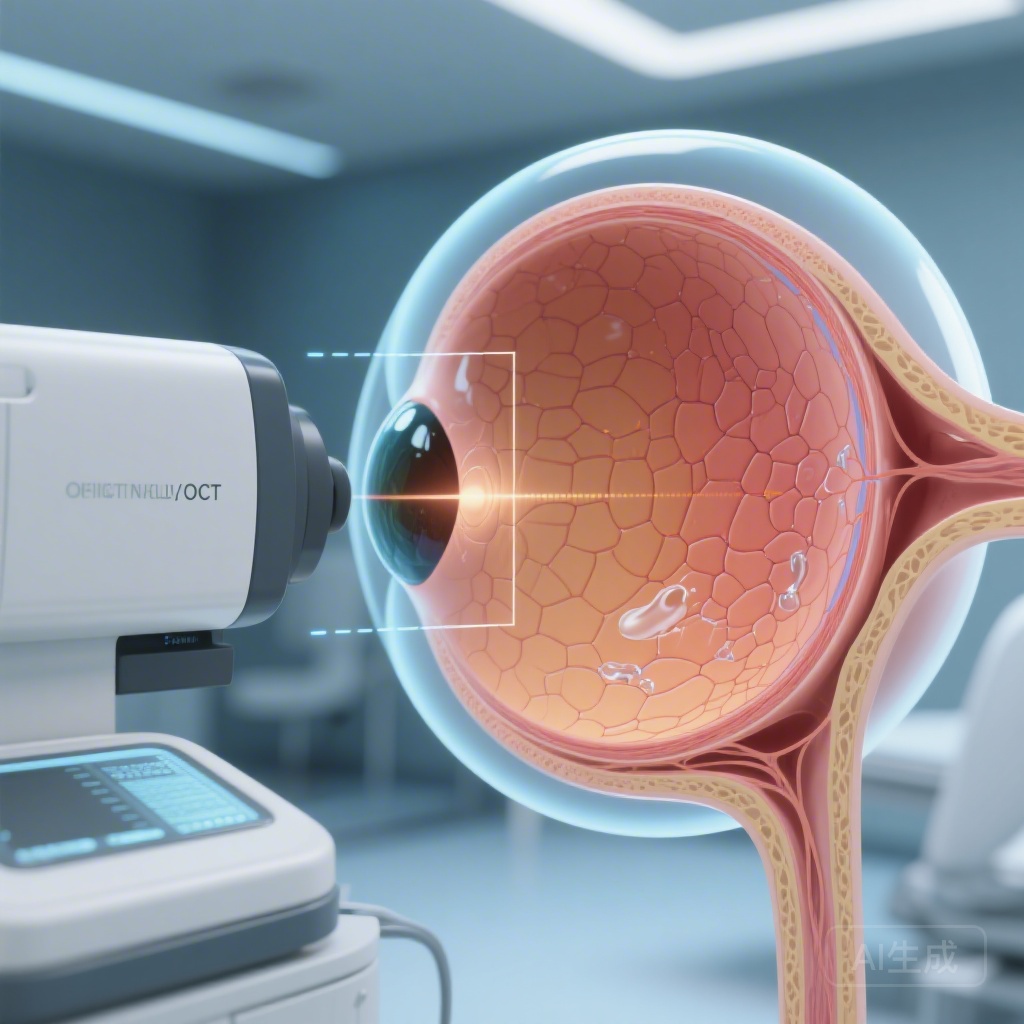
Two Phase 3 trials show that NT-501 encapsulated cell therapy significantly reduces ellipsoid zone area loss in Macular Telangiectasia Type 2. While functional outcomes were inconsistent, the treatment demonstrated a robust neuroprotective effect against photoreceptor degeneration over 24 months.
Medical and Surgical Treatments for Neurotrophic Keratopathy: What Randomized Trials Tell Us (and What They Don’t)

Medical and Surgical Treatments for Neurotrophic Keratopathy: What Randomized Trials Tell Us (and What They Don’t)

A Cochrane review of seven RCTs (494 participants) finds low- to very low-certainty evidence that select medical therapies — notably recombinant human nerve growth factor — may improve corneal re-epithelialization in neurotrophic keratopathy; evidence on vision, sensitivity, and surgical options remains inconclusive.
Rigid Gas-Permeable Contact Lenses Improve Visual Rehabilitation After Primary Congenital Glaucoma Surgery: Results of the CLEVR‑PCG Randomized Trial

Rigid Gas-Permeable Contact Lenses Improve Visual Rehabilitation After Primary Congenital Glaucoma Surgery: Results of the CLEVR‑PCG Randomized Trial

In children after primary congenital glaucoma surgery with poor spectacle response, rigid gas‑permeable contact lenses produced greater improvements in worse‑eye visual acuity, contrast sensitivity, and near stereoacuity over 12 months compared with continued spectacle wear.
Indole-3-Propionic Acid Bridges Gut Dysfunction and Diabetic Retinopathy — A Biomarker and Therapeutic Avenue

Indole-3-Propionic Acid Bridges Gut Dysfunction and Diabetic Retinopathy — A Biomarker and Therapeutic Avenue

A Gut 2025 study identifies microbially produced indole-3-propionic acid (IPA) as a protective metabolite linking restored intestinal tryptophan handling to prevention of diabetic retinopathy in mice and associates low serum IPA with retinopathy in people with type 2 diabetes.
Glucagon-Like Peptide-1 Receptor Agonists and Ocular Risks: A Comprehensive Review of Neovascular AMD, Diabetic Retinopathy, and Ischemic Optic Neuropathy in Diabetes

Glucagon-Like Peptide-1 Receptor Agonists and Ocular Risks: A Comprehensive Review of Neovascular AMD, Diabetic Retinopathy, and Ischemic Optic Neuropathy in Diabetes

GLP-1 receptor agonists used in diabetes show a twofold increased risk of neovascular AMD, a modest risk elevation for diabetic retinopathy, and a small but significant increased risk for nonarteritic anterior ischemic optic neuropathy, warranting careful ophthalmic monitoring.