Intensive Blood Pressure Control to <120 mmHg: Holistic Benefits Across Frailty, Quality of Life, and Microvascular Health in the ESPRIT Trial

Intensive Blood Pressure Control to <120 mmHg: Holistic Benefits Across Frailty, Quality of Life, and Microvascular Health in the ESPRIT Trial

The ESPRIT trial reveals that targeting systolic blood pressure below 120 mmHg significantly reduces cardiovascular events across diverse populations, including frail patients and those with diabetes, while uniquely improving retinal microvascular health and maintaining patient quality of life.

Opportunistic Genomic Screening for Familial Hypercholesterolemia: Does Genetic Feedback Drive Clinical Change?

Opportunistic Genomic Screening for Familial Hypercholesterolemia: Does Genetic Feedback Drive Clinical Change?

This randomized clinical trial investigates whether returning opportunistic genomic results for familial hypercholesterolemia to veterans impacts LDL-C levels. While the primary endpoint missed statistical significance, the findings suggest a potential clinical benefit in treatment intensification and family communication.
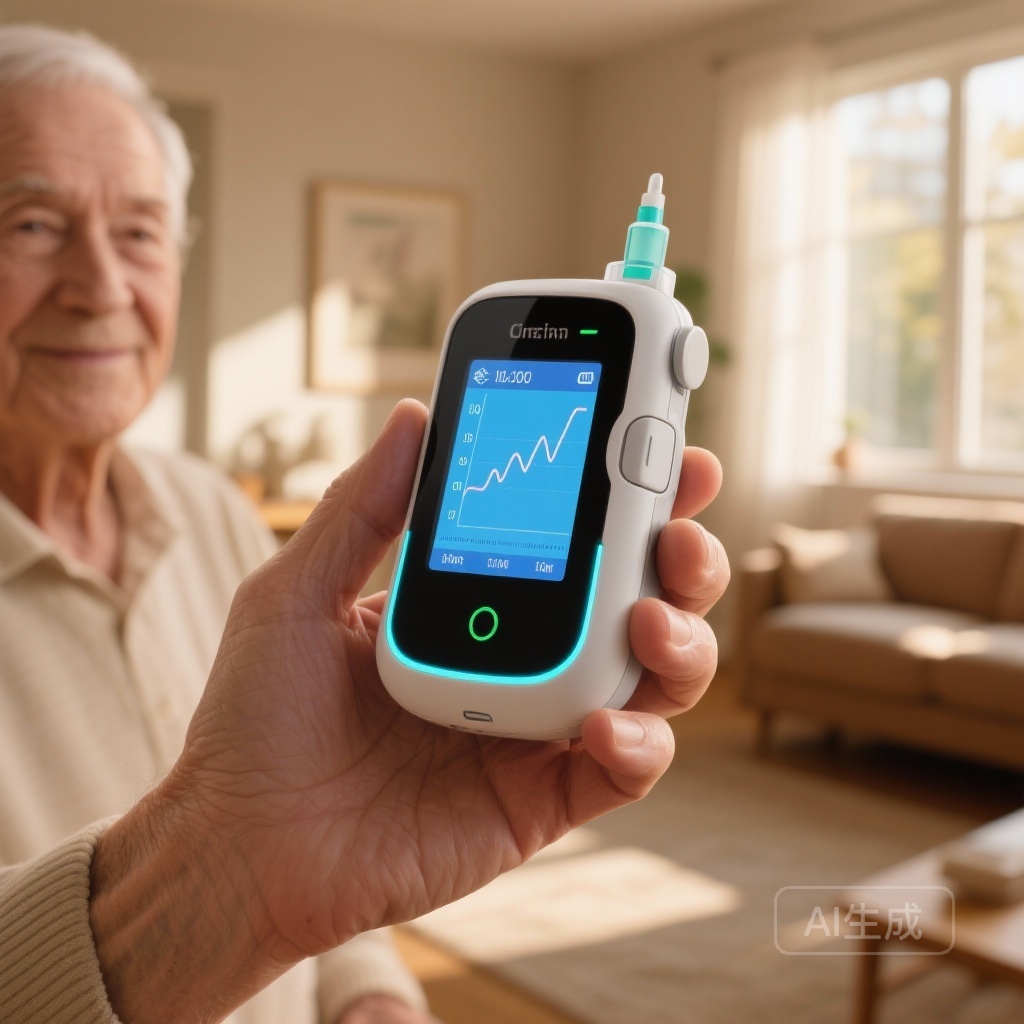
Video Consultations for Insulin Pump-Treated Type 1 Diabetes: Non-Inferior Glycemic Control with Nuanced Patient Outcomes

Video Consultations for Insulin Pump-Treated Type 1 Diabetes: Non-Inferior Glycemic Control with Nuanced Patient Outcomes

A 52-week RCT demonstrates that video consultations achieve comparable Time in Range (TiR) to physical visits for T1D patients on insulin pumps. While the intervention improved HbA1c and treatment satisfaction, it was associated with an inferior impact on patient quality of life.

Multicomponent Nudges Significantly Boost Influenza Vaccination Rates in Primary Care: Insights from the BE IMMUNE Trial

Multicomponent Nudges Significantly Boost Influenza Vaccination Rates in Primary Care: Insights from the BE IMMUNE Trial

The BE IMMUNE randomized trial demonstrates that combining patient text reminders, clinician EHR pended orders, and peer comparisons increases flu vaccination by 5.1 percentage points among adults aged 50 and older, highlighting the efficacy of multilevel behavioral interventions in clinical settings.
Low Potassium Levels Linked to Five-Fold Increase in Daily Atrial Fibrillation Risk: Insights from Continuous Monitoring

Low Potassium Levels Linked to Five-Fold Increase in Daily Atrial Fibrillation Risk: Insights from Continuous Monitoring

A post hoc analysis of the LOOP study reveals that hypokalaemia is significantly associated with an increased risk of daily atrial fibrillation, particularly longer episodes. The study highlights that deviations from a patient's individual baseline potassium level are stronger predictors of AF than absolute values.
Lowering Blood Pressure in Isolated Diastolic Hypertension: Evidence Supports Risk Reduction Across All Diastolic Levels

Lowering Blood Pressure in Isolated Diastolic Hypertension: Evidence Supports Risk Reduction Across All Diastolic Levels

A large-scale meta-analysis reveals that lowering blood pressure in patients with isolated diastolic hypertension (IDH) provides cardiovascular protection comparable to those with systolic elevations, suggesting that diastolic thresholds alone should not preclude treatment in high-risk individuals.