Unraveling Non-Acute Decompensation in Cirrhosis: A Distinct Clinical and Pathophysiological Entity with Prognostic Implications

Unraveling Non-Acute Decompensation in Cirrhosis: A Distinct Clinical and Pathophysiological Entity with Prognostic Implications

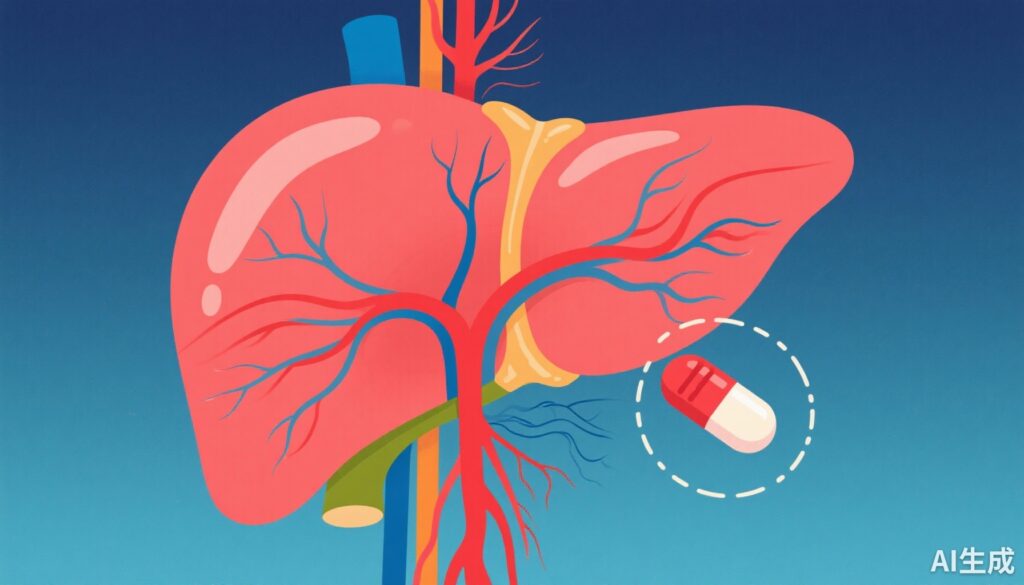
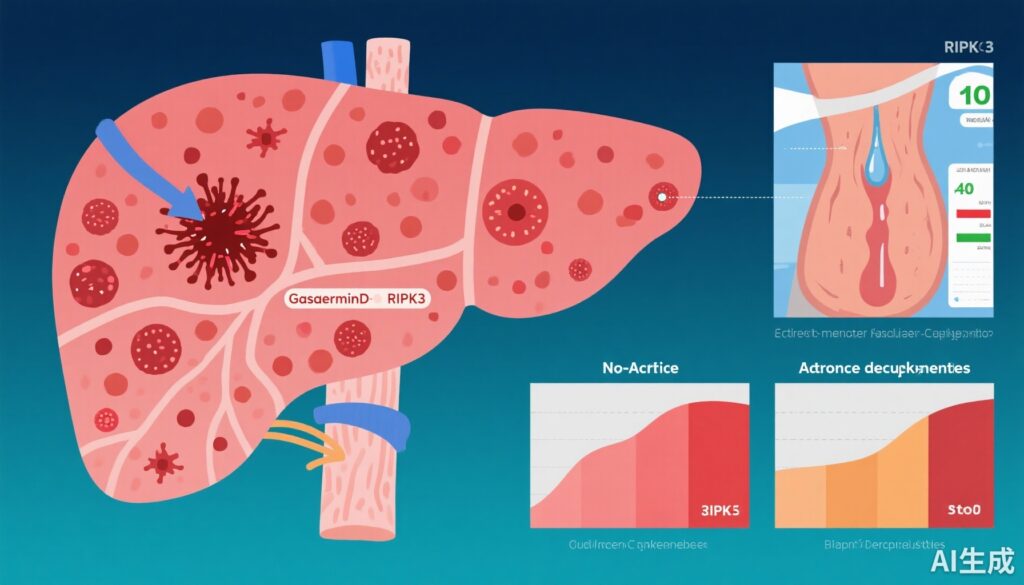
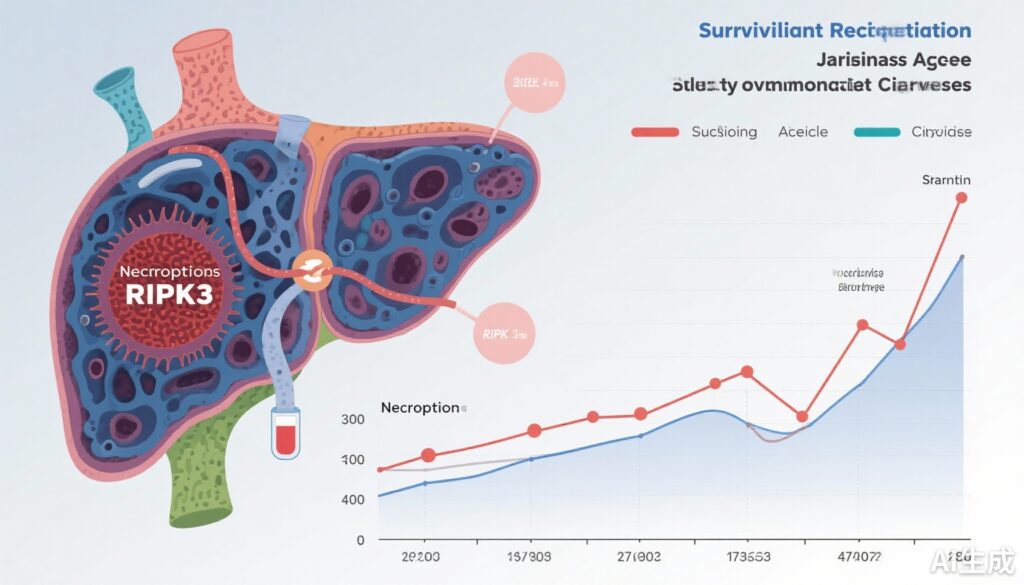
Non-acute decompensation of cirrhosis (NAD) represents a distinct clinical state characterized by elevated cell death markers and moderate prognosis. Identifying predictors such as ascites severity and biomarkers Gasdermin-D and RIPK3 may guide timely interventions to prevent progression to acute decompensation and reduce mortality.
Elevated Risk of Alcohol-Related Liver Disease and Mortality in Patients Undergoing Treatment for Alcohol Use Disorder: Insights from a Nationwide Danish Cohort

Elevated Risk of Alcohol-Related Liver Disease and Mortality in Patients Undergoing Treatment for Alcohol Use Disorder: Insights from a Nationwide Danish Cohort

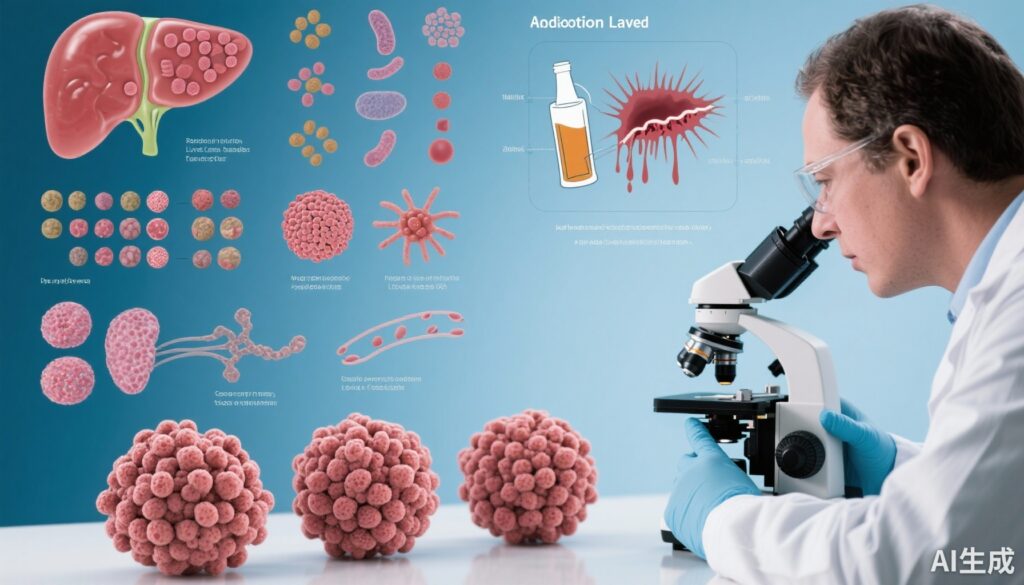
This study quantifies the heightened risk of alcohol-related liver disease, cancer, cardiovascular mortality, and all-cause death among individuals receiving treatment for alcohol use disorder compared to the general population, emphasizing the need for targeted screening and integrated care.
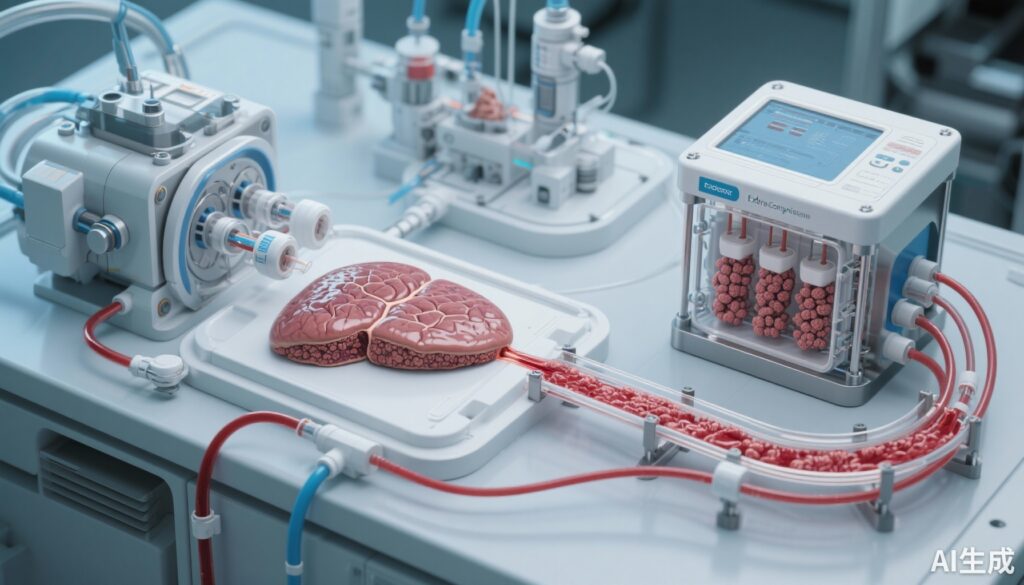
Innovative Extracorporeal Therapy Combining HLA-Depleted Liver Organoids and Granulocyte-Monocyte Apheresis for Reversal of Acute Liver Failure

Innovative Extracorporeal Therapy Combining HLA-Depleted Liver Organoids and Granulocyte-Monocyte Apheresis for Reversal of Acute Liver Failure

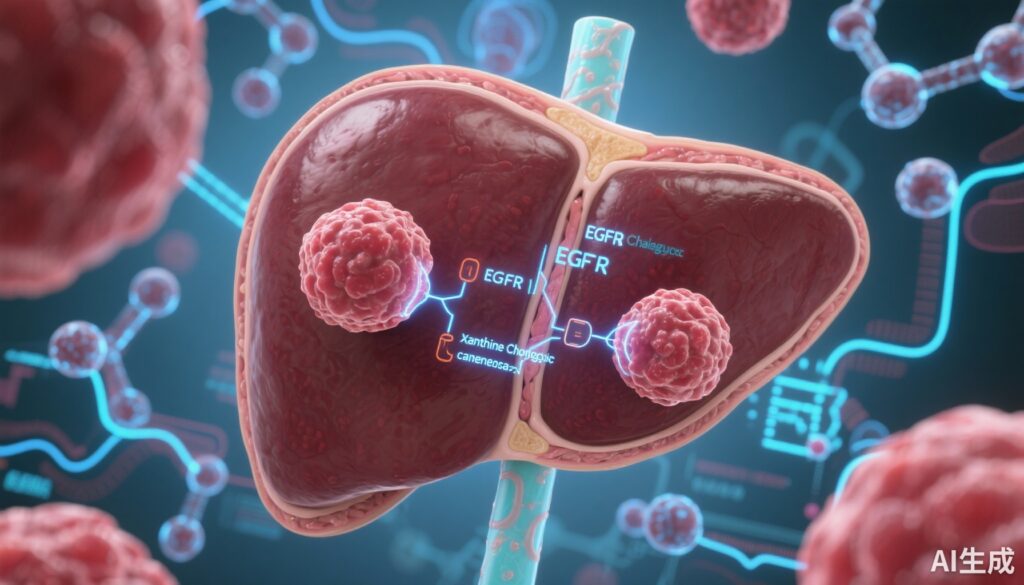
The UTOpiA system, integrating HLA-depleted iPSC-derived liver organoids with granulocyte-monocyte apheresis, significantly improves survival and liver regeneration in acute-on-chronic and acute liver failure rat models, representing a promising off-the-shelf extracorporeal liver support therapy.