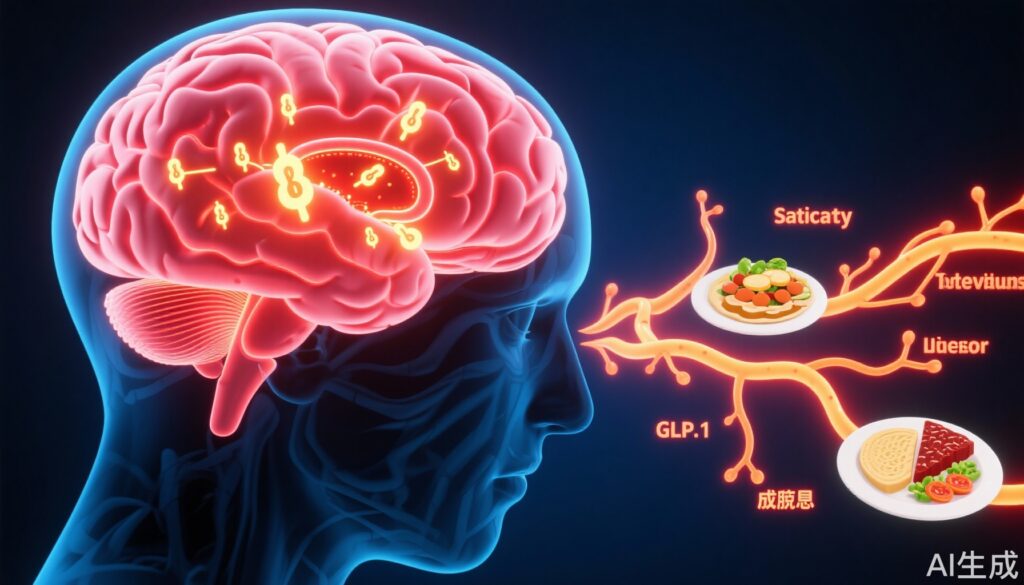
Discover how dopamine neurons in the brain's reward center overpower satiety signals, driving hedonic eating even when we're full, revealing new insights for obesity treatment.
Midlife weight gain, especially around the abdomen, is driven by age-related changes in fat progenitor cells, not simply reduced metabolism or exercise, revealing new insights for targeted treatments.
Recent research unveils a 'neurobiotic sense' in the gut that detects bacterial molecules and regulates feeding through the gut-brain axis, reshaping our understanding of appetite control.
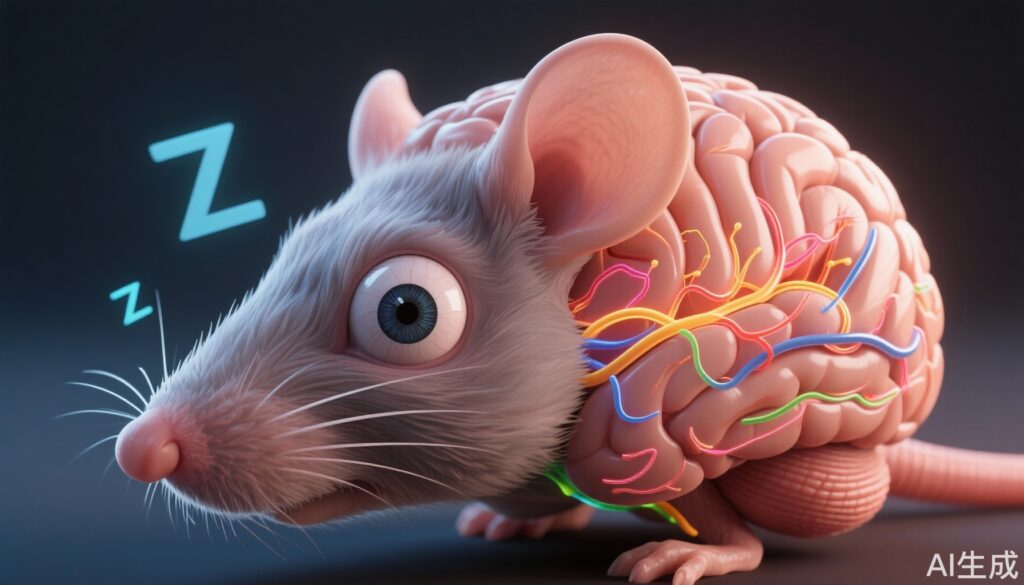
Exploring how sleep deprivation triggers whole-brain oxidative stress and mitochondrial dysfunction, revealing why sleep is essential for brain health and energy metabolism.
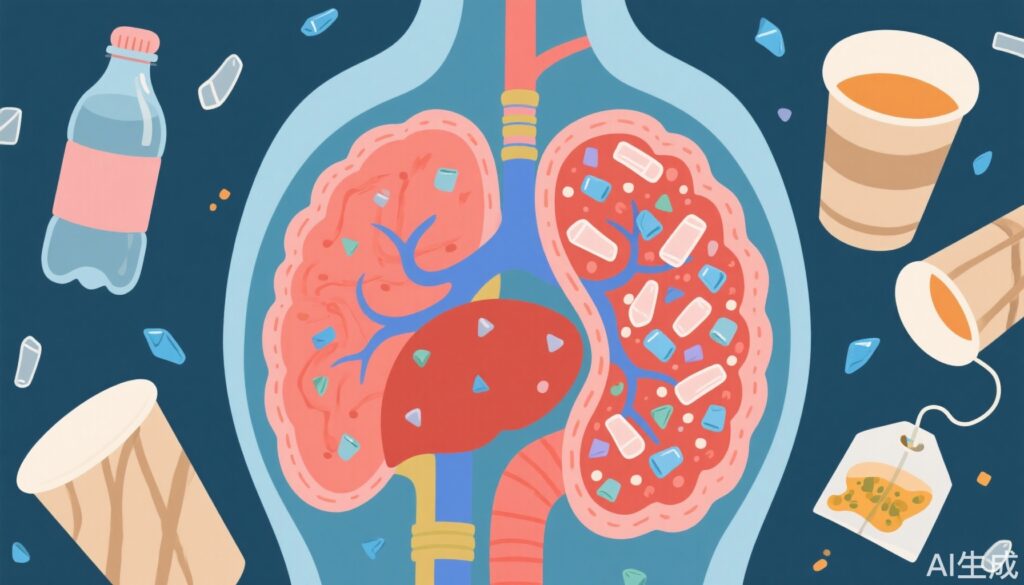
Recent research shows microplastics present in 100% of 62 human placentas analyzed, raising concerns about prenatal exposure and future health implications.
Recent research reveals that microwaving plastic food containers can release billions of micro- and nanoplastic particles into food, posing potential health risks, especially to infants and young children. Understanding this silent contamination is vital for safer food practices.
A groundbreaking discovery reveals a natural anti-inflammatory molecule in the body, homocysitaconate, whose levels can be boosted by vitamin B3 supplementation, offering new hope for managing severe inflammatory diseases.
A recent survey reveals that most US cardiologists inconsistently adhere to lifestyle recommendations, especially dietary and physical activity guidelines, despite endorsing them for cardiovascular health.
A study analyzing over 95,000 athletes reveals that racquet sports extend lifespan more than other activities, reducing mortality rates and improving cardiovascular health, brain function, and emotional well-being.
A 7-day randomized study shows that both low- and high-protein fasting-mimicking diets improve cardiometabolic health and autophagy, with high-protein variants uniquely enhancing visceral fat reduction, lipid profiles, heart rate variability, and gut microbiome diversity.
Betaine, a natural methyl donor with antioxidant and anti-inflammatory properties, demonstrates promising anticancer activity across multiple cancer types. Its derivatives and nanotechnology-assisted delivery systems enhance therapeutic efficacy and safety, offering innovative avenues for cancer management.
Beetroot juice supplementation offers modest improvements in physical performance, enhancing muscular strength in professional athletes and aerobic endurance and lactate tolerance in healthy individuals. Acute dosing 2-3 hours pre-exercise with 8.3-16.4 mmol nitrate is optimal.
Short-term nitrate supplementation via beetroot juice improves muscle contractile properties and reduces fatigue in older adults, with no similar benefits observed in younger individuals.
Eight weeks of nitrate-rich beetroot extract supplementation significantly increases fasting nitrate and nitrite levels, improving knee extensor muscle strength and power in postmenopausal women.
A 6-week 16/8 time-restricted eating program improves fat loss and lipolytic hormone levels in female DanceSport athletes without altering calorie intake, highlighting a novel dietary timing strategy to optimize body composition and lipid metabolism.
A 200 mg caffeine dose enhances cognitive processing by reducing brain fatigue markers without improving physical performance in fatigued Taekwondo athletes. The findings underscore caffeine's selective benefit on mental function over physical agility post-fatigue.
Combining caffeine with theacrine improves cognitive and physical performance in tactical personnel during physically fatiguing conditions, offering benefits beyond caffeine alone and reducing common side effects.
This study compares ChatGPT-4o and family physicians in answering 200 common primary care questions, revealing AI’s superior performance in appropriateness, accuracy, comprehensiveness, and empathy, highlighting its potential in enhancing primary care.