GLP‑1 Receptor Agonists Provide Greatest MACE Reduction in Type 2 Diabetes — Evidence from a Large US Comparative-Effectiveness Study

GLP‑1 Receptor Agonists Provide Greatest MACE Reduction in Type 2 Diabetes — Evidence from a Large US Comparative-Effectiveness Study

In a 241,981-patient emulated trial using modern causal methods, sustained GLP‑1RA use yielded the lowest 2.5‑year MACE risk, followed by SGLT2is, sulfonylureas, and DPP4is; the GLP‑1RA advantage over SGLT2is was greatest in older adults and those with ASCVD, HF, or kidney impairment.
Diabetes and Dementia Biomarkers: Less Alzheimer’s Pathology but More Non‑AD Neurodegeneration in Cognitively Normal Adults

Diabetes and Dementia Biomarkers: Less Alzheimer’s Pathology but More Non‑AD Neurodegeneration in Cognitively Normal Adults

A pan‑European analysis (n=5,550) found diabetes was associated with lower odds of amyloid and p‑tau pathology in cognitively impaired patients, but with markers of neurodegeneration (total tau, medial temporal atrophy) in cognitively normal individuals without amyloid — suggesting non‑AD pathways link diabetes to cognitive decline.
Obesity Alters Symptom Trajectory and Inflammatory Signatures after Sport-Related Concussion: the NCAA‑DoD CARE Consortium

Obesity Alters Symptom Trajectory and Inflammatory Signatures after Sport-Related Concussion: the NCAA‑DoD CARE Consortium

In a large prospective cohort, obese BMI (≥30) was associated with worse post-concussion neurocognitive outcomes and a persistently proinflammatory blood biomarker profile, despite fewer baseline symptoms. Findings suggest obesity modifies clinical recovery and biological response after sport-related concussion.
Targeting Mitochondria: A Practical Algorithm for Diabetes Care in Maternally Inherited Diabetes and Deafness (MIDD)

Targeting Mitochondria: A Practical Algorithm for Diabetes Care in Maternally Inherited Diabetes and Deafness (MIDD)

Maternally inherited diabetes and deafness (MIDD) is driven by m.3243A>G mitochondrial mutation with mixed β‑cell failure and insulin resistance. GLP‑1 receptor agonists and SGLT2 inhibitors have biologic plausibility and cardiorenal benefits in MIDD; we propose a pathophysiology‑driven treatment algorithm and practical monitoring guidance.
Low Energy Availability Blunts Muscle and Functional Gains: What Clinicians and Coaches Need to Know

Low Energy Availability Blunts Muscle and Functional Gains: What Clinicians and Coaches Need to Know

A 2025 systematic review finds low energy availability (LEA) is associated with impaired neuromusculoskeletal training responses—reduced gains in lean mass and function and consistent deficits in strength, cellular markers and subjective recovery—highlighting the need to screen and restore energy before hypertrophy-focused rehabilitation.
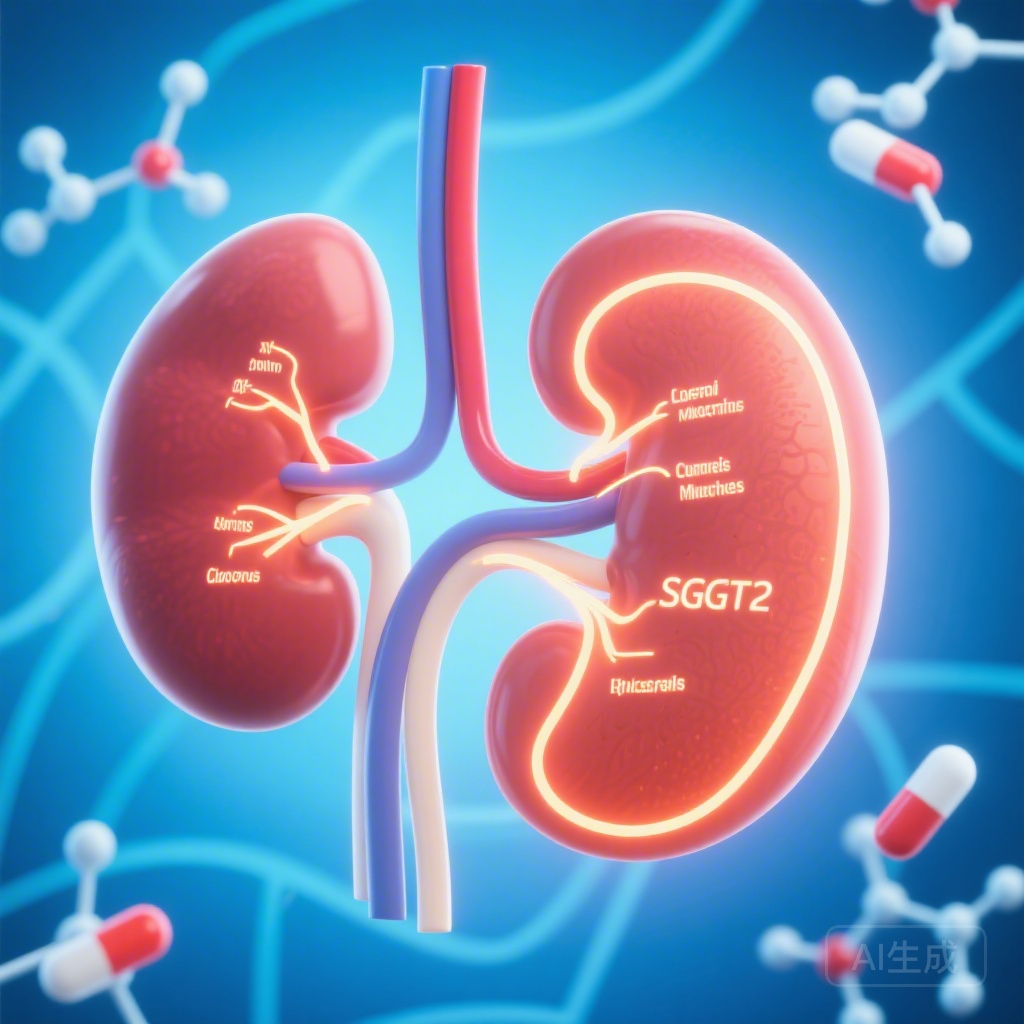
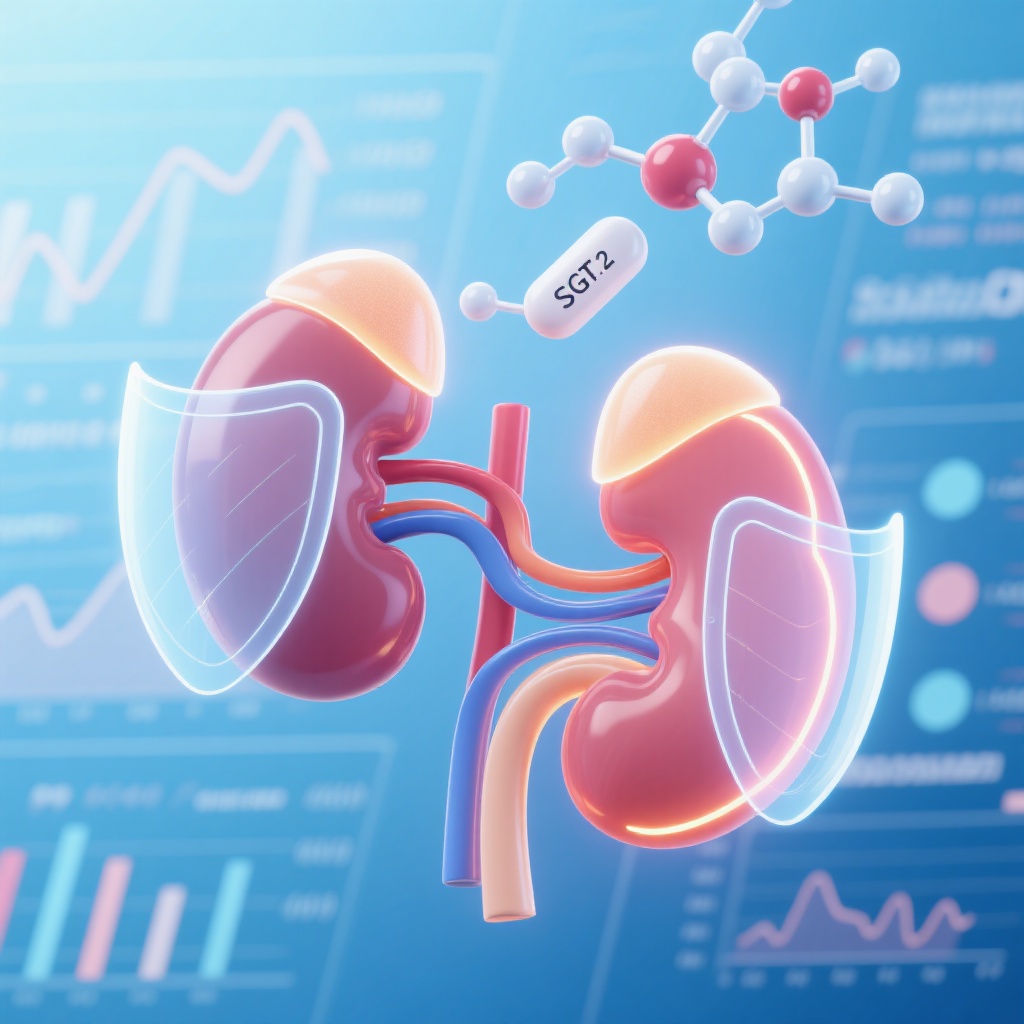
SGLT2 Inhibitors Linked to Lower Parkinson’s Disease Risk Than Metformin in Type 2 Diabetes: Large Real‑World TriNetX Study Signals Class Neuroprotection

SGLT2 Inhibitors Linked to Lower Parkinson’s Disease Risk Than Metformin in Type 2 Diabetes: Large Real‑World TriNetX Study Signals Class Neuroprotection

A 20‑year TriNetX analysis of 913,428 T2DM patients found SGLT2 inhibitor use associated with a 28% lower Parkinson’s disease risk versus metformin (aHR 0.72), suggesting possible superior neuroprotection and prompting need for prospective confirmation.
SGLT-2 Inhibitors and Autoimmune Rheumatic Disease Risk Reduction in Type 2 Diabetes: Insights from a Korean Nationwide Cohort

SGLT-2 Inhibitors and Autoimmune Rheumatic Disease Risk Reduction in Type 2 Diabetes: Insights from a Korean Nationwide Cohort

A large South Korean cohort study suggests that sodium-glucose cotransporter-2 (SGLT-2) inhibitors reduce the incidence of autoimmune rheumatic diseases by 11% compared to sulfonylureas in adults with type 2 diabetes, indicating potential immunomodulatory benefits of SGLT-2 inhibitors beyond glycemic control.
Comparative Efficacy and Safety of Tirzepatide, Semaglutide, and Liraglutide for Obesity Management: A Critical Review of Recent Cochrane Evidence

Comparative Efficacy and Safety of Tirzepatide, Semaglutide, and Liraglutide for Obesity Management: A Critical Review of Recent Cochrane Evidence

This article critically compares the efficacy, safety, and long-term outcomes of tirzepatide, semaglutide, and liraglutide for the treatment of obesity based on recent Cochrane systematic reviews, highlighting differences in weight loss, adverse events, cardiovascular outcomes, and evidence certainty.
Glucagon-Like Peptide-1 Receptor Agonists and Ocular Risks: A Comprehensive Review of Neovascular AMD, Diabetic Retinopathy, and Ischemic Optic Neuropathy in Diabetes

Glucagon-Like Peptide-1 Receptor Agonists and Ocular Risks: A Comprehensive Review of Neovascular AMD, Diabetic Retinopathy, and Ischemic Optic Neuropathy in Diabetes

GLP-1 receptor agonists used in diabetes show a twofold increased risk of neovascular AMD, a modest risk elevation for diabetic retinopathy, and a small but significant increased risk for nonarteritic anterior ischemic optic neuropathy, warranting careful ophthalmic monitoring.