Recent research suggests that consuming five or more eggs weekly may reduce the risks of diabetes and hypertension, offering a healthier outlook for balanced diets.
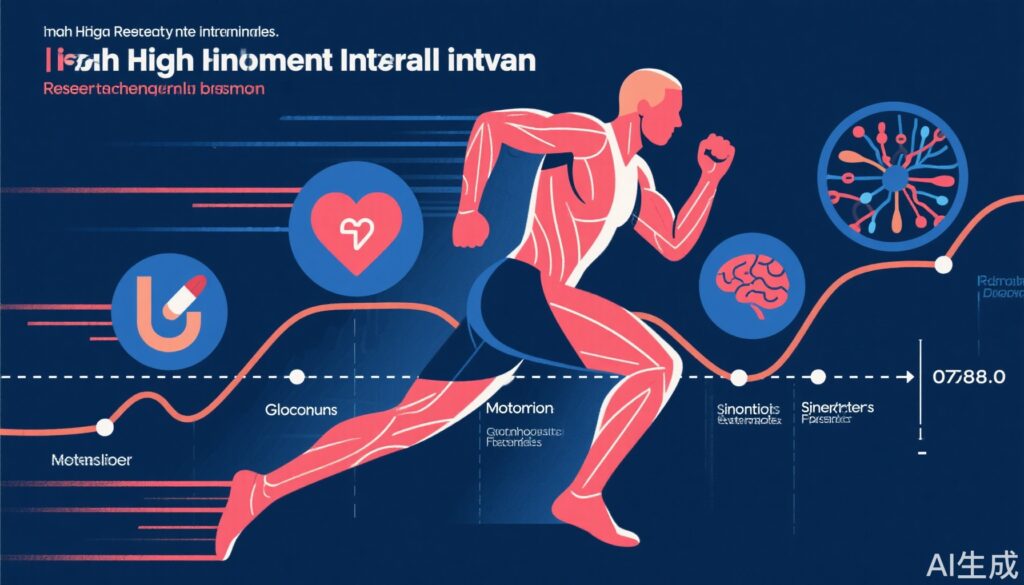
Discover how people with diabetes can exercise safely and effectively by understanding key considerations, evidence-based practices, and expert advice.
Are zero-sugar, zero-calorie drinks a dieter's dream or a hidden trap? We unpack the science, misconceptions, and practical advice for healthy weight management.
New anti-obesity medications are transforming weight management, challenging old paradigms, and raising new questions about the future of dieting and health.
A new study highlights the growing prevalence of extreme pediatric obesity in the U.S. and its association with serious metabolic and cardiovascular health risks, emphasizing the need for targeted interventions.
Scientists at KAIST have identified a unique gut-brain pathway that enables the brain to distinguish glucose from other nutrients, paving the way for novel treatments for metabolic disorders.
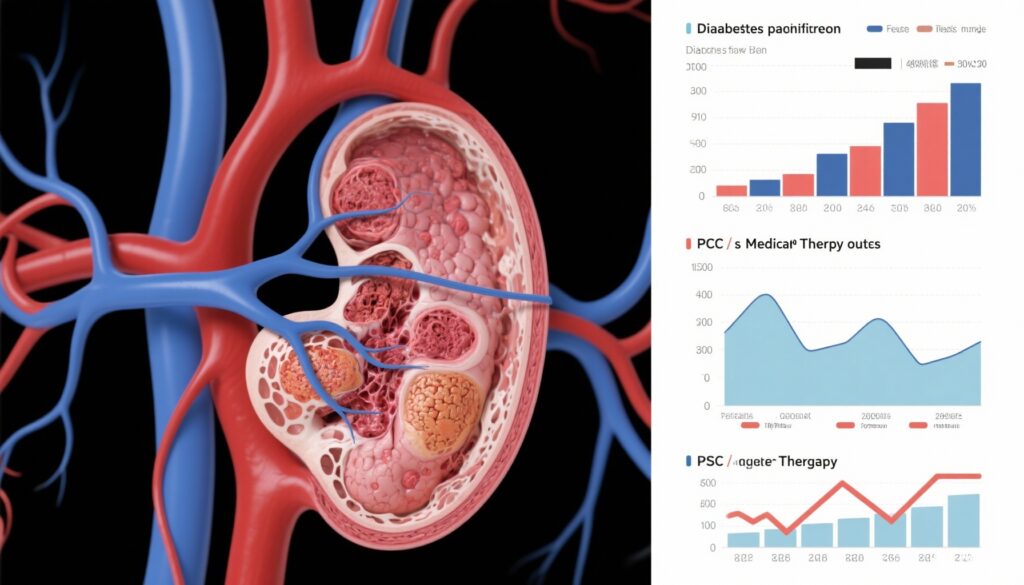
Recent research reveals glipizide, a common diabetes drug, increases cardiovascular risks compared to DPP-4 inhibitors. This challenges assumptions about sulfonylureas, urging personalized treatment considering heart health alongside glycemic control in type 2 diabetes management.