Innovative Extracorporeal Therapy Combining HLA-Depleted Liver Organoids and Granulocyte-Monocyte Apheresis for Reversal of Acute Liver Failure

Innovative Extracorporeal Therapy Combining HLA-Depleted Liver Organoids and Granulocyte-Monocyte Apheresis for Reversal of Acute Liver Failure

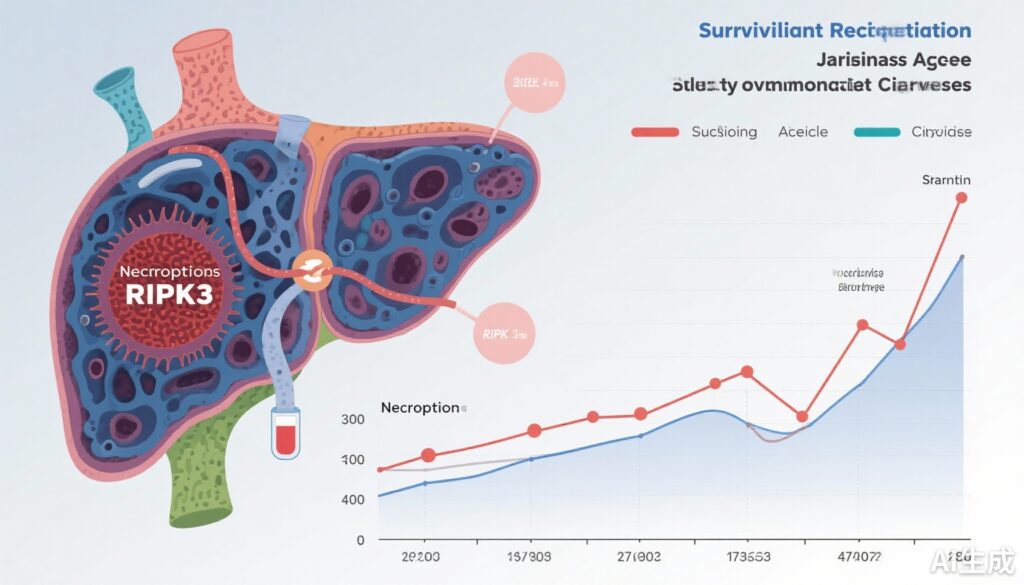
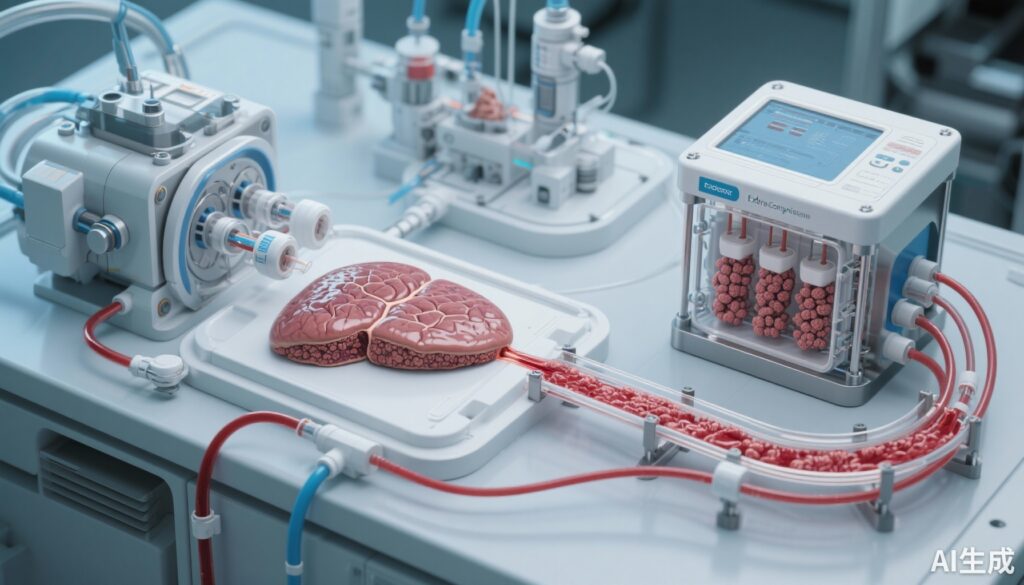
The UTOpiA system, integrating HLA-depleted iPSC-derived liver organoids with granulocyte-monocyte apheresis, significantly improves survival and liver regeneration in acute-on-chronic and acute liver failure rat models, representing a promising off-the-shelf extracorporeal liver support therapy.
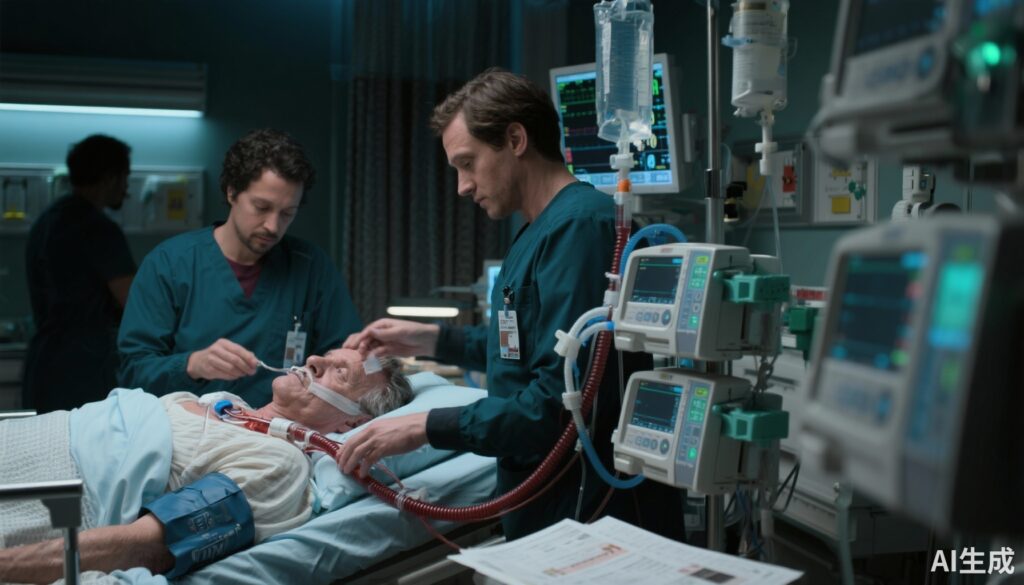
Evaluating the Cost-Effectiveness of Early In-Bed Cycling Plus Routine Physiotherapy in Mechanically Ventilated ICU Patients: Insights from the CYCLE Trial

Evaluating the Cost-Effectiveness of Early In-Bed Cycling Plus Routine Physiotherapy in Mechanically Ventilated ICU Patients: Insights from the CYCLE Trial

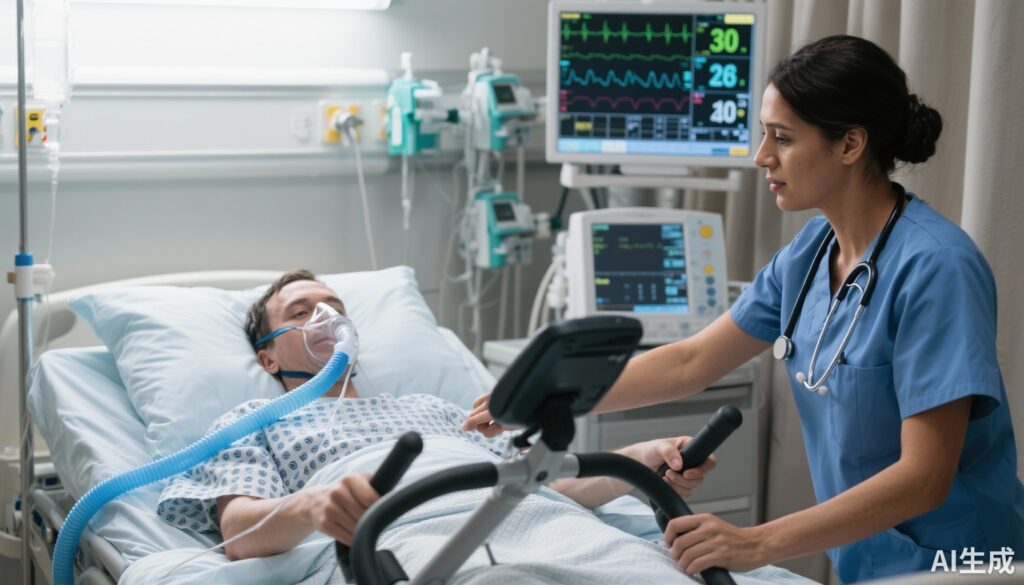
This economic evaluation from the CYCLE randomized trial found no significant cost or quality-adjusted life-year benefit by adding early in-bed cycling to usual physiotherapy for ICU patients on mechanical ventilation, underscoring a need for further research to clarify its value.
Clinical Decision Tool Integrating Decision Tree, Point-of-Care CRP Testing, and Safety Netting to Optimize Antibiotic Use in Acutely Ill Children: Evidence from the ARON Pragmatic Trial and Contextual Literature

Clinical Decision Tool Integrating Decision Tree, Point-of-Care CRP Testing, and Safety Netting to Optimize Antibiotic Use in Acutely Ill Children: Evidence from the ARON Pragmatic Trial and Contextual Literature

The ARON trial demonstrated that a clinical decision tool combining decision tree, point-of-care CRP testing, and safety-netting advice safely reduces antibiotic prescribing in acutely ill children without delaying recovery or increasing healthcare utilization.
Evaluating Cost-Effectiveness of Accelerated Versus Standard Initiation of Renal Replacement Therapy in Severe Acute Kidney Injury

Evaluating Cost-Effectiveness of Accelerated Versus Standard Initiation of Renal Replacement Therapy in Severe Acute Kidney Injury

This analysis reveals that standard initiation of kidney replacement therapy (KRT) in critically ill patients with severe acute kidney injury (AKI) offers greater quality-adjusted life years (QALYs) at an acceptable increased cost, suggesting cost-effectiveness in Canadian healthcare settings.