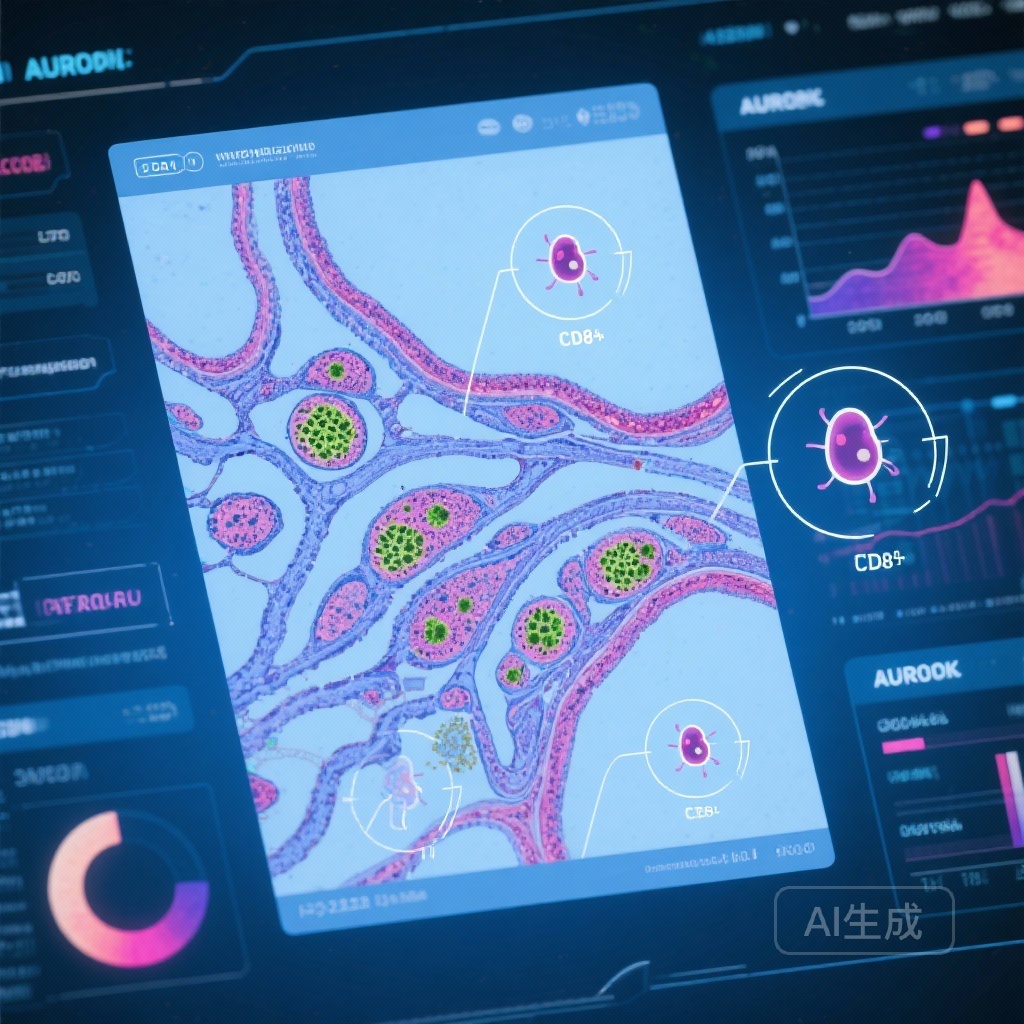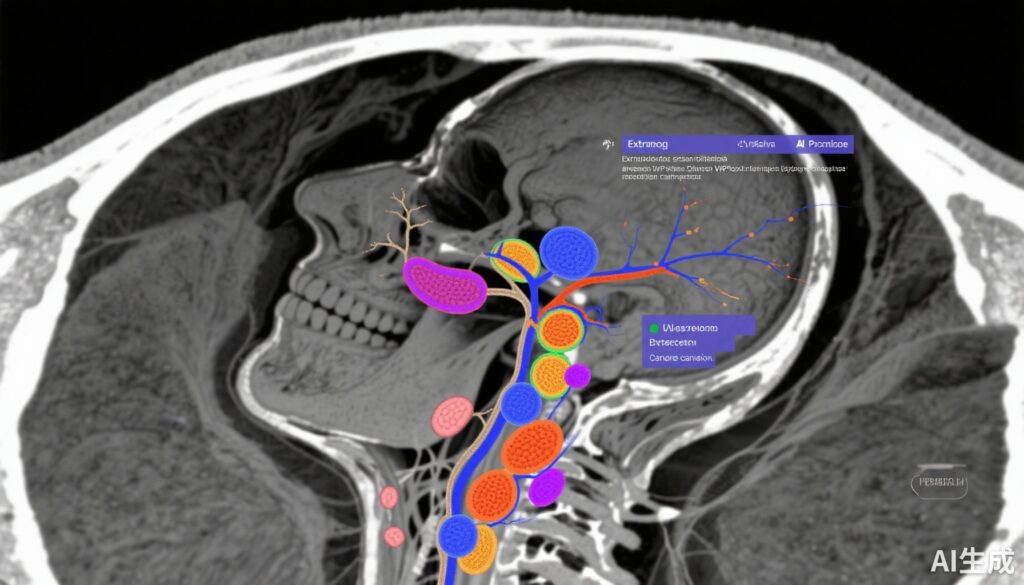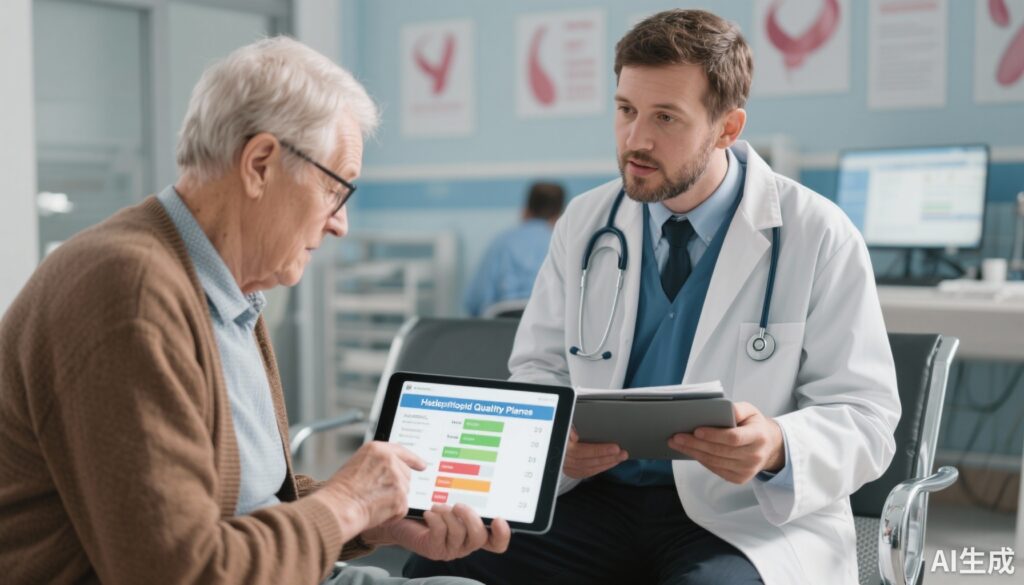
Artificial intelligence is dramatically transforming pharmaceutical R&D by accelerating drug discovery, formulation, and clinical trials, while presenting new opportunities and challenges for the industry, especially in China.
AI-enhanced ECG models, initially designed for specific cardiac diagnoses, reveal broader cardiovascular risk detection and prediction capabilities, challenging their use as condition-specific tools and supporting their role as comprehensive cardiovascular biomarkers.
AI holds promise to alleviate peer review challenges, improving efficiency and quality while preserving human oversight to ensure fairness and integrity in scientific publishing.
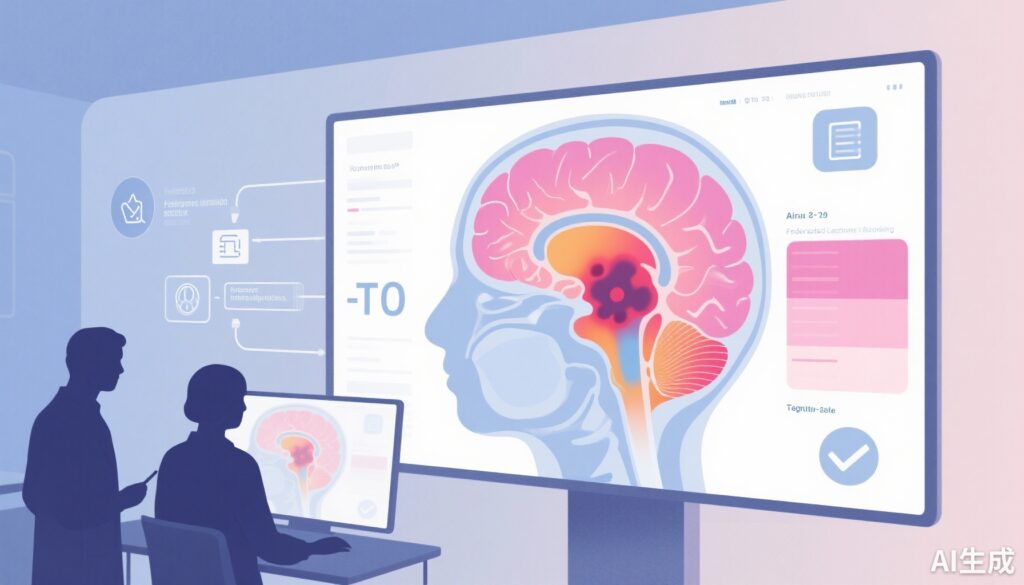
A multidisciplinary Chinese team has developed an AI-driven MRI-pathology foundation model that enables accurate, non-invasive diagnosis and grading of prostate cancer, significantly improving clinical decision-making and reducing unnecessary biopsies.
Mobile app-assisted screening in primary care settings identified new heart failure cases in one-third of at-risk patients, especially those with preserved ejection fraction, highlighting a promising route for early diagnosis.
A study comparing large language model-generated versus physician-generated discharge summaries found comparable quality and safety, suggesting AI-assisted documentation could reduce clinical burden without compromising patient care.
A randomized trial assessing AI-generated study materials revealed no significant impact on pharmacy students’ objective structured clinical examination scores or test anxiety levels, highlighting the need for further research on long-term educational outcomes.
A 16-week randomized trial demonstrates that AI chatbots with high-social-cue design significantly reduce depression and anxiety symptoms in college students compared to text-only chatbots, improving adherence, satisfaction, and therapeutic alliance.
This study compares ChatGPT-4o and family physicians in answering 200 common primary care questions, revealing AI’s superior performance in appropriateness, accuracy, comprehensiveness, and empathy, highlighting its potential in enhancing primary care.
This RCT assessed a proactive e-health intervention for patients with at-risk alcohol use and depressive symptoms, showing high adherence but only small, non-significant improvements at 12 months and no lasting effects at 24 months.
A tailored, app-supported exercise program delivered via mobile health significantly improves core ADHD symptoms and executive functions in children, demonstrating comparable effectiveness to traditional face-to-face exercise guidance.
Japan’s Aichi Prefecture proposes a new ordinance limiting daily smartphone use to two hours, citing research that excessive social media use causes eye fatigue and physiological distress, especially among youth.
Virtual reality (VR) interventions show promise in mitigating preoperative anxiety, with clinical trials and meta-analyses indicating moderate but significant anxiolytic effects across surgical populations, especially in cardiac surgery and pediatric patients.
The SMART-BP trial demonstrates that a mobile app providing tailored feedback significantly improves systolic blood pressure reduction and drug adherence compared to self-monitoring alone, highlighting innovative digital solutions in hypertension management.
Recent studies reveal that human reviewers struggle to differentiate AI-generated medical documents from human-authored texts, with AI often producing higher-quality personal statements that influence evaluation outcomes.
This review synthesizes evidence on mobile digital therapeutics targeting vasomotor and behavioral health symptoms in menopausal and midlife women, highlighting efficacy, engagement, and implications for scalable symptom management.
This review synthesizes evidence from a multicenter RCT showing ALM-003 digital therapeutic reduces heavy drinking days significantly in alcohol-dependent individuals at high risk, with an excellent safety profile.
The BRIGHT trial evaluates AspyreRx, a digital cognitive behavioral therapy, for enhancing glycemic control in type 2 diabetes patients with residual hyperglycemia on stable medical therapy, focusing on efficacy, safety, and real-world applicability.