Highlights
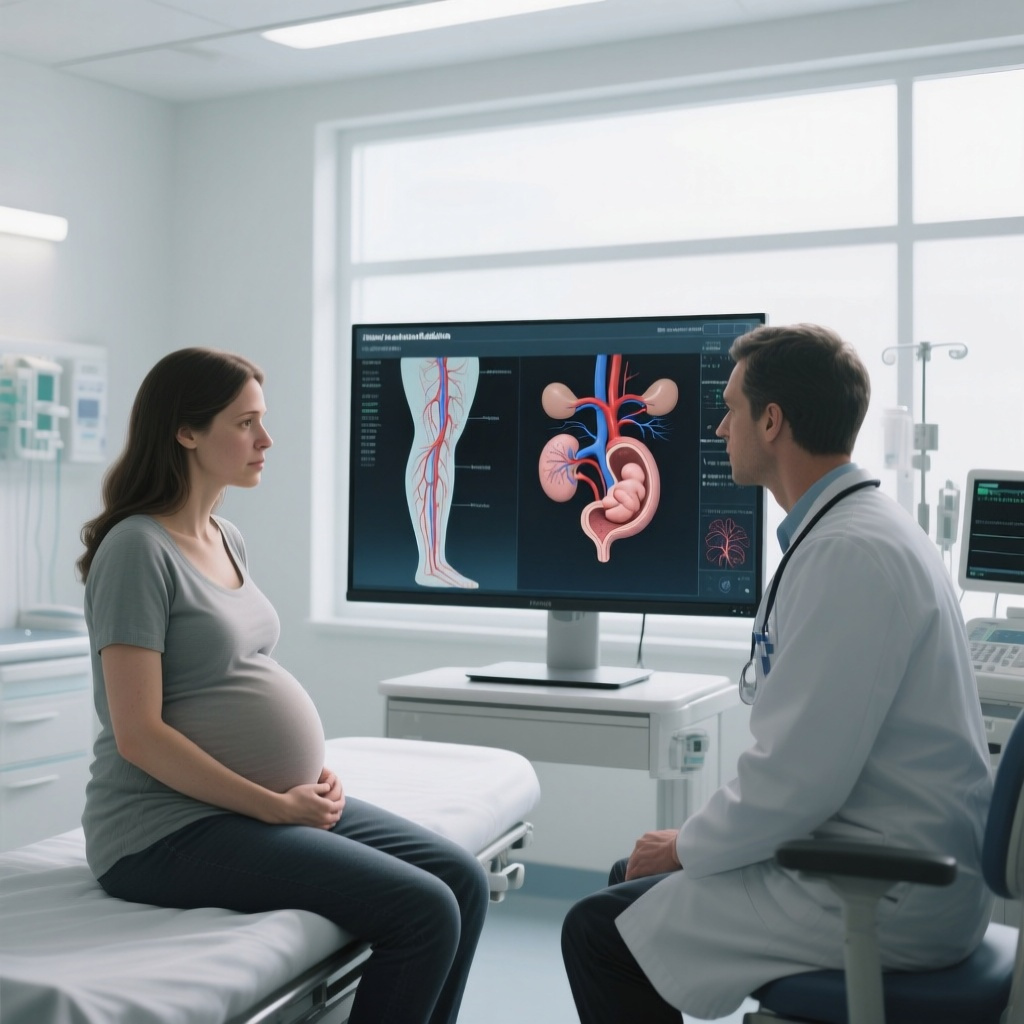
This nationwide cross-sectional study from the Netherlands found that pregnancy in women with peripheral vascular malformations is commonly accompanied by worsening of malformation-related symptoms and a substantial risk of postpartum hemorrhage.
Nearly half of women reported symptom worsening during pregnancy, and a similar proportion reported an increase in lesion volume. Arteriovenous malformation subtype, genital involvement, and prior puberty-related progression emerged as independent predictors of symptom exacerbation.
Postpartum hemorrhage occurred in 19.6% of births overall, and the rate was particularly high when the vascular malformation involved the uterus or genital region.
Venous thromboembolism was not broadly distributed across the cohort; deep venous thrombosis and pulmonary embolism were confined to women with extensive malformations involving the lower extremities, predominantly those with Klippel-Trenaunay syndrome.
Background
Peripheral vascular malformations are congenital anomalies of vascular development that may involve venous, lymphatic, capillary, arteriovenous, or combined lesions. Their clinical behavior is heterogeneous, ranging from limited cosmetic or pain-related morbidity to extensive disease associated with bleeding, thrombosis, tissue overgrowth, and functional impairment. In women of reproductive age, pregnancy raises specific concerns because profound hemodynamic and hormonal changes may alter lesion size, symptoms, and complication risk.
Despite this biologic plausibility, the evidence base guiding obstetric management in women with vascular malformations has been limited. Most published data have come from case reports, small series, or syndrome-specific literature, particularly in Klippel-Trenaunay syndrome. As a result, clinicians often rely on individualized judgment rather than robust risk estimates when counseling women about fertility, pregnancy planning, thromboprophylaxis, mode of birth, and hemorrhage preparedness.
The study by de Oliveira Marreiros and colleagues addresses an important knowledge gap by examining pregnancy and birth outcomes in a nationwide cohort of women with peripheral vascular malformations. Its practical value lies not only in reporting event rates, but also in identifying subgroups at particularly high risk.
Study Design
Design and setting
This was a nationwide cross-sectional study conducted through a tertiary referral centre and the Dutch national patient organisation. The design relied on patient-reported questionnaire data, an appropriate strategy for capturing reproductive histories across a rare-disease population dispersed nationally.
Population
Eligible participants were women aged 15 years or older with a diagnosis of peripheral vascular malformation of any subtype or anatomical location. A total of 206 women completed the questionnaire. Of these, 108 had experienced pregnancy, contributing 248 pregnancies and 204 births, while 98 participants were nulligravid.
Exposure and outcomes
The study focused on pregnancy and birth in women with vascular malformations rather than comparing exposed and unexposed cohorts. The main outcomes were prevalence of complications, specifically worsening of vascular-malformation-related symptoms during pregnancy, deep venous thrombosis, pulmonary embolism, and postpartum hemorrhage.
The questionnaire also assessed lesion volume increase and clinical characteristics potentially associated with pregnancy-related deterioration. Multivariable regression was used to identify independent predictors of symptom worsening during pregnancy.
Key Findings
Pregnancy-related worsening of vascular malformation symptoms was common
The most striking finding was the frequency of symptom progression during pregnancy. VM-related symptom worsening occurred in 47.6% of patients, and lesion volume increase was reported in 45.4%. These numbers indicate that clinical change during pregnancy is not a marginal phenomenon in this population; it is close to the norm.
From a pathophysiologic perspective, these observations are plausible. Pregnancy increases circulating blood volume, venous capacitance, and pelvic venous pressure, while hormonal shifts may promote vascular distensibility and tissue edema. In venous and combined malformations, these changes could worsen pain, swelling, congestion, and thrombosis tendency. In arteriovenous lesions, increased flow states may be especially relevant.
Independent predictors of symptom worsening
Three variables remained independently associated with worsening of VM-related symptoms during pregnancy in multivariable analysis:
AVM subtype was associated with a fourfold increase in odds of symptom worsening (OR 4.0, 95% CI 1.0-15.1). Although the confidence interval is wide and touches the threshold of significance, the estimate is clinically coherent, given the flow-sensitive nature of arteriovenous malformations.
Genital region involvement was another strong predictor (OR 4.6, 95% CI 1.5-13.8). This is perhaps the most clinically actionable result in the paper, because anatomic involvement of the genital tract or adjacent pelvic region should be identifiable before conception or early in pregnancy and can directly inform counseling, imaging strategy, and delivery planning.
A history of puberty-related symptom progression also independently predicted symptom worsening in pregnancy (OR 2.6, 95% CI 1.1-6.2). This finding suggests that prior hormonally associated lesion behavior may offer a simple historical marker for future pregnancy-related instability.
Taken together, these predictors support a risk-stratified counseling model. Women with AVMs, genital involvement, or previous lesion progression during puberty may warrant particularly close surveillance during gestation.
Postpartum hemorrhage was frequent, especially with uterine or genital involvement
Postpartum hemorrhage occurred in 19.6% of births. This rate is substantially higher than typical background rates in general obstetric populations, although exact comparisons vary depending on the definition used, the setting, and whether vaginal or cesarean births predominate. Even allowing for definitional differences, a near-20% rate clearly signals a clinically important excess risk.
The hemorrhage risk was not evenly distributed. Among women with uterine involvement of the vascular malformation, postpartum hemorrhage occurred in 63.6% of births. In those with genital involvement, the rate was 47.8%. These are very high absolute risks and strongly suggest that lesion location matters at least as much as lesion subtype.
These findings have direct implications for obstetric planning. Patients with known uterine or genital tract involvement should likely be managed as hemorrhage-prone pregnancies, ideally with multidisciplinary input from maternal-fetal medicine, anesthesiology, interventional radiology when available, and clinicians experienced in vascular anomalies. Delivery should occur in settings with ready access to blood products, uterotonic agents, and advanced hemorrhage control.
Venous thromboembolism appeared concentrated in a specific high-risk phenotype
Deep venous thrombosis occurred in 2.5% of total pregnancies and pulmonary embolism in 0.5%. Importantly, these events occurred only in patients with extensive vascular malformations larger than 30 cm involving at least the lower extremities, predominantly in women with Klippel-Trenaunay syndrome.
This nuance is central to interpretation. The study does not suggest that all pregnant women with vascular malformations carry markedly elevated thromboembolic risk. Instead, risk appears concentrated in a distinct subgroup characterized by extensive lower-extremity involvement. That distinction matters because indiscriminate thromboprophylaxis could expose lower-risk patients to unnecessary bleeding without clear benefit, especially in a population already vulnerable to postpartum hemorrhage.
The reported thrombosis pattern aligns with prior literature on Klippel-Trenaunay syndrome, in which venous ectasia, persistent embryonic veins, valvular insufficiency, localized intravascular coagulopathy, and impaired venous return contribute to thrombosis risk. Pregnancy may further amplify these mechanisms through venous stasis and hypercoagulability.
Clinical Interpretation
What this study adds to current practice
The study provides three clinically useful messages.
First, symptom progression during pregnancy is common enough that women with vascular malformations should be counseled about this possibility routinely, not only when disease appears extensive. This is particularly important for pain, swelling, and perceived lesion enlargement, which may affect quality of life and functional status even when they do not translate into major obstetric events.
Second, hemorrhage risk deserves prominent attention, especially when the lesion involves the genital tract or uterus. In such cases, antenatal planning should include delivery-site selection, blood bank preparation, and a low threshold for imaging or specialist consultation when anatomy is uncertain.
Third, thromboembolic risk assessment should be individualized. The data point toward concentrated risk in women with extensive lower-extremity malformations, rather than a uniform risk elevation across all vascular-malformation subtypes and locations.
Implications for antenatal counseling and delivery planning
For preconception counseling, clinicians should characterize lesion subtype, anatomical extent, prior hormonal responsiveness, and any history of thrombosis or bleeding. A history of worsening during puberty may serve as a practical clue to pregnancy susceptibility.
During pregnancy, women with genital, pelvic, or uterine involvement may benefit from referral to a tertiary center familiar with both complex obstetrics and vascular anomalies. Imaging may be useful when physical examination does not adequately define extent, although modality choice should be individualized.
At delivery, preparedness should be proportionate to lesion location and prior history. The study does not establish a single preferred mode of delivery, but it does strengthen the rationale for planned rather than ad hoc intrapartum care in high-risk anatomical subgroups.
Strengths and Limitations
Strengths
This study leverages nationwide recruitment in a rare disease, which is a major strength. Rare congenital vascular disorders are difficult to study prospectively at scale, and assembling more than 200 women with a broad range of subtypes is a notable achievement. The inclusion of both obstetric outcomes and lesion-specific symptom trajectories makes the results especially relevant to real-world counseling.
Another strength is the effort to move beyond descriptive prevalence by using multivariable regression to identify independent predictors of symptom worsening. Even though estimates are imprecise, this analytic step begins to define a clinically meaningful risk profile.
Limitations
The cross-sectional design imposes important constraints. Outcomes were collected retrospectively through questionnaires, so recall bias is unavoidable, particularly for symptom changes and obstetric details from remote pregnancies. Patients who experienced severe or memorable complications may also have been more motivated to participate, potentially inflating complication estimates.
The lack of a concurrent control group limits formal comparison with the general obstetric population. Although some findings, especially the postpartum hemorrhage rates in uterine or genital involvement, appear clearly elevated, exact excess risk cannot be quantified from this study alone.
Phenotypic heterogeneity is another challenge. Peripheral vascular malformations encompass diverse lesions with distinct hemodynamics and risk profiles. Even within the categories used here, subgroup numbers were likely small, contributing to wide confidence intervals. The AVM estimate, for example, is clinically suggestive but statistically imprecise.
Finally, management details such as anticoagulation use, imaging approaches, delivery mode, anesthesia decisions, and hemorrhage-control interventions were not emphasized in the abstract. These factors could modify outcomes and are highly relevant for translation into practice.
How the Findings Fit With Existing Literature
The concentration of thromboembolic events in extensive lower-extremity disease, especially Klippel-Trenaunay syndrome, is consistent with previous syndrome-focused reports and reviews. Published literature has long recognized venous thromboembolism as a major concern in Klippel-Trenaunay syndrome, particularly during physiologic stressors such as surgery, immobility, and pregnancy.
The hemorrhage signal is also biologically credible and clinically familiar from case-based obstetric literature involving pelvic, vulvar, vaginal, and uterine vascular anomalies. What this study contributes is a broader population-based estimate showing that the risk is not merely theoretical and that it is sharply amplified by uterine or genital involvement.
The symptom-worsening data also help formalize a phenomenon that clinicians may have observed anecdotally: pregnancy often aggravates lesion-related discomfort and enlargement, but the degree of risk varies by subtype and hormonal history.
Expert Commentary
For clinicians, the most useful takeaway is not that all women with vascular malformations face the same pregnancy risk, but that careful phenotyping matters. The study supports a practical hierarchy of concern: hemorrhage risk with uterine or genital involvement, thromboembolism risk with extensive lower-extremity disease, and symptom progression in nearly half of pregnancies overall.
These distinctions can improve the quality of preconception counseling. Women with localized lesions and no high-risk anatomic features may be reassured that catastrophic events are not inevitable, while still being informed that symptom worsening is common. Conversely, women with pelvic, genital, uterine, or extensive lower-extremity lesions should likely be counseled in specialized settings where maternal-fetal medicine, vascular anomaly expertise, hematology, anesthesia, and interventional services can be coordinated.
Future studies should ideally be prospective and should capture lesion imaging, anticoagulation strategy, delivery mode, blood loss definitions, neonatal outcomes, and patient-reported quality of life. A registry-based approach across multiple countries may be the most realistic pathway to higher-quality evidence in this rare population.
Conclusion
This nationwide Dutch study provides important evidence that pregnancy in women with peripheral vascular malformations is associated with meaningful maternal morbidity, particularly postpartum hemorrhage and worsening of lesion-related symptoms. Nearly half of patients reported symptom progression, and postpartum hemorrhage affected roughly one in five births overall, with markedly higher rates when the uterus or genital region was involved.
At the same time, venous thromboembolism does not appear uniformly elevated across all vascular malformations. Instead, risk seems concentrated in women with extensive lower-extremity lesions, predominantly Klippel-Trenaunay syndrome. The clinical message is therefore one of targeted vigilance rather than blanket alarm.
In practice, preconception assessment should define subtype, location, extent, prior hormonal responsiveness, and thrombosis history. Pregnancy and delivery planning should be individualized, with special emphasis on hemorrhage preparedness for uterine or genital involvement and thrombosis prevention strategies for extensive lower-extremity disease. The study moves the field toward more evidence-based counseling, while underscoring the need for prospective, multidisciplinary research.
Funding and ClinicalTrials.gov
The abstract provided does not report a funding source or a ClinicalTrials.gov registration number. Because this was a nationwide cross-sectional questionnaire study rather than an interventional trial, ClinicalTrials.gov registration may not have been applicable.
Citation
de Oliveira Marreiros DJ, Lokhorst MM, Horbach SER, Stor MLE, van Hout N, Gerdes VEA, Ganzevoort W, van der Horst CMAM. Complications of Pregnancy and Birth in Women With Vascular Malformations: A Nationwide Cross-Sectional Study. BJOG: An International Journal of Obstetrics and Gynaecology. 2026-03-07;133(7):1493-1501. PMID: 41795173. URL: https://pubmed.ncbi.nlm.nih.gov/41795173/
Selected References
de Oliveira Marreiros DJ, Lokhorst MM, Horbach SER, Stor MLE, van Hout N, Gerdes VEA, Ganzevoort W, van der Horst CMAM. Complications of Pregnancy and Birth in Women With Vascular Malformations: A Nationwide Cross-Sectional Study. BJOG. 2026;133(7):1493-1501.
International Society for the Study of Vascular Anomalies. ISSVA classification for vascular anomalies. Widely used framework for clinical classification and phenotyping of vascular malformations.
Jacob AG, Driscoll DJ, Shaughnessy WJ, Stanson AW, Clay RP, Gloviczki P. Klippel-Trenaunay syndrome: spectrum and management. Mayo Clinic Proceedings. 1998;73(1):28-36.
Gloviczki P, Driscoll DJ. Klippel-Trenaunay syndrome: current management. Phlebology literature and vascular surgery reviews have consistently emphasized thromboembolic risk in extensive venous malformations and persistent embryonic veins.
Royal College of Obstetricians and Gynaecologists. Prevention and management of postpartum haemorrhage. Guideline documents remain relevant for hemorrhage planning, although they are not specific to vascular malformations.