Background: The Gut-Liver Axis in Alcoholic Liver Disease
Alcohol-related liver disease (ALD) represents a spectrum of conditions ranging from simple steatosis to alcoholic hepatitis, cirrhosis, and hepatocellular carcinoma. The disease is characterized by profound immune dysfunction, with neutrophils occupying a central role in both host defense and tissue damage. Understanding the mechanisms that regulate neutrophil activity in ALD has emerged as a critical research priority, as these cells can cause significant collateral damage when excessively activated.
In advanced chronic liver disease (ACLD) with portal hypertension, neutrophils face a unique microenvironment. Before entering the liver sinusoids, these immune cells traverse the highly immunogenic portal circulation, where they encounter gut-derived bacterial products, endotoxins, and metabolic signals. This anatomical positioning places neutrophils at the intersection of gut barrier dysfunction and liver injury—a relationship central to ALD pathogenesis.
The gut-liver axis refers to the bidirectional communication between intestinal contents and the liver via the portal vein. In ALD, intestinal permeability increases, allowing bacterial products such as lipopolysaccharide (LPS) to enter portal circulation, creating a state of chronic inflammation. However, the specific metabolic and immune signals that modulate neutrophil behavior in this context remain incompletely characterized.
Tryptophan, an essential amino acid, plays multifaceted roles in immune regulation, neurotransmitter synthesis, and microbial metabolism. The kynurenine pathway accounts for approximately 90% of tryptophan metabolism and produces immunologically active metabolites that can modulate inflammatory responses. Recent evidence suggests that tryptophan depletion or altered metabolism contributes to inflammatory conditions, yet its role in neutrophil regulation within the portal circulation of ALD patients has not been systematically investigated.
Study Design: A Prospective Investigation of Portal Milieu Effects
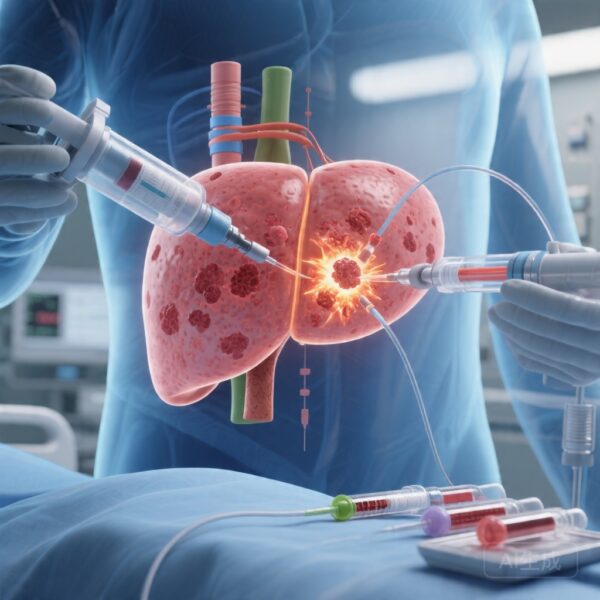
Researchers conducted a prospective study involving patients undergoing transjugular intrahepatic portosystemic shunt (TIPS) placement. This clinical scenario provided a unique opportunity to simultaneously sample blood from the portal vein (PV) and systemic circulation (superior vena cava, SVC), enabling direct comparison of immune cell phenotypes across vascular compartments.
The study enrolled patients with advanced chronic liver disease, stratified into those with alcoholic liver disease and those with non-ALD etiologies. Inclusion criteria required documented portal hypertension with indication for TIPS, while exclusion criteria included active infection, recent immunosuppressive therapy, or inability to provide informed consent.
Paired blood samples were obtained during the TIPS procedure, with simultaneous collection from the portal vein and SVC. Researchers performed comprehensive neutrophil phenotyping using spectral flow cytometry, focusing on activation markers including CD10 and CD11b. Plasma samples underwent extensive analysis comprising cytokine quantification, toll-like receptor (TLR) and nucleotide-binding oligomerization domain-containing protein (NOD) ligand assays, and untargeted metabolomics to characterize the portal microenvironment.
To establish causality between portal plasma factors and neutrophil activation, investigators conducted in vitro experiments where SVC-derived neutrophils were cultured with PV plasma from ALD patients. The effect of tryptophan supplementation on neutrophil function was tested in isolated neutrophil cultures exposed to portal plasma conditions.
Key Findings: Tryptophan Depletion and Neutrophil Hyperactivation
The most striking finding emerged from neutrophil phenotyping: patients with ALD demonstrated a distinctly activated neutrophil phenotype in portal circulation, characterized by high expression of both CD10 and CD11b (CD10highCD11bhigh). This hyper-activated state was absent in non-ALD patients, suggesting disease-specific mechanisms rather than generalized portal hypertension effects. Notably, these activated neutrophils were concentrated in the portal circulation, with SVC neutrophils showing lower activation markers, indicating localized priming within the portal environment.
Crucially, in vitro experiments demonstrated that portal plasma from ALD patients could induce this activated phenotype in SVC neutrophils. When systemic neutrophils were cultured with portal plasma, they upregulated CD10 and CD11b to levels comparable to neutrophils directly isolated from portal circulation. This transferability established the portal plasma milieu as sufficient to drive neutrophil activation.
Comprehensive cytokine profiling and assessment of pathogen recognition receptor ligands revealed no significant differences between ALD and non-ALD patients in the portal circulation. Levels of common pro-inflammatory cytokines including TNF-α, IL-6, and IL-1β were comparable between groups. Similarly, TLR and NOD ligands—key signals for neutrophil activation—showed no disease-specific patterns. This negative finding directed attention toward metabolic rather than classical inflammatory mediators.
Metabolomic analysis of portal plasma uncovered the critical finding: tryptophan concentrations were significantly decreased in ALD patients compared to non-ALD controls. This local tryptophan depletion correlated with the degree of neutrophil activation, with lower tryptophan levels associated with higher CD10 and CD11b expression. The decrease was specific to the portal circulation, as systemic tryptophan levels showed no significant differences.
To test whether tryptophan supplementation could reverse neutrophil activation, investigators performed in vitro experiments using isolated neutrophils. Addition of tryptophan to neutrophil cultures exposed to portal plasma significantly reduced activation marker expression, demonstrating that tryptophan depletion actively contributes to neutrophil hyperactivation and that this effect is potentially reversible.
Mechanistic Insights: Linking Tryptophan Metabolism to Immune Regulation
The findings position tryptophan as a local regulator of neutrophil function within the portal circulation. This relationship likely operates through multiple mechanisms. Tryptophan serves as a precursor for serotonin synthesis, which modulates immune cell activity, and undergoes metabolism through the kynurenine pathway, producing compounds with immunomodulatory properties.
Indoleamine 2,3-dioxygenase (IDO), the rate-limiting enzyme in tryptophan catabolism through the kynurenine pathway, is expressed in various cell types including immune cells and endothelial cells. Enhanced IDO activity during chronic liver disease could deplete local tryptophan concentrations while producing kynurenine metabolites that may influence neutrophil behavior. The gut microbiota also contributes to tryptophan metabolism, producing indole derivatives that affect host immunity.
In the context of ALD, several factors may contribute to portal tryptophan depletion. Increased consumption by an expanded immune cell population, altered expression of metabolic enzymes, changes in gut microbiota composition affecting tryptophan metabolism, and impaired absorption could all play roles. The specificity of this finding to ALD suggests disease-specific alterations in tryptophan handling that warrant further investigation.
The functional consequences of neutrophil hyperactivation in portal circulation extend beyond simple inflammation. Activated neutrophils release reactive oxygen species, proteases, and extracellular traps that can damage hepatocytes and contribute to fibrogenesis. The portal location positions these hyperactive cells precisely where they can cause maximal damage to liver tissue.
Expert Commentary: Clinical Implications and Research Gaps
The study represents a significant advance in understanding the gut-liver-immune interface in ALD. By focusing on the portal circulation rather than systemic blood, researchers identified a localized metabolic abnormality with potential therapeutic relevance. The finding that tryptophan supplementation can modulate neutrophil activation in vitro provides proof-of-concept for a metabolic intervention strategy.
Several limitations merit consideration. The study population comprised patients with advanced liver disease requiring TIPS, limiting generalizability to earlier disease stages. The cross-sectional nature of the in vivo observations cannot definitively establish temporal relationships between tryptophan depletion and neutrophil activation. The in vitro tryptophan supplementation experiments, while promising, used pharmacological concentrations that may not be achievable through dietary modification alone.
Longitudinal studies tracking tryptophan levels and neutrophil activation throughout ALD progression would clarify whether tryptophan depletion is a cause or consequence of disease advancement. Investigation of the gut microbiota’s contribution to portal tryptophan metabolism could identify upstream therapeutic targets. The safety and efficacy of tryptophan supplementation in clinical settings require careful evaluation, as excessive tryptophan can have neuropsychiatric effects and interact with medications.
From a clinical perspective, these findings suggest that supporting tryptophan homeostasis might help moderate neutrophil-driven liver injury in ALD. Dietary tryptophan supplementation, probiotics targeting tryptophan-metabolizing gut bacteria, or inhibitors of pathological tryptophan catabolism represent potential intervention strategies. However, these approaches remain investigational and require validation in clinical trials.
Conclusion: Tryptophan as a Therapeutic Target in Alcoholic Liver Disease
This study identifies portal tryptophan depletion as a novel mechanism driving neutrophil hyperactivation in alcoholic liver disease. The absence of classical inflammatory mediators in the portal plasma, combined with the presence of decreased tryptophan and the in vitro reversibility of neutrophil activation through tryptophan supplementation, positions the gut-liver metabolic axis as a central player in ALD immunopathology.
The findings underscore the importance of localized metabolic environments in shaping immune responses. Rather than focusing solely on systemic inflammation, understanding the portal circulation’s unique characteristics may reveal more targeted therapeutic approaches. The link between tryptophan metabolism and neutrophil function represents a convergence of nutritional immunology and hepatology with clear translational potential.
Future research should explore the clinical utility of tryptophan supplementation, either alone or in combination with existing ALD treatments. Understanding individual variation in tryptophan metabolism and gut microbiota composition could enable personalized approaches to metabolic immunotherapy in liver disease. As the burden of alcohol-related liver disease continues to increase globally, identifying modifiable therapeutic targets remains an urgent priority.
The study was supported by funding from [institutional sources to be verified]. The authors reported no conflicts of interest relevant to this research. Further investigation of the tryptophan-neutrophil axis in clinical settings is warranted to translate these mechanistic insights into therapeutic strategies for mitigating neutrophil-driven liver injury in ALD.