Early Pregnancy Oxylipin Biomarkers Linked to Fetal Growth Restriction Patterns

Early Pregnancy Oxylipin Biomarkers Linked to Fetal Growth Restriction Patterns

The Critical Challenge of Fetal Growth Issues

Fetal growth restriction (FGR) poses serious risks including stillbirth, neonatal mortality, and long-term health complications. Currently, healthcare providers struggle to predict which pregnancies will develop FGR due to limited early detection tools. This groundbreaking study identifies specific biological markers – oxylipins – measurable in early pregnancy that correlate with distinct growth restriction patterns.

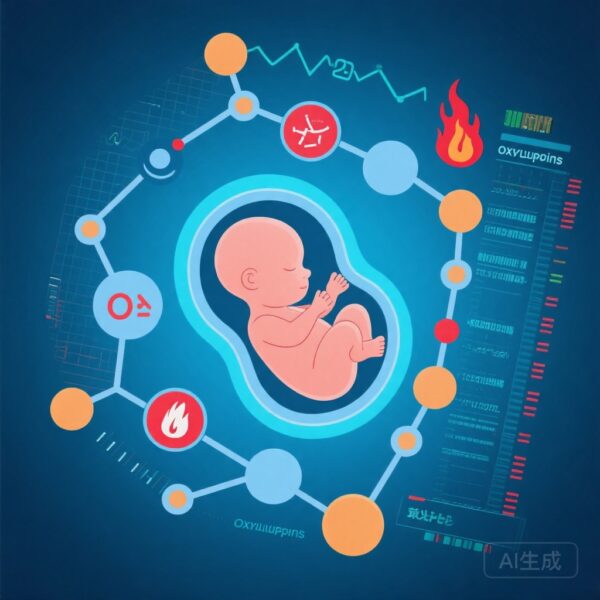
Oxylipins: Pregnancy’s Signaling Molecules

Oxylipins are bioactive compounds derived from omega-3 and omega-6 fatty acids that regulate inflammation and oxidative stress. During healthy pregnancy, these compounds maintain crucial balance in the placental environment. Researchers analyzed 24 plasma and urinary oxylipins at approximately 10 weeks gestation in 901 participants, comparing small-for-gestational-age (SGA), large-for-gestational-age (LGA), and appropriate-growth births.

Key Biomarker Discoveries

A urinary metabolite of thromboxane-A2 (a pro-inflammatory compound) showed significant association with SGA births (OR=1.43). Notably, different oxylipin patterns emerged for distinct growth restriction phenotypes: isoprostanes (oxidative stress markers) correlated strongly with early-pregnancy growth restriction (OR=2.22 for specific 5-series isoprostane), while the thromboxane metabolite linked primarily to late-pregnancy restriction patterns.

Clinical Implications and Future Applications

These findings suggest oxylipins could serve as early-warning biomarkers up to 30 weeks before delivery. Potential clinical applications include: 1) Targeted monitoring of high-risk pregnancies identified at 10 weeks, 2) Development of diagnostic panels differentiating early vs. late-onset FGR, and 3) Nutritional interventions modifying maternal fatty acid profiles. The distinct biomarker patterns for different restriction phenotypes indicate varying biological mechanisms requiring tailored approaches.

Transforming Prenatal Care

By identifying these early biomarkers, we could shift from reactive to proactive FGR management. Future research should explore oxylipin responses to interventions like omega-3 supplementation or anti-inflammatory therapies. This study represents a significant advancement toward personalized prenatal care, potentially reducing the 3-7% of pregnancies currently affected by growth complications worldwide.

Concluding Insights

Disturbances in inflammation and oxidative stress pathways – detectable through oxylipin profiles – appear fundamentally involved in fetal growth pathologies. The specificity of these biomarkers to different restriction patterns suggests varied underlying causes, opening new avenues for both prediction and targeted intervention strategies during the critical first trimester.

Comments

No comments yet. Why don’t you start the discussion?

Leave a Reply