A concise overview of the newly developed Core Outcome Set for healthy aging in primary care—12 prioritized outcomes to standardize evaluation of health-promotion interventions and improve comparability across studies and programs.
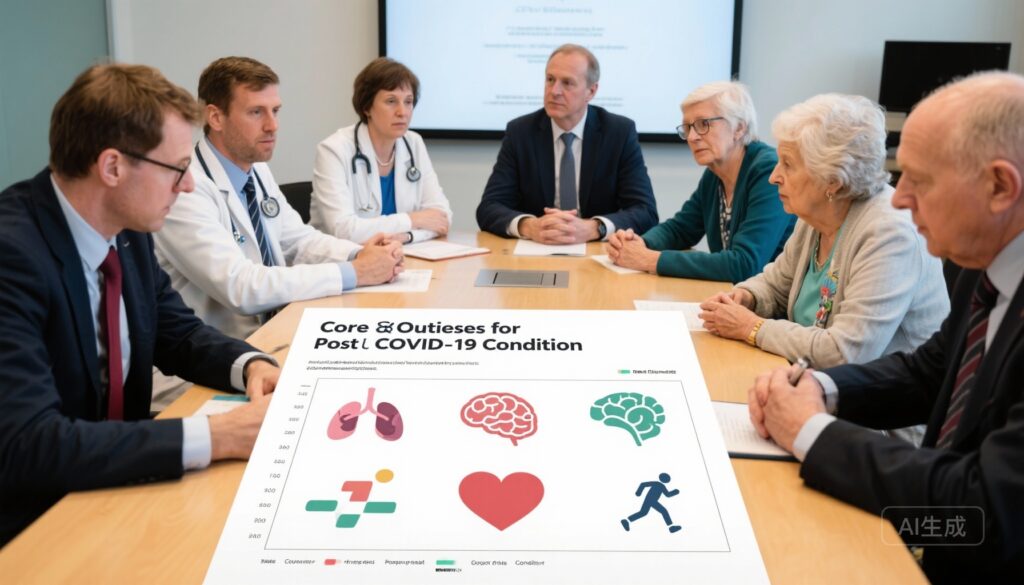
A concise guide to the newly published Core Outcome Set for Post COVID-19 Condition (COS‑PCC): the nine prioritized outcomes, recommended measurement instruments, timing considerations, and implications for research and care.
An international Delphi consensus defined a Core Outcome Measurement Set (COMS) for dengue trials to harmonise outcome selection and measurement across settings, improving comparability and evidence synthesis.
Phase 2 PLATCOV results show oral ensitrelvir accelerates SARS‑CoV‑2 clearance versus no drug and has antiviral effects close to ritonavir‑boosted nirmatrelvir, supporting further phase 3 evaluation.
An individual-patient data meta-analysis of 10,266 men shows nonlinear oncologic benefit from longer ADT with radiotherapy (diminishing beyond 9–12 months) but increasing other-cause mortality with long-term ADT; optimal duration should be individualized by risk group and competing risks.
A large international cohort externally validated the IMPACT clinical tool, demonstrating accurate prediction of incidental meningioma progression and supporting triage to early intervention, serial monitoring, or safe discharge.
This review synthesizes evidence from Rwanda's 2024 Marburg virus disease outbreak, highlighting epidemiologic characteristics, clinical presentations, investigational therapeutics, and vaccine deployment strategies that contributed to outbreak control and reduced mortality.
An 18‑month booster of the VLA15 Lyme vaccine candidate produced strong anamnestic anti‑OspA IgG responses exceeding primary‑series levels in children, adolescents, and adults, with a tolerability profile similar to primary doses.
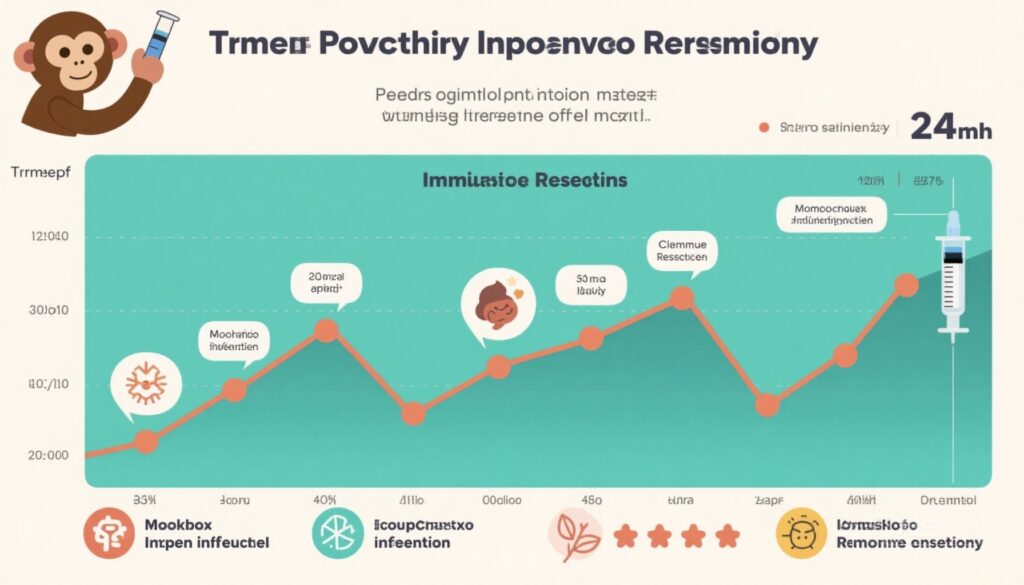
This review synthesizes 24-month follow-up data on monkeypox virus infection and MVA-BN vaccination, detailing durable immunity post-infection, comparative antibody kinetics, and clinical sequelae, informing future vaccination strategies and patient management.
In a randomized, placebo-controlled phase 1 trial in Uganda, a single intramuscular dose of ChAdOx1 RVF (adenovirus-vectored) was well tolerated and induced rapid T-cell responses and neutralising antibodies, supporting further evaluation of the 5×10^10-particle dose.
A post-hoc analysis of the BALANCE randomized trial shows that after accounting for treatment non-adherence using causal inference methods, 7 days of antibiotics for uncomplicated non‑Staphylococcus aureus bloodstream infection remains non‑inferior to 14 days for 90‑day mortality.
A nationally representative serosurvey and transmission modelling study in Bangladesh estimates low population-level JEV exposure but large numbers of infections annually; spatially targeted vaccination would be most efficient, though not cost-effective under conventional thresholds.
A nationwide French multicentre cohort (ORIGAMI) documents a substantial 2023–24 paediatric hospitalisation surge from Mycoplasma pneumoniae, identifies older age, asthma, comorbidity and erythema multiforme as ICU risk factors, and highlights stewardship and surveillance priorities.
A phase 3 immunobridging study found that a single dose of recombinant quadrivalent influenza vaccine (RIV4) induced non‑inferior HAI responses in 9–17‑year‑olds vs 18–49‑year‑olds, with a comparable safety profile and fewer solicited reactions in adolescents.
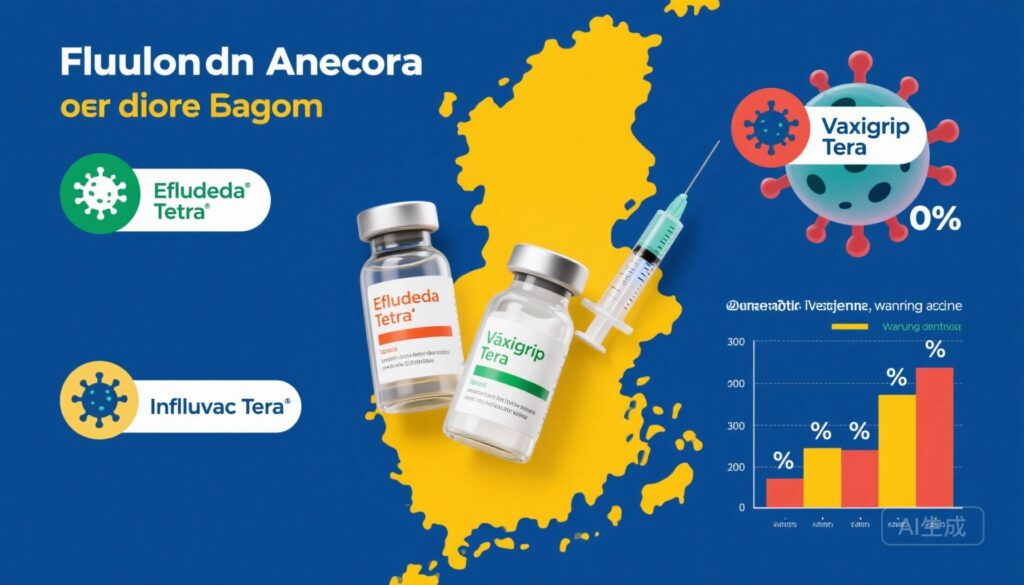
This comprehensive review synthesizes recent evidence on brand-specific influenza vaccine effectiveness (VE) among adults aged ≥65 in Denmark, Finland, and Sweden during the 2024-2025 season, underscoring heterogeneous VE profiles and the clinical impact of high-dose adjuvanted vaccines.
A Finnish registry cohort (n=913,149) found that exposure to same-grade schoolmates' self-harm modestly increased later self-harm risk (HR 1.05), with the largest effect around age 16 (HR ~1.45), suggesting time-limited social transmission modulated by developmental transitions.
A nationwide ECHO analysis found wildfire-specific PM2.5 exposure was associated with increased odds of preterm birth in the US West, with stronger effects for higher concentration, longer smoke waves, and mid-to-late pregnancy exposures.
This review evaluates the IBD-BOOST digital cognitive behavioural self-management intervention's design, trial outcomes, process evaluation, and clinical implications for managing fatigue, pain, and faecal incontinence in IBD.