Minimally Invasive Pancreatoduodenectomy Is Noninferior to Open Surgery for 90‑Day Complications but Raises Important Safety and Generalizability Questions

Minimally Invasive Pancreatoduodenectomy Is Noninferior to Open Surgery for 90‑Day Complications but Raises Important Safety and Generalizability Questions

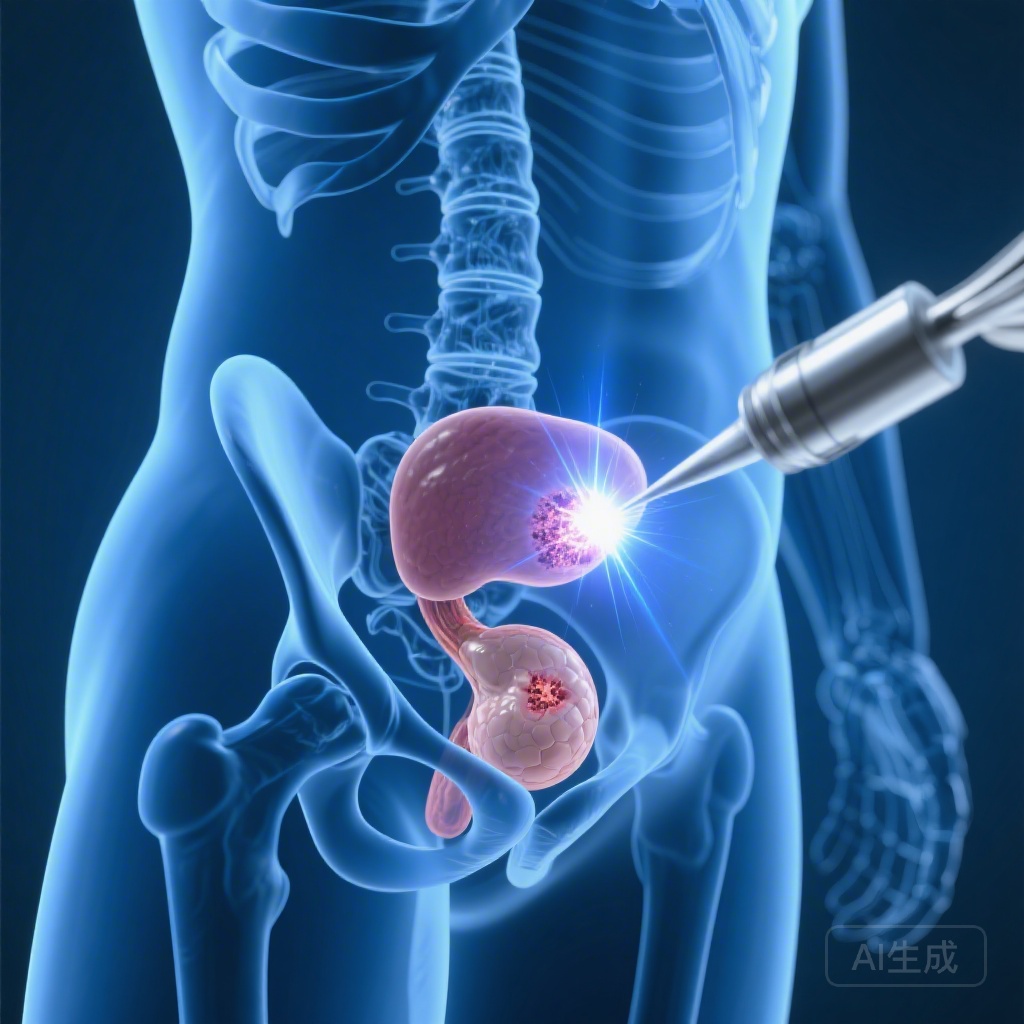
An international randomized trial found minimally invasive pancreatoduodenectomy (mostly robotic) noninferior to open surgery for 90‑day overall complications and modestly faster functional recovery, with lower fistula and wound‑infection rates but a numerically higher 90‑day mortality.
Low‑Dose Interleukin‑2 Expands Regulatory T Cells and Modulates Biomarkers in Mild–Moderate Alzheimer’s Disease: Phase 2a Randomized Trial Shows Safety and Promising Signals

Low‑Dose Interleukin‑2 Expands Regulatory T Cells and Modulates Biomarkers in Mild–Moderate Alzheimer’s Disease: Phase 2a Randomized Trial Shows Safety and Promising Signals

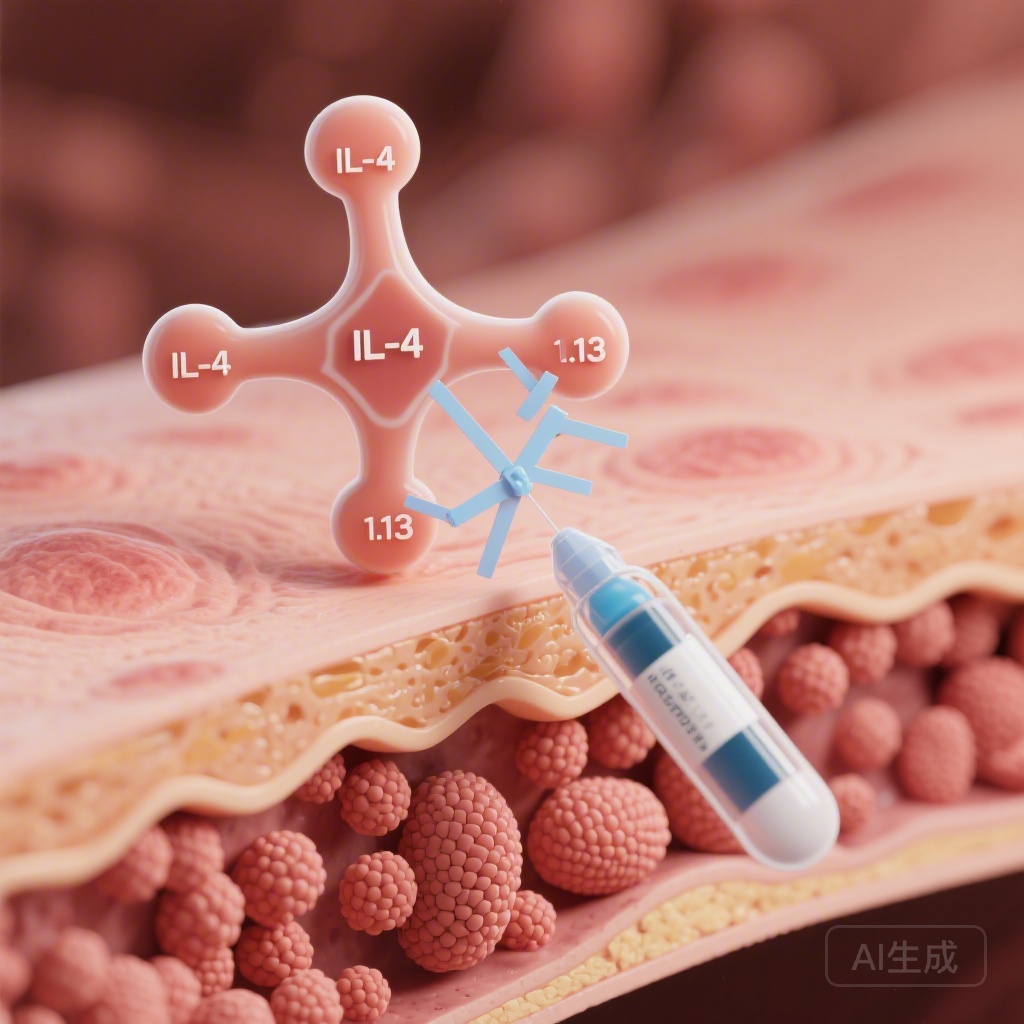
A phase 2a randomized trial found low‑dose IL‑2 given every 4 weeks was safe, expanded regulatory T cells, altered peripheral inflammatory mediators, increased CSF Aβ42, stabilized NfL, and trended toward slower cognitive decline in mild–moderate AD.
Low‑Dose IL‑2 after Lymphodepletion and TIL Infusion Offers Comparable Immune and Clinical Outcomes to High‑Dose IL‑2 in Metastatic Melanoma

Low‑Dose IL‑2 after Lymphodepletion and TIL Infusion Offers Comparable Immune and Clinical Outcomes to High‑Dose IL‑2 in Metastatic Melanoma

A phase II study in metastatic melanoma found no major differences in response, circulating T‑cell phenotypes, or proliferative signals between high‑dose and low‑dose IL‑2 after lymphodepletion and tumor‑infiltrating lymphocyte (TIL) infusion followed by pembrolizumab, suggesting low‑dose IL‑2 may be a feasible, lower‑toxicity alternative.
Can an 11β‑HSD1 Inhibitor Improve Prednisolone’s Benefit–Risk Ratio in Polymyalgia Rheumatica? Early Human Trial Suggests Feasibility

Can an 11β‑HSD1 Inhibitor Improve Prednisolone’s Benefit–Risk Ratio in Polymyalgia Rheumatica? Early Human Trial Suggests Feasibility

A single‑blind sequential cohort trial found that clofutriben, a selective 11β‑HSD1 inhibitor, reduced biomarkers of glucocorticoid toxicity while partially attenuating prednisolone efficacy at low doses; efficacy was restored at higher prednisolone doses, supporting further randomized trials.
Tirzepatide Lowers 10‑Year Predicted Risk of Cardiovascular Disease and Type 2 Diabetes in Adults with Obesity and Prediabetes: Post hoc Analysis of SURMOUNT‑1

Tirzepatide Lowers 10‑Year Predicted Risk of Cardiovascular Disease and Type 2 Diabetes in Adults with Obesity and Prediabetes: Post hoc Analysis of SURMOUNT‑1

A post hoc analysis of the three‑year SURMOUNT‑1 trial found that once‑weekly tirzepatide (5–15 mg) produced dose‑dependent reductions in 10‑year predicted risks for ASCVD, heart failure, total CVD and progression to type 2 diabetes versus placebo in adults with obesity and prediabetes.
Long-Term Impact of Treat-to-Target Urate-Lowering Therapy on Ultrasound-Detected Crystal Depositions and Clinical Outcomes: Insights from the 5-Year NOR-Gout Study

Long-Term Impact of Treat-to-Target Urate-Lowering Therapy on Ultrasound-Detected Crystal Depositions and Clinical Outcomes: Insights from the 5-Year NOR-Gout Study

The 5-year NOR-Gout study demonstrates that sustained low serum urate via treat-to-target therapy leads to dissolution of crystal deposits, reduced flares, and increased remission rates, highlighting the clinical value of long-term urate control in gout management.
UPsA Ultrasound Scores Bring Quantitative Activity and Damage Assessment to Psoriatic Arthritis — Feasible, Responsive Tools from a Multicentre Italian Study

UPsA Ultrasound Scores Bring Quantitative Activity and Damage Assessment to Psoriatic Arthritis — Feasible, Responsive Tools from a Multicentre Italian Study

The UPsA activity and damage ultrasound scores (and a simplified sUPsA) were developed and internally validated in 312 PsA patients; they correlate moderately with clinical measures, are responsive to change (SRM overall 0.63; 1.03 in MDA achievers), and may improve objective monitoring of PsA.
EAT‑Lancet Diet and Recurrent Cardiovascular Events: Lower Stroke Risk and a Signal for Myocardial Infarction in Patients with Established CVD

EAT‑Lancet Diet and Recurrent Cardiovascular Events: Lower Stroke Risk and a Signal for Myocardial Infarction in Patients with Established CVD

Two cohort analyses suggest greater adherence to the EAT‑Lancet diet is linked with lower recurrent non‑fatal vascular events—notably stroke—and that education and sex modify long‑term cardioprotective benefits of this sustainable, plant‑forward pattern.