Uncover the ten most common weight loss misconceptions and pitfalls, and learn scientifically grounded practices to achieve sustainable, healthy fat loss.
Eli Lilly's oral GLP-1 drug orforglipron marks a milestone in obesity treatment, yet competition from novel oral therapies by Novo Nordisk, Viking Therapeutics, Roche, Terns Pharmaceuticals, and Rhythm Pharmaceuticals is intensifying, promising diverse mechanisms and potential market shifts.
Discover how moderate, regular running boosts heart health, controls weight, improves sleep, lowers cancer risk, and extends life—without needing to run long or fast every day.
Discover why 10 to 30 minutes of daily jogging is optimal for health, especially for middle-aged and older adults, supported by science and expert insights.
Discover five common pitfalls that secretly lead to weight gain during dieting, and learn science-backed strategies for healthy, sustainable weight loss.
Explore seven prevalent misconceptions about weight loss—from ignoring obesity as a disease to the dangers of rapid slimming—founded on medical evidence and expert advice to guide safe and effective weight management.
Healthy running emphasizes sustainable practices for improved health without the competition. Learn effective strategies, common misconceptions, and expert recommendations for a balanced approach to fitness.
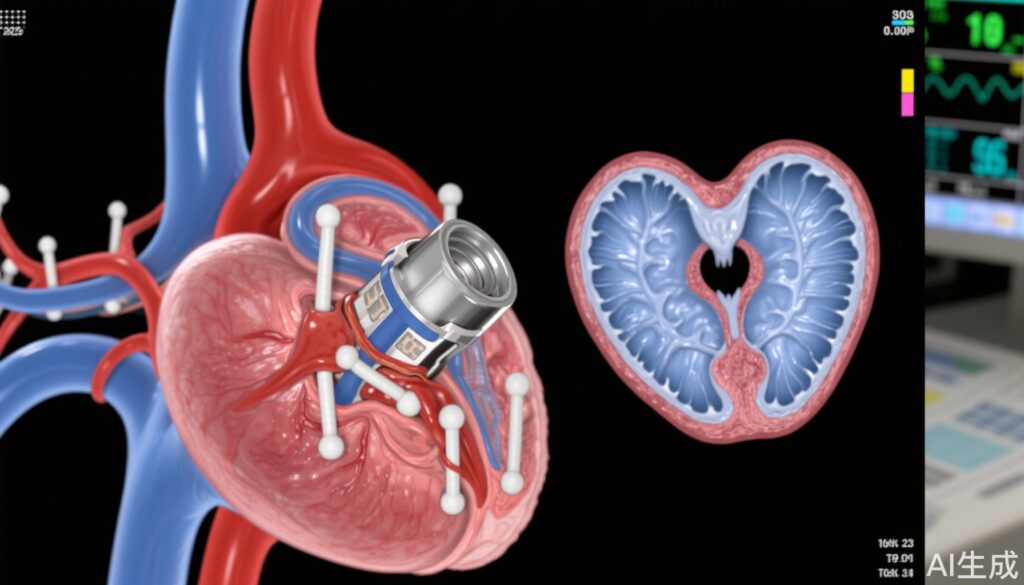
Underexpansion of the ACURATE neo2 valve during TAVR is linked to increased risk of death, stroke, and rehospitalization at one year, suggesting that achieving optimal valve expansion may improve patient outcomes.
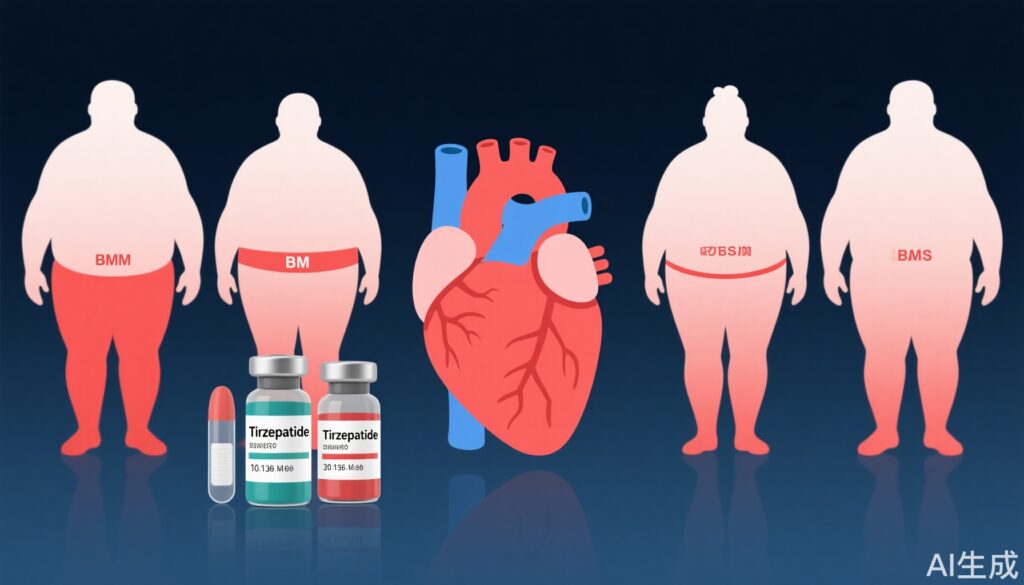
Tirzepatide reduces heart failure risk in obese HFpEF patients regardless of BMI or central adiposity, with greater benefits on exercise capacity and symptom scores associated with higher BMI and weight loss.
This study evaluates the lasting benefits of vagus nerve stimulation combined with rehabilitation for stroke patients suffering from upper extremity impairments.
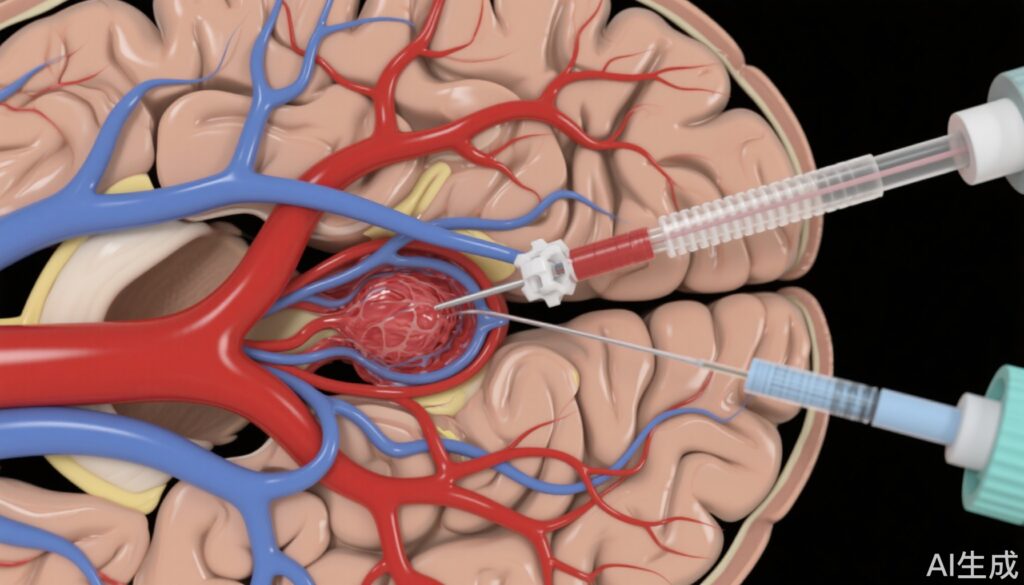
The SUMMIT MAX randomized trial demonstrates that the super large bore HiPoint reperfusion system is noninferior to the Vecta system in reperfusion success and safety for acute ischemic stroke due to large vessel occlusion.
A subanalysis of the ELAN trial shows that prior reperfusion therapy does not alter the safety or efficacy outcomes of early versus late initiation of direct oral anticoagulants in ischemic stroke patients with atrial fibrillation.
The TAP-IT trial found that additional thoracentesis in acute heart failure patients with pleural effusion did not improve days alive out of hospital, mortality, or length of stay compared to standard therapy alone.
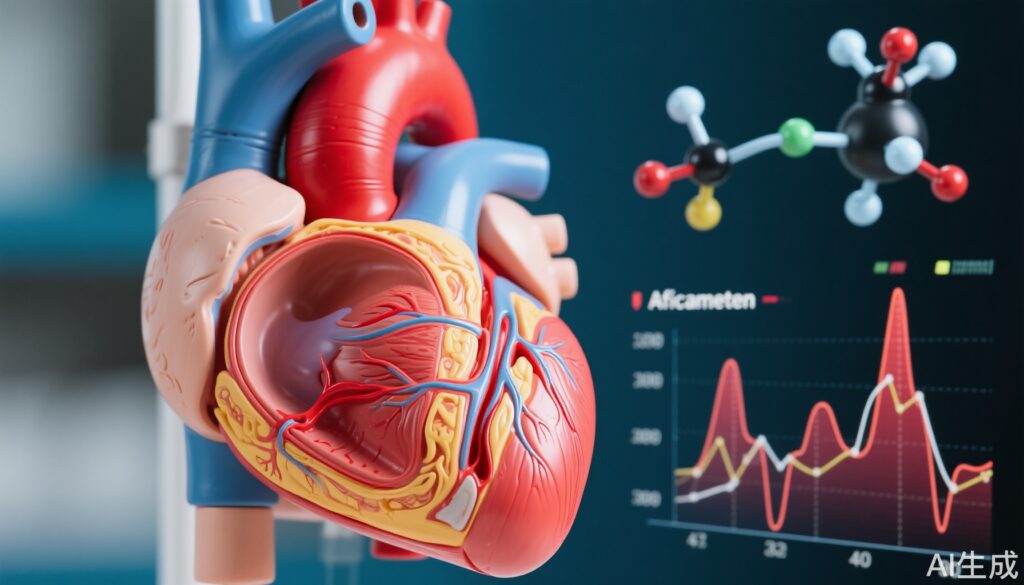
Aficamten significantly improves exercise capacity and symptoms in obstructive hypertrophic cardiomyopathy (HCM), demonstrating robust efficacy and safety in both mildly and severely symptomatic patients.
Aficamten shows sustained obstruction relief, symptom improvement, and favorable cardiac remodeling over 48 weeks in obstructive hypertrophic cardiomyopathy, with safe discontinuation of disopyramide possible.
A comprehensive proteomic analysis from the ARIC study identifies plasma proteins linking kidney dysfunction to incident heart failure, highlighting potential biomarkers and therapeutic targets for HF prevention in CKD patients.