A Norwegian registry study reports that 63% of patients with primary ACL injury initially managed non‑operatively remained non‑operative at two years; younger age, participation in pivoting sports and baseline meniscal injury increased risk of delayed ACL reconstruction, while 2‑year KOOS scores were similar.
An AI-enabled decision aid that generated patient-specific digital twins improved decision quality, reduced decisional conflict and regret, and produced better 6–9 month knee function versus education alone in patients considering total knee arthroplasty.
A 20‑year TriNetX analysis of 913,428 T2DM patients found SGLT2 inhibitor use associated with a 28% lower Parkinson’s disease risk versus metformin (aHR 0.72), suggesting possible superior neuroprotection and prompting need for prospective confirmation.
A nationwide Taiwanese active-comparator cohort found SGLT2 inhibitor use was associated with a lower incidence of new-onset atopic dermatitis compared with DPP‑4 inhibitors; the effect persisted across sensitivity analyses, showed a dose-response relation and was stronger in men.
A Taiwanese nationwide cohort study found SGLT2 inhibitor use linked to a lower incidence of new-onset atopic dermatitis versus DPP4 inhibitors (IPTW-adjusted HR 0.847), with a dose-response effect and stronger protection in men.
A large South Korean cohort study suggests that sodium-glucose cotransporter-2 (SGLT-2) inhibitors reduce the incidence of autoimmune rheumatic diseases by 11% compared to sulfonylureas in adults with type 2 diabetes, indicating potential immunomodulatory benefits of SGLT-2 inhibitors beyond glycemic control.
This cohort study tracks diabetic retinopathy incidence over 24 years in type 2 diabetes patients, highlighting the impact of glycemic control and hypertension on disease progression.
This study identifies clinical and demographic factors associated with positive blood cultures in hospitalized children across nine African and Asian countries, aiming to improve diagnostic stewardship amidst resource constraints.
The phase 2 trial shows that CM313 significantly improves platelet response rates and duration with manageable safety in adults with persistent or chronic primary immune thrombocytopenia.
Exposure to sugar rationing during the first 1000 days after conception correlates with significantly reduced cardiovascular disease risk and improved cardiac function decades later, highlighting early nutritional influences on long-term heart health.
This study assesses the feasibility and performance of using self-collected urine and vaginal samples with the BD Onclarity® HPV assay for cervical cancer screening in Japanese women with abnormal cytology, highlighting concordance and sensitivity metrics compared to clinician-collected cervical samples.
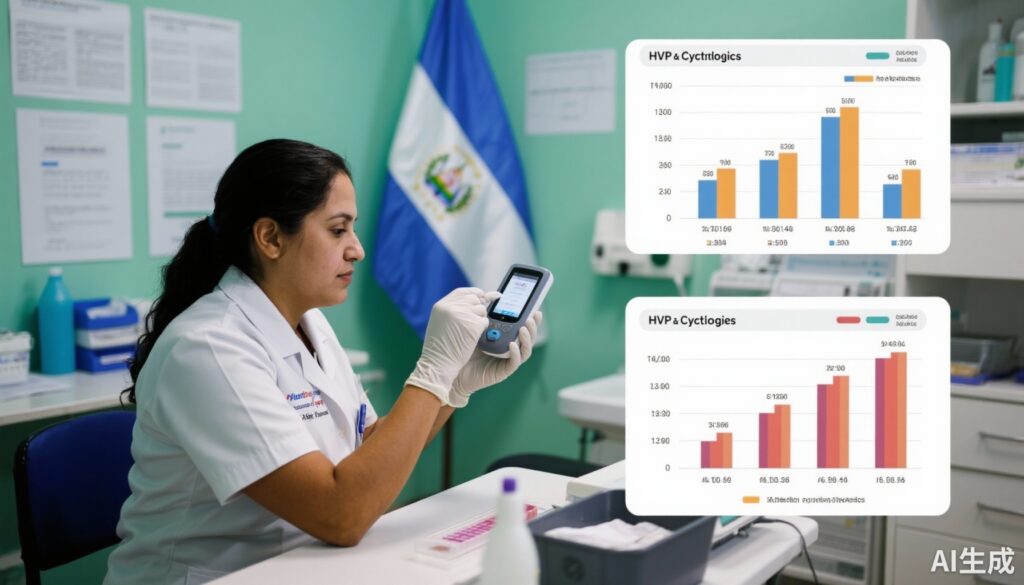
A 5-year follow-up study in El Salvador demonstrates that primary HPV screen-and-treat significantly reduces CIN2+ detection and HPV positivity compared to cytology, supporting extended screening intervals in low-resource settings.
This Swedish population-based study highlights how suicide risk indicators vary by sex and age, showing males and older adults exhibit fewer, but often higher absolute risk indicators, underscoring the need for tailored suicide prevention strategies.
The REPAIR study demonstrates that prophylactic antibiotics reduce clinically relevant wound complications after episiotomy or second degree tears, highlighting a potential role for antibiotics in postpartum care.
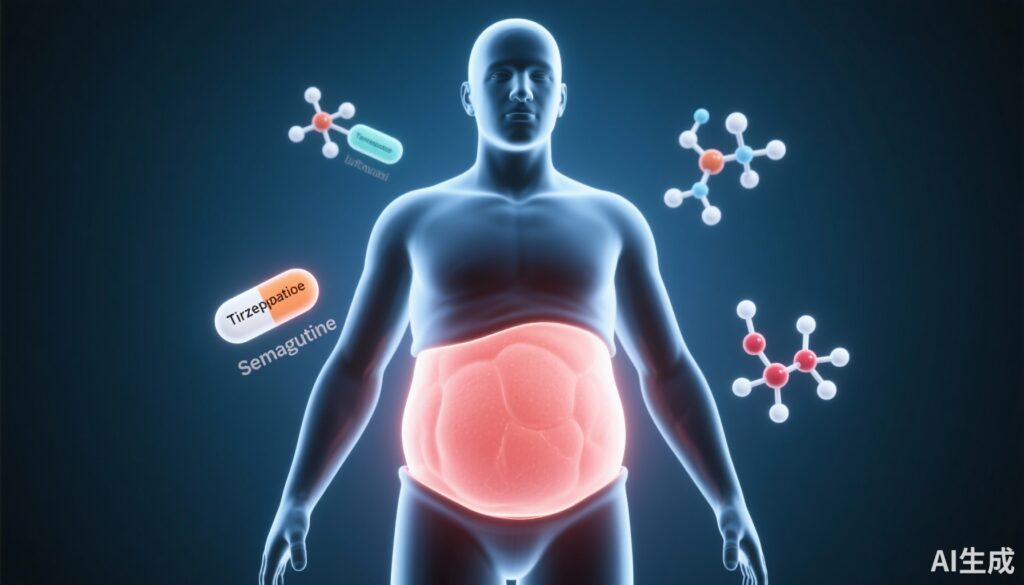
This article critically compares the efficacy, safety, and long-term outcomes of tirzepatide, semaglutide, and liraglutide for the treatment of obesity based on recent Cochrane systematic reviews, highlighting differences in weight loss, adverse events, cardiovascular outcomes, and evidence certainty.
The TUXEDO-3 trial demonstrates that patritumab deruxtecan, a HER3-targeted antibody-drug conjugate, offers clinical benefit and a manageable safety profile in metastatic breast cancer patients with active brain metastases.
An evidence-based synthesis of the 2025 Cochrane review on fall-prevention in care facilities: which interventions work, for whom, and how to implement them in practice.
A comprehensive 2025 systematic review informing the Canadian Task Force finds cytology remains effective into the 60s, HPV-based strategies detect more precursors but increase colposcopy and false positives, and self-sampling improves uptake in underscreened people.
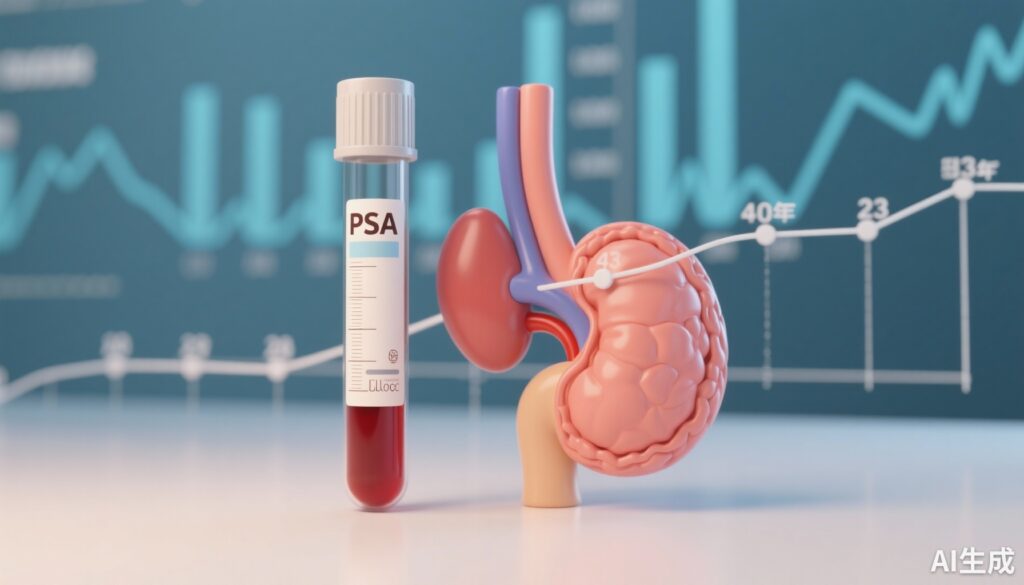
The 23-year follow-up of the ERSPC confirms that PSA screening reduces prostate cancer mortality by 13%, with an improved harm-benefit ratio, supporting risk-based screening strategies to optimize outcomes.