Digital Imagery-Competing Task Intervention Significantly Reduces Intrusive Memories in Trauma-Exposed Healthcare Staff: Evidence from the GAINS-02 Bayesian Trial

Digital Imagery-Competing Task Intervention Significantly Reduces Intrusive Memories in Trauma-Exposed Healthcare Staff: Evidence from the GAINS-02 Bayesian Trial

A Bayesian adaptive randomized clinical trial reveals that a digital imagery-competing task intervention (ICTI) significantly reduces the frequency of intrusive memories and PTSD symptoms among healthcare workers exposed to pandemic-related trauma, providing a scalable, evidence-based tool for occupational mental health.

Parental Firearm Injury Linked to Significant Surge in Pediatric Psychiatric Disorders and Mental Health Service Utilization

Parental Firearm Injury Linked to Significant Surge in Pediatric Psychiatric Disorders and Mental Health Service Utilization

A large-scale longitudinal study reveals that children whose parents suffer firearm injuries face a significant increase in psychiatric diagnoses, particularly trauma-related disorders. These findings highlight the profound secondary psychological impact of firearm violence on families and the urgent need for trauma-informed pediatric care.
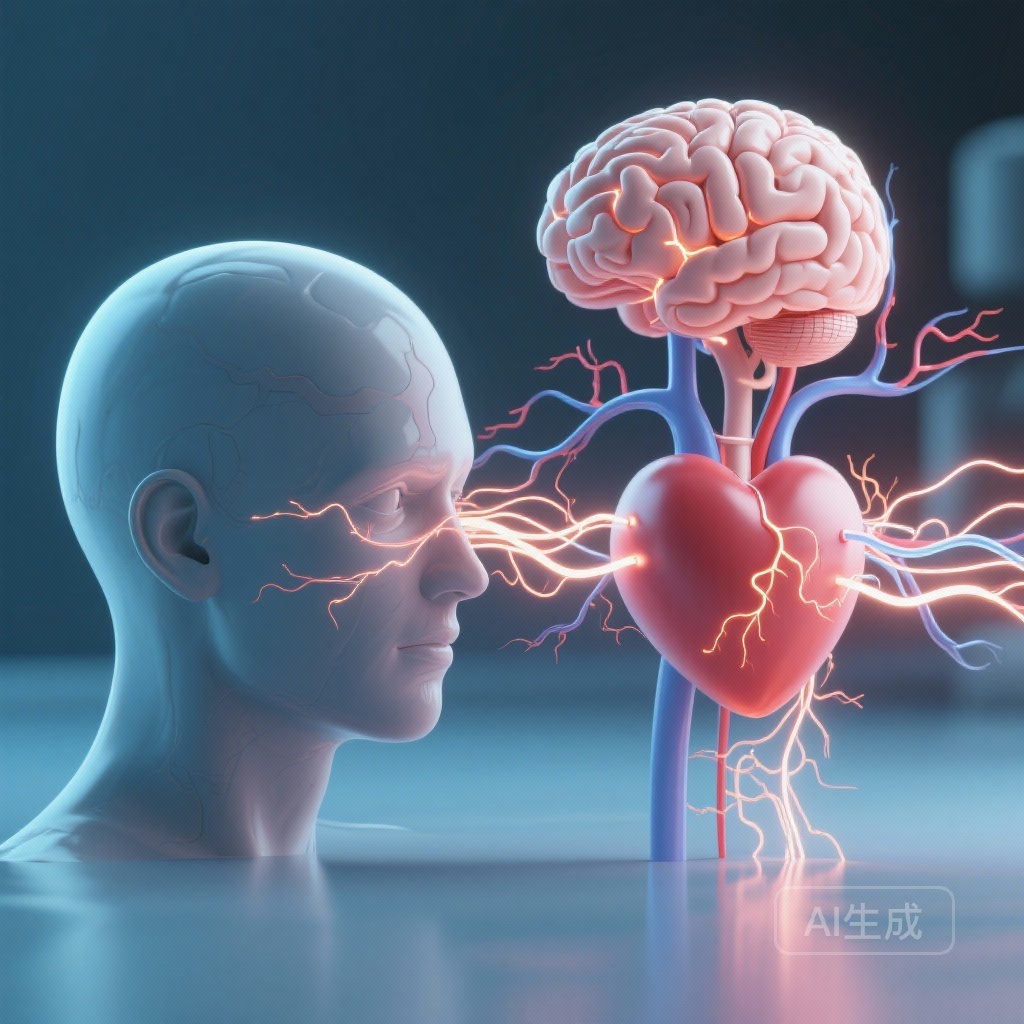
Neuropsychiatric Interaction with Vascular Health: Deciphering the Moderating Role of PTSD in Hormonal Contraceptive-Associated Cardiovascular Risk

Neuropsychiatric Interaction with Vascular Health: Deciphering the Moderating Role of PTSD in Hormonal Contraceptive-Associated Cardiovascular Risk

A large-scale cohort study demonstrates that while hormonal contraceptives are generally associated with lower cardiovascular risk in women, this protective effect is lost in those with PTSD, highlighting a critical intersection between psychiatric health and reproductive medicine.
The Limits of Collaborative Care: Why the CLARO Trial Found No Added Benefit for OUD and Comorbid Mental Illness

The Limits of Collaborative Care: Why the CLARO Trial Found No Added Benefit for OUD and Comorbid Mental Illness

The CLARO randomized clinical trial investigated whether a collaborative care model could improve outcomes for patients with opioid use disorder and co-occurring depression or PTSD. The study found no statistically significant advantages over enhanced usual care, suggesting challenges in implementing these models for complex, low-resource populations.