Skip to content
medxy logo Medxy AI
  • Specialties
    • Allergy & Immunology
    • Anesthesiology
    • Cardiology
    • Critical Care
    • Dermatology
    • Diabetes & Endocrinology
    • Emergency Medicine
    • Family Medicine & Nutrition
    • Gastroenterology
    • General Surgery
    • Hematology-Oncology
    • HIV/AIDS
    • Infectious Diseases
    • Internal Medicine
    • Nephrology
    • Neurology
    • Nursing & care
    • OB/GYN & Women’s Health
    • Oncology
    • Ophthalmology
    • Orthopedics
    • Otorhinolaryngology
    • Pathology & Lab Medicine
    • Pediatrics
    • Plastic Surgery
    • Psychiatry
    • Public Health
    • Radiology
    • Respiratory
    • Rheumatology
    • Urology
  • Clinical Updates
  • Medical News
  • iDoctor
  • Specialties
    • Allergy & Immunology
    • Anesthesiology
    • Cardiology
    • Critical Care
    • Dermatology
    • Diabetes & Endocrinology
    • Emergency Medicine
    • Family Medicine & Nutrition
    • Gastroenterology
    • General Surgery
    • Hematology-Oncology
    • HIV/AIDS
    • Infectious Diseases
    • Internal Medicine
    • Nephrology
    • Neurology
    • Nursing & care
    • OB/GYN & Women’s Health
    • Oncology
    • Ophthalmology
    • Orthopedics
    • Otorhinolaryngology
    • Pathology & Lab Medicine
    • Pediatrics
    • Plastic Surgery
    • Psychiatry
    • Public Health
    • Radiology
    • Respiratory
    • Rheumatology
    • Urology
  • Clinical Updates
  • Medical News
  • iDoctor
  • facebook.com
  • twitter.com
  • t.me
  • instagram.com
  • youtube.com
Subscribe
  • Home
  • Obstetrics
The Rising Burden of Anemia in Pregnancy: Epidemiological Trends, Clinical Impact, and Evolving Management Strategies

Posted inClinical Updates news OB/GYN & Women's Health

The Rising Burden of Anemia in Pregnancy: Epidemiological Trends, Clinical Impact, and Evolving Management Strategies

Posted by MedXY By MedXY 04/02/2026
This review synthesizes recent evidence on pregnancy-related anemia, highlighting a 25.6% US prevalence, the clinical significance of iron deficiency without anemia (IDWA), and the critical impact on maternal-fetal outcomes and cardiovascular health.

Read More
Clinical Trajectory of Early-Onset Severe Fetal Growth Restriction: Insights into Umbilical Artery Doppler Progression and Management
Posted innews OB/GYN & Women’s Health

Clinical Trajectory of Early-Onset Severe Fetal Growth Restriction: Insights into Umbilical Artery Doppler Progression and Management

Posted by MedXY By MedXY 03/30/2026
This report examines the progression of Umbilical Artery Doppler abnormalities in 241 severe early-onset FGR cases, providing critical timelines for clinical deterioration, delivery planning, and fetal death risk assessment.
Read More
Optimizing Iron Deficiency Management in Pregnancy: A Synthesis of Evidence for Intravenous Ferumoxytol vs. Oral Ferrous Sulfate
Posted inClinical Updates news OB/GYN & Women's Health

Optimizing Iron Deficiency Management in Pregnancy: A Synthesis of Evidence for Intravenous Ferumoxytol vs. Oral Ferrous Sulfate

Posted by MedXY By MedXY 03/20/2026
This clinical review evaluates the superior efficacy of intravenous ferumoxytol over oral iron for treating gestational anemia, analyzing hematologic recovery and maternal outcomes based on the latest RCT evidence.
Read More
Mapping the Countdown: Umbilical Artery Doppler Deterioration and Mortality Risk in Severe Early-Onset Fetal Growth Restriction
Posted innews OB/GYN & Women’s Health

Mapping the Countdown: Umbilical Artery Doppler Deterioration and Mortality Risk in Severe Early-Onset Fetal Growth Restriction

Posted by MedXY By MedXY 03/18/2026
This study quantifies the rapid progression of Doppler abnormalities in severe early-onset FGR, providing critical timelines for corticosteroid administration and delivery planning to mitigate fetal death risks in high-risk pregnancies.
Read More
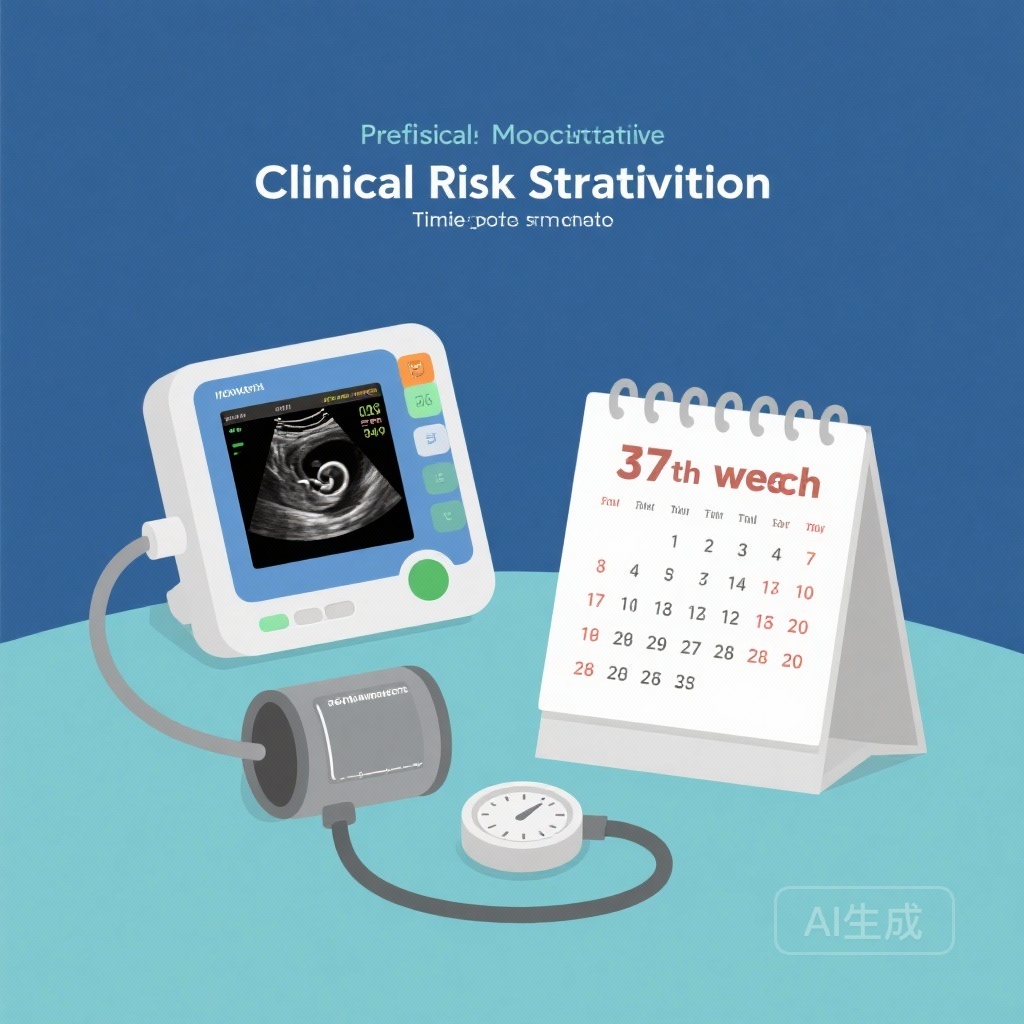
Scheduled Early-Term Birth: A Proven Strategy to Prevent Pre-eclampsia in High-Risk Pregnancies
Posted innews OB/GYN & Women's Health

Scheduled Early-Term Birth: A Proven Strategy to Prevent Pre-eclampsia in High-Risk Pregnancies

Posted by MedXY By MedXY 01/08/2026
The PREVENT-PE trial demonstrates that risk-stratified scheduled birth at 37–38 weeks reduces pre-eclampsia incidence by 30% without increasing neonatal morbidity or emergency cesarean sections, offering a new standard for late-pregnancy management.
Read More
  • Challenging the Assumption: Fellow-Eye Correlations in Geographic Atrophy Progression Prove Modest at Best
  • Diabetic Retinopathy Severity Predicts Mortality Risk: Insights from the SOURCE Consortium
  • Determinants of Circulating Tumor HPV DNA in Surgically Treated Oropharyngeal Cancer
  • Robotic vs Laparoscopic Cholecystectomy: No Outcome Advantage Across Disease Severity Grades
  • Molecular Complexity of Endometrial Cancer: How Biomarker Patterns Vary Across Tumor Stages, Histology, and Molecular Subtypes
  • About us
  • Contact us
  • MedXY story
  • Privacy Policy
  • Subscribe Now!
  • 账号

  • English
  • 日本語
  • Tiếng Việt
  • 中文

Alzheimer's disease artificial intelligence atrial fibrillation biomarkers breast cancer Cardiology cardiovascular disease cardiovascular risk chronic kidney disease clinical trial clinical trials critical care depression diabetes epidemiology exercise health heart failure Hypertension immunotherapy inflammation MASLD mental health metformin Mortality myocardial infarction nutrition obesity older adults oncology Pediatrics precision medicine Pregnancy prevention prostate cancer public health randomized clinical trial randomized trial SGLT2 inhibitors stroke targeted therapy type 1 diabetes type 2 diabetes weight loss women's health

Your health, we care

Copyright 2026 — Medxy AI. All rights reserved.
Scroll to Top
Sign in