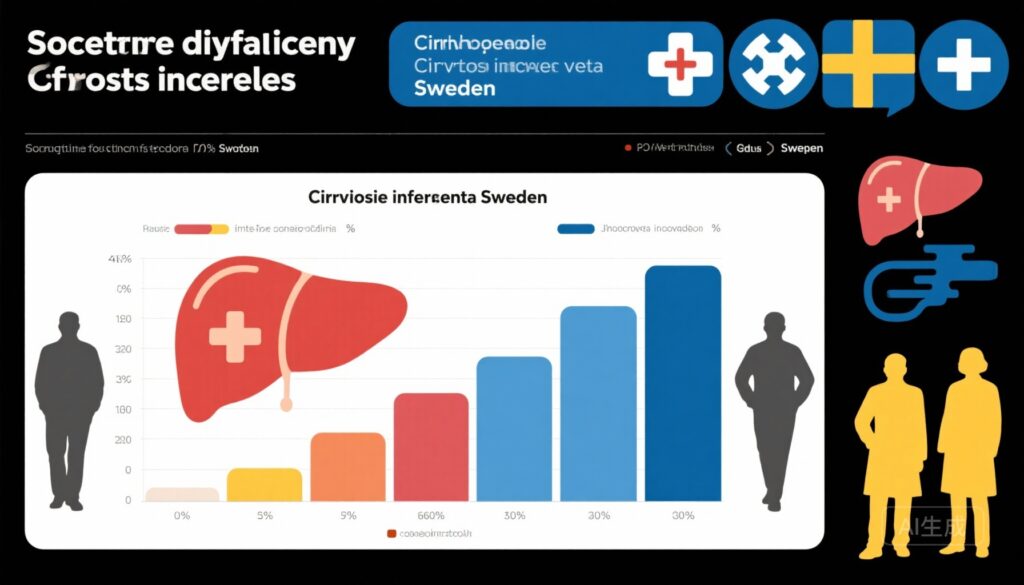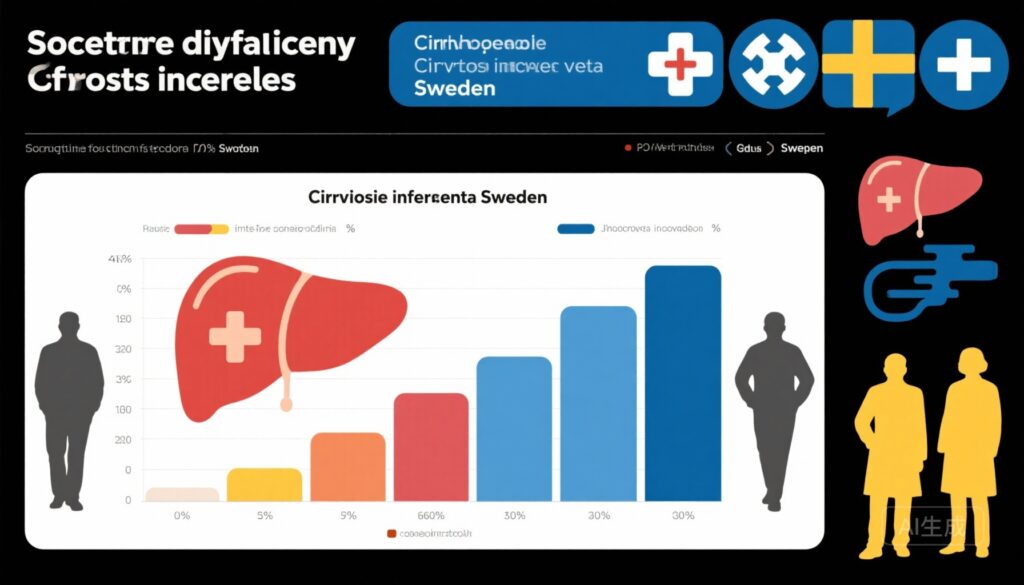
Tỷ lệ mắc xơ gan ở các nhóm kinh tế và nhân khẩu học tại Thụy Điển: Một nghiên cứu quần thể dựa trên đăng ký và bối cảnh toàn cầu

Tỷ lệ mắc xơ gan ở các nhóm kinh tế và nhân khẩu học tại Thụy Điển: Một nghiên cứu quần thể dựa trên đăng ký và bối cảnh toàn cầu

Bài đánh giá này tổng hợp các bằng chứng về sự gia tăng tỷ lệ mắc xơ gan ở Thụy Điển, nhấn mạnh sự chênh lệch kinh tế xã hội rõ rệt, đặc biệt là trong xơ gan liên quan đến bệnh gan do rượu (ALD) và bệnh gan mỡ liên quan đến rối loạn chuyển hóa (MASLD), với những tác động rộng lớn hơn đối với các nước có thu nhập cao trong việc phòng ngừa và phát hiện sớm.
SGLT2 Inhibitors Linked to Lower Fibrosis Progression than DPP‑4 Inhibitors in MASLD with T2DM: Target‑Trial Emulation of Real‑World Cohorts

SGLT2 Inhibitors Linked to Lower Fibrosis Progression than DPP‑4 Inhibitors in MASLD with T2DM: Target‑Trial Emulation of Real‑World Cohorts

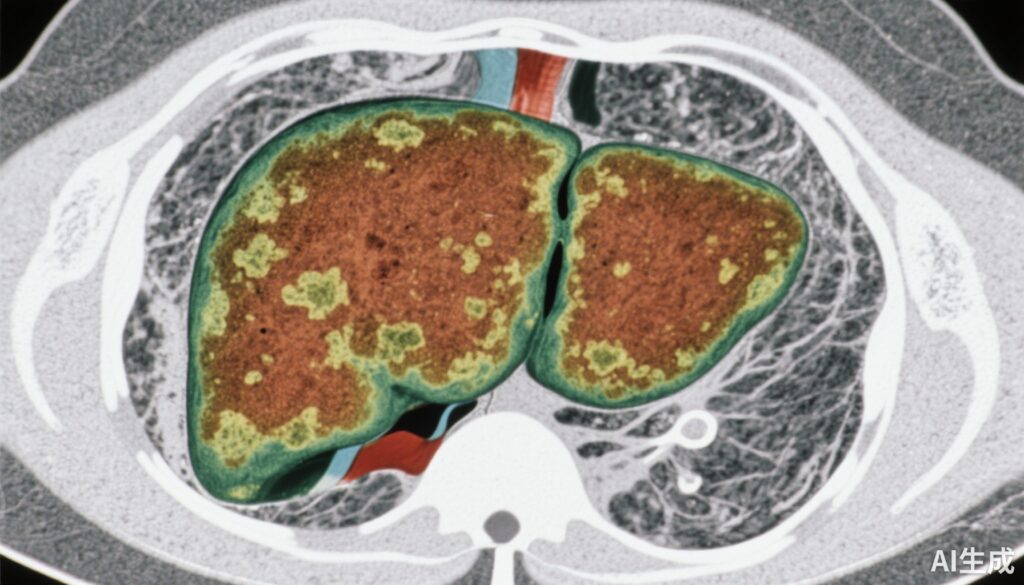
A multicenter target‑trial emulation found SGLT2 inhibitor initiation was associated with a 22% lower risk of progression to advanced fibrosis (confirmed FIB‑4 >2.67) versus DPP‑4 inhibitors in adults with MASLD and T2DM and low‑to‑intermediate baseline fibrosis.
Pemvidutide Produces Rapid Reductions in Liver Fat and AI‑Quantified Fibrosis in Early Phase Trials — Promise and Unanswered Questions

Pemvidutide Produces Rapid Reductions in Liver Fat and AI‑Quantified Fibrosis in Early Phase Trials — Promise and Unanswered Questions

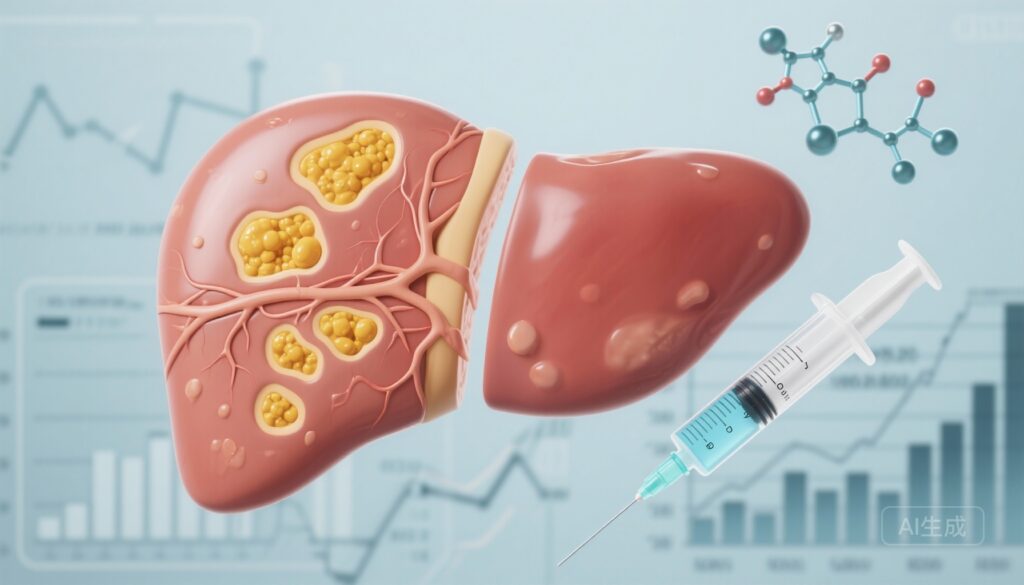
Pemvidutide, a dual GLP‑1/glucagon receptor agonist, reduced liver fat markedly and produced small but statistically significant reductions in AI‑quantified fibrosis over 24 weeks in phase 2 studies, but longer trials with clinical endpoints are needed to establish meaningful benefit.
Plant-Based Foods and Their Impact on Metabolic Health and Liver Function in Adults with MASLD and Comorbidities: A Systematic Review

Plant-Based Foods and Their Impact on Metabolic Health and Liver Function in Adults with MASLD and Comorbidities: A Systematic Review

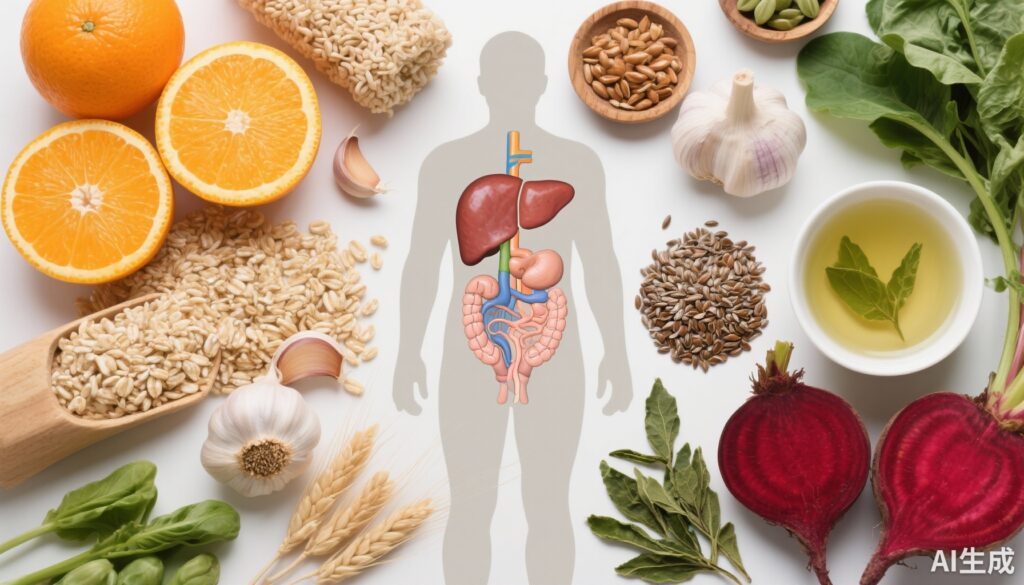
This systematic review evaluates the effects of specific plant-based foods on metabolic and hepatic outcomes in adults with MASLD and related comorbidities. Findings reveal selective benefits of plant-based dietary components on liver health, glycemic control, and lipid profiles, underscoring potential dietary strategies for MASLD management.
Risk Stratification of Hepatocellular Carcinoma in Chronic Hepatitis B Patients with Metabolic Dysfunction and MASLD: Validating the PAGE-B Score

Risk Stratification of Hepatocellular Carcinoma in Chronic Hepatitis B Patients with Metabolic Dysfunction and MASLD: Validating the PAGE-B Score

Metabolic dysfunction and MASLD elevate hepatocellular carcinoma risk in chronic hepatitis B patients. The PAGE-B score effectively stratifies this risk, especially in non-cirrhotic patients, while cirrhotic patients still require careful monitoring despite low PAGE-B scores.
Mediterranean Diet Combined with Early Time-Restricted Feeding: A Promising Strategy for MASLD – Insights from the CHRONO-NAFLD Trial

Mediterranean Diet Combined with Early Time-Restricted Feeding: A Promising Strategy for MASLD – Insights from the CHRONO-NAFLD Trial

A 12-week hypocaloric Mediterranean diet with early time-restricted feeding improved glycaemic control and cardiometabolic risk in patients with metabolic dysfunction-associated steatotic liver disease (MASLD) compared to unrestricted timing or late time-restricted feeding.