Pumecitinib 3% Gel Shows Robust Efficacy and Minimal Systemic Absorption in Mild-to-Moderate Atopic Dermatitis Treatment

Pumecitinib 3% Gel Shows Robust Efficacy and Minimal Systemic Absorption in Mild-to-Moderate Atopic Dermatitis Treatment

A Phase IIb clinical trial demonstrates that pumecitinib 3% gel significantly improves skin clearance in adults with mild-to-moderate atopic dermatitis. Twice-daily application proved superior to once-daily dosing, maintaining a favorable safety profile with minimal systemic absorption, offering a promising new topical JAK inhibitor option.
Targeting CXCR1/2 Ligands: Eltrekibart Demonstrates Clinical Potential in Phase 2 Hidradenitis Suppurativa Trial

Targeting CXCR1/2 Ligands: Eltrekibart Demonstrates Clinical Potential in Phase 2 Hidradenitis Suppurativa Trial

A Phase 2 trial of eltrekibart, a novel monoclonal antibody targeting CXCR1/2 ligands, suggests high clinical efficacy in hidradenitis suppurativa. While frequentist analysis was neutral, Bayesian augmented models showed a 99.9% probability of superiority, highlighting a promising new mechanism for neutrophil-driven dermatological inflammation.
Dual-Action IgY and Cerium Oxide Nanofibrous Dressings Accelerate Scarless Healing in Infected Wound Models

Dual-Action IgY and Cerium Oxide Nanofibrous Dressings Accelerate Scarless Healing in Infected Wound Models

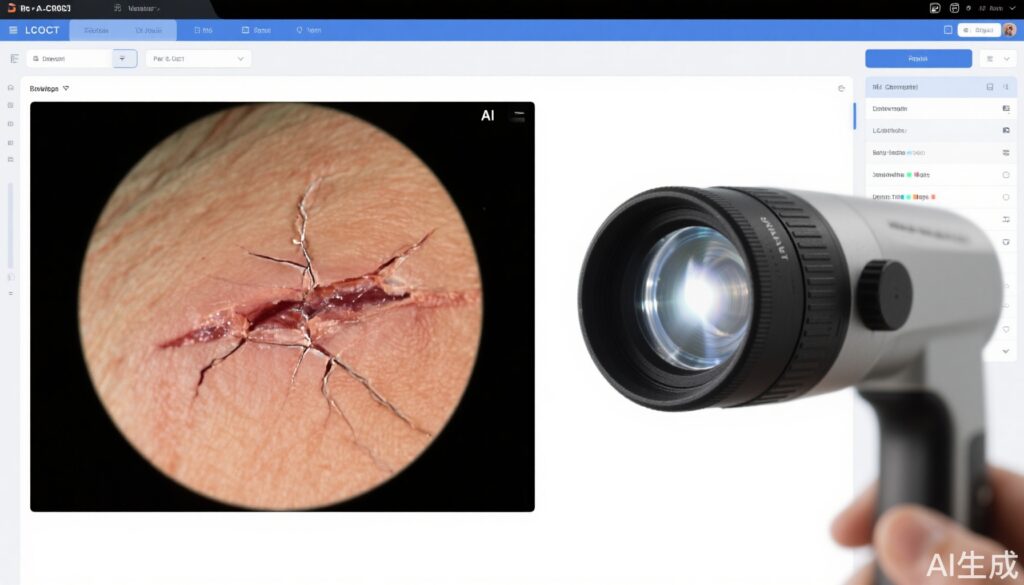
Researchers have developed a novel P/G@IYCe dressing combining yolk immunoglobulins and cerium oxide nanoparticles. This synergy effectively neutralizes bacterial pathogens and reactive oxygen species, facilitating rapid, high-quality skin regeneration and significantly reducing scar formation in infected full-thickness wound models.
Beyond the Gut: Understanding the High Prevalence and Clinical Impact of JAK Inhibitor-Induced Acne in IBD

Beyond the Gut: Understanding the High Prevalence and Clinical Impact of JAK Inhibitor-Induced Acne in IBD

An international multicenter study reveals that acne is a frequent adverse event in IBD patients treated with JAK inhibitors, particularly upadacitinib. The research highlights dose-dependency, significant psychosocial impacts, and the critical need for proactive dermatological management in clinical practice.