Skip to content
medxy logo Medxy AI
  • Specialties
    • Allergy & Immunology
    • Anesthesiology
    • Cardiology
    • Critical Care
    • Dermatology
    • Diabetes & Endocrinology
    • Emergency Medicine
    • Family Medicine & Nutrition
    • Gastroenterology
    • General Surgery
    • Hematology-Oncology
    • HIV/AIDS
    • Infectious Diseases
    • Internal Medicine
    • Nephrology
    • Neurology
    • Nursing & care
    • OB/GYN & Women’s Health
    • Oncology
    • Ophthalmology
    • Orthopedics
    • Otorhinolaryngology
    • Pathology & Lab Medicine
    • Pediatrics
    • Plastic Surgery
    • Psychiatry
    • Public Health
    • Radiology
    • Respiratory
    • Rheumatology
    • Urology
  • Clinical Updates
  • Medical News
  • iDoctor
  • Specialties
    • Allergy & Immunology
    • Anesthesiology
    • Cardiology
    • Critical Care
    • Dermatology
    • Diabetes & Endocrinology
    • Emergency Medicine
    • Family Medicine & Nutrition
    • Gastroenterology
    • General Surgery
    • Hematology-Oncology
    • HIV/AIDS
    • Infectious Diseases
    • Internal Medicine
    • Nephrology
    • Neurology
    • Nursing & care
    • OB/GYN & Women’s Health
    • Oncology
    • Ophthalmology
    • Orthopedics
    • Otorhinolaryngology
    • Pathology & Lab Medicine
    • Pediatrics
    • Plastic Surgery
    • Psychiatry
    • Public Health
    • Radiology
    • Respiratory
    • Rheumatology
    • Urology
  • Clinical Updates
  • Medical News
  • iDoctor
  • facebook.com
  • twitter.com
  • t.me
  • instagram.com
  • youtube.com
Subscribe

Apixaban

  • Home
  • Apixaban
Hypertension-Related High-Risk Features May Identify Which Patients With Cryptogenic Stroke Benefit From Apixaban Instead of Aspirin
Posted inCardiology Neurology news

Hypertension-Related High-Risk Features May Identify Which Patients With Cryptogenic Stroke Benefit From Apixaban Instead of Aspirin

Posted by MedXY By MedXY 06/10/2026
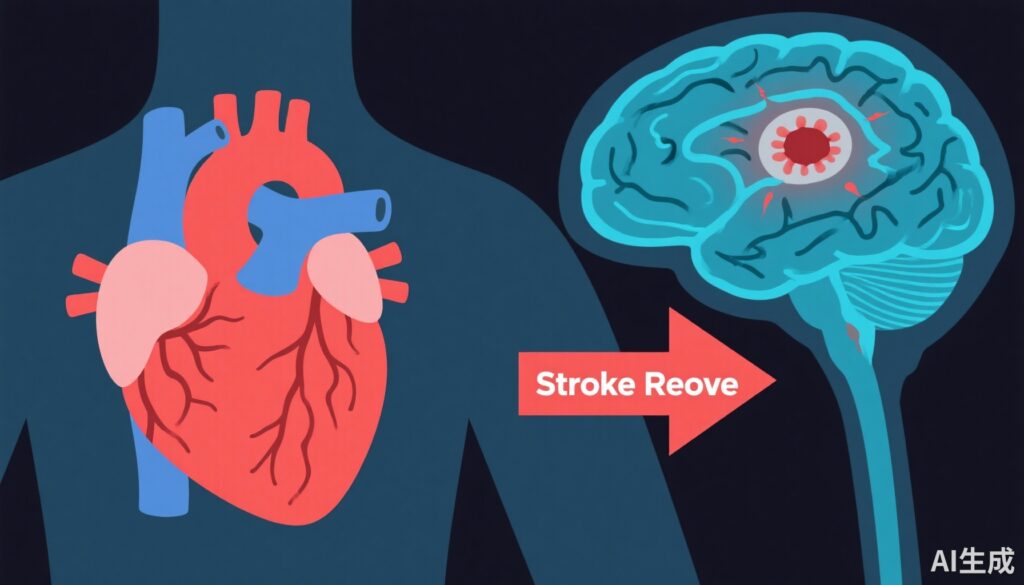
An exploratory ARCADIA analysis suggests that patients with cryptogenic stroke and atrial cardiopathy without severe hypertension-related features may derive greater benefit from apixaban than aspirin, whereas those with high-risk hypertensive features may not.

Read More
Apixaban in Subclinical Atrial Fibrillation: More Major Bleeds Driven by GI Events but Not by Intracranial or Fatal Hemorrhage
Posted inCardiology news

Apixaban in Subclinical Atrial Fibrillation: More Major Bleeds Driven by GI Events but Not by Intracranial or Fatal Hemorrhage

Posted by MedXY By MedXY 11/14/2025
In ARTESiA patients with device-detected subclinical AF, apixaban reduced thromboembolism but increased major bleeding—primarily noncritical gastrointestinal events—while intracranial and fatal bleeding rates were similar to aspirin.
Read More
Apixaban Versus Aspirin for Recurrent Stroke Prevention in Patients with Left Ventricular Dysfunction: Insights from a Secondary Analysis of the ARCADIA Trial
Posted inCardiology Neurology news

Apixaban Versus Aspirin for Recurrent Stroke Prevention in Patients with Left Ventricular Dysfunction: Insights from a Secondary Analysis of the ARCADIA Trial

Posted by MedXY By MedXY 10/29/2025
A secondary analysis of the ARCADIA trial reveals that apixaban significantly reduces recurrent ischemic stroke risk compared to aspirin in patients with left ventricular systolic dysfunction post-cryptogenic stroke.
Read More
Optimizing Extended Apixaban Therapy for Venous Thromboembolism: Insights from Recent Randomized Trials
Posted inCardiology Internal Medicine

Optimizing Extended Apixaban Therapy for Venous Thromboembolism: Insights from Recent Randomized Trials

Posted by MedXY By MedXY 09/26/2025
Extended low-dose apixaban significantly reduces recurrent venous thromboembolism (VTE) in patients with provoked VTE and enduring risk factors, with minimal major bleeding. Reduced-dose apixaban for cancer-associated VTE is equally effective as full dose but lowers bleeding risk.
Read More
Extended Apixaban Therapy Reduces Recurrent VTE Risk in Patients with Provoked Events and Enduring Risk Factors
Posted inCardiology Clinical Updates Internal Medicine news

Extended Apixaban Therapy Reduces Recurrent VTE Risk in Patients with Provoked Events and Enduring Risk Factors

Posted by MedXY By MedXY 09/26/2025
A randomized trial demonstrates that low-dose apixaban for 12 months significantly lowers symptomatic recurrent VTE risk after provoked events with enduring risk factors, with minimal major bleeding.
Read More
  • When the ICU Trauma Lingers: How Family PTSD Symptoms Build Across the Critical Illness Journey
  • A New Bedside Twist on Passive Leg Raising: PPV Change Predicts Fluid Responsiveness During Pressure Support Ventilation
  • When Language Becomes a Safety Risk: English Proficiency and Hospital Restraint Practices
  • Fast, Broad Oseltamivir Prophylaxis May Cut Hospitalizations During Nursing Home Influenza Outbreaks
  • Prompt and Intensive Antiviral Chemoprophylaxis in Nursing Home Influenza Outbreaks: Evidence Synthesis and Clinical Implications
  • About us
  • Contact us
  • MedXY story
  • Privacy Policy
  • Subscribe Now!
  • 账号

  • English
  • 日本語
  • Tiếng Việt
  • 中文

Alzheimer's disease artificial intelligence atrial fibrillation biomarkers breast cancer Cardiology cardiovascular disease cardiovascular risk chronic kidney disease clinical trial clinical trials critical care depression diabetes epidemiology health heart failure Hypertension immunotherapy inflammation MASLD mental health metformin Mortality myocardial infarction nutrition obesity older adults oncology Pediatrics precision medicine Pregnancy prevention prostate cancer public health randomized clinical trial randomized trial risk stratification SGLT2 inhibitors stroke targeted therapy type 1 diabetes type 2 diabetes weight loss women's health

Your health, we care

Copyright 2026 — Medxy AI. All rights reserved.
Scroll to Top
Sign in