Short Program, Long Gains: A 24‑Week Multicomponent Frailty Intervention Extended Disability‑Free Survival and Delivered Net Health-System Savings Over 66 Months

Short Program, Long Gains: A 24‑Week Multicomponent Frailty Intervention Extended Disability‑Free Survival and Delivered Net Health-System Savings Over 66 Months

A 24‑week, community-based multicomponent frailty intervention in rural Korea was associated with 6.5 additional months free from death or long‑term care eligibility and ~$7,700 per-person NHIS savings over 66 months, suggesting durable clinical and economic benefits.
High‑Intensity Interval Training Fails to Rescue Hippocampal Integrity in Adults With Cannabis Use Disorder — but Exercise Is Feasible and May Reduce Craving

High‑Intensity Interval Training Fails to Rescue Hippocampal Integrity in Adults With Cannabis Use Disorder — but Exercise Is Feasible and May Reduce Craving

A randomized trial in adults with moderate–severe cannabis use disorder found 12 weeks of supervised HIIT did not improve a composite MRI measure of hippocampal integrity versus strength/resistance training; exercise participation was feasible and may reduce cannabis craving.
Each Hour Sitting Counts: Sedentary Time Linked to Lower Intrinsic Capacity and Faster Decline in Older Adults

Each Hour Sitting Counts: Sedentary Time Linked to Lower Intrinsic Capacity and Faster Decline in Older Adults

In a prospective Beijing cohort (BLINDSCE), each additional hour of daily sedentary time was associated with a 1.18-point lower baseline intrinsic capacity and a 0.48-point greater decline over 1 year, suggesting sedentary behavior is a modifiable target to preserve healthy aging.
How Much Aerobic Exercise Is Enough to Reduce Depression in Patients with Chronic Illness? A Dose–Response Meta-analysis Points to an Achievable Target

How Much Aerobic Exercise Is Enough to Reduce Depression in Patients with Chronic Illness? A Dose–Response Meta-analysis Points to an Achievable Target

A meta-analysis of 36 RCTs (n=2,500) found aerobic exercise significantly reduces depressive symptoms in people with chronic illness (Hedges' g -0.73). A weekly dose of ≈405 MET‑min (≈120–135 min of moderate aerobic activity) reaches a minimally important symptom change.
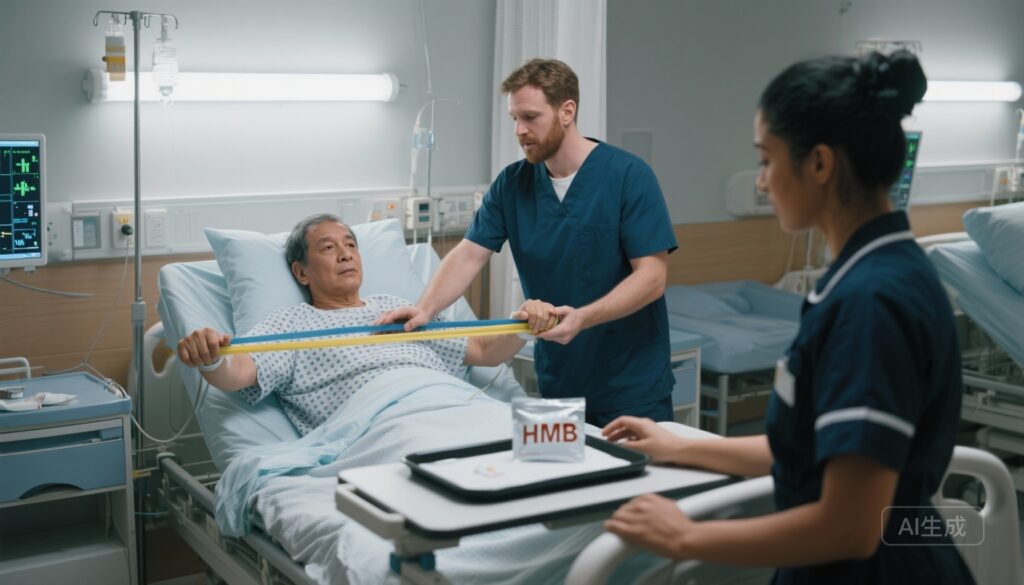
Resistance Training in the ICU Improves Muscle, Function, and Survival — HMB Adds Only Modest Benefit

Resistance Training in the ICU Improves Muscle, Function, and Survival — HMB Adds Only Modest Benefit

A multicenter 2×2 factorial RCT in 266 critically ill adults shows that in‑ICU resistance training improves discharge physical function, muscle mass, patient‑reported outcomes, and lowers 6‑ and 12‑month mortality; HMB supplementation produced only small gains in phase angle and fatigue with no additive effect.
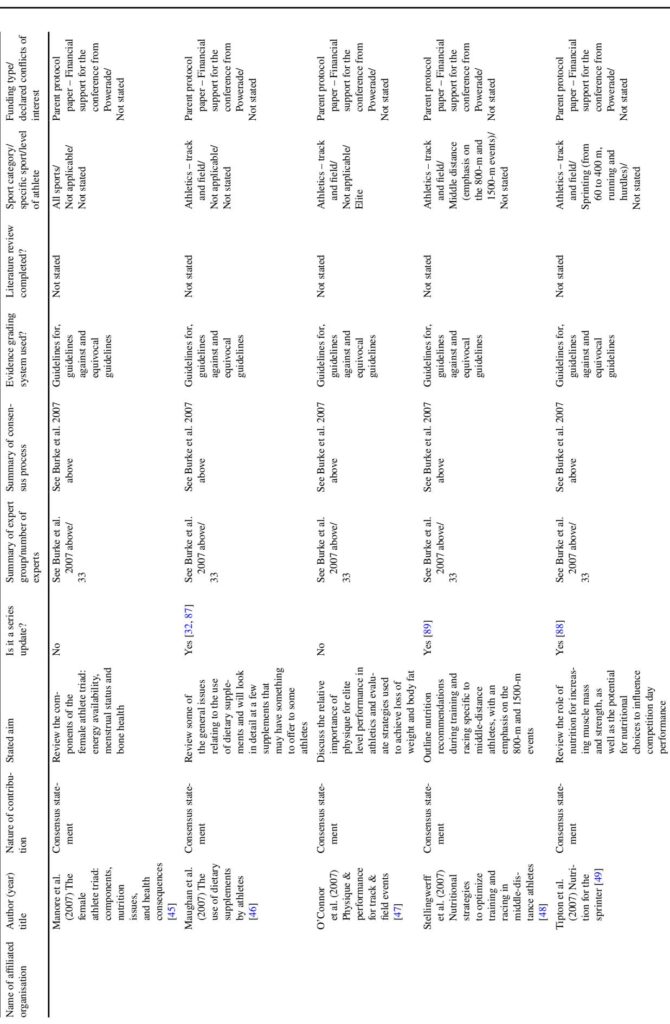
Clear, Safe, Sustainable: Expert Consensus on Dietary Strategies to Change Body Mass and Composition in Athletes (Scoping Review Summary)

Clear, Safe, Sustainable: Expert Consensus on Dietary Strategies to Change Body Mass and Composition in Athletes (Scoping Review Summary)

A practical, evidence-focused synthesis of 73 international consensus statements and position stands (Delany et al., 2025). Key takeaways: individualise targets, protect health (EA ≥30 kcal/kg FFM/day), use gradual rates, prioritise protein (≈1.6–2.4 g/kg/day), periodise carbohydrate, and be conservative with supplements.
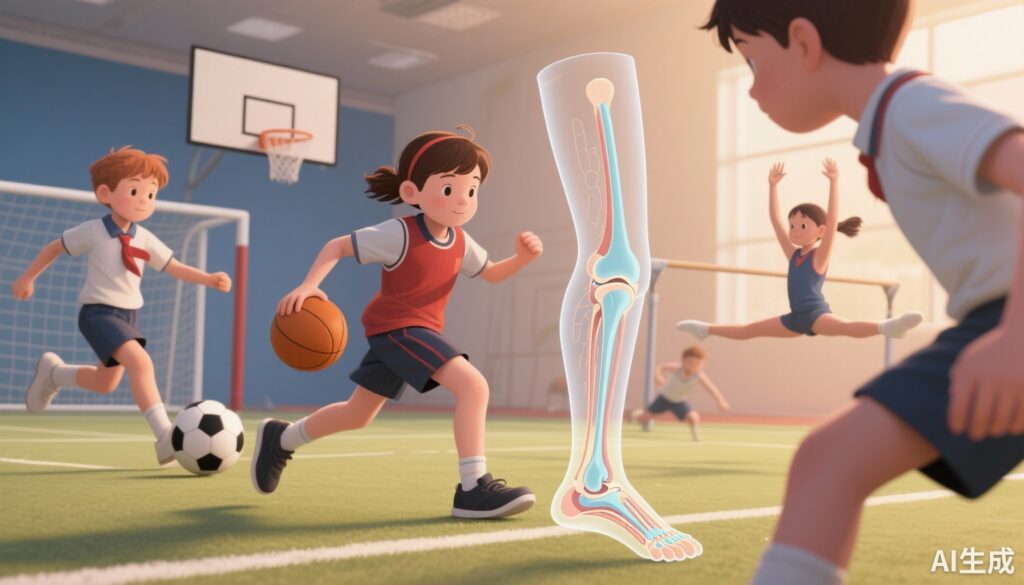
Unraveling Hamstring Injury Mechanisms and Eccentric Training Adaptations: Integrative Insights and Future Preventive Strategies

Unraveling Hamstring Injury Mechanisms and Eccentric Training Adaptations: Integrative Insights and Future Preventive Strategies

Hamstring injuries mainly occur during the late swing phase of running due to high eccentric forces and neural factors. Eccentric training reduces injury risk through complex muscle adaptations involving contractile, non-contractile, and neural components. Further research is essential to optimize prevention.
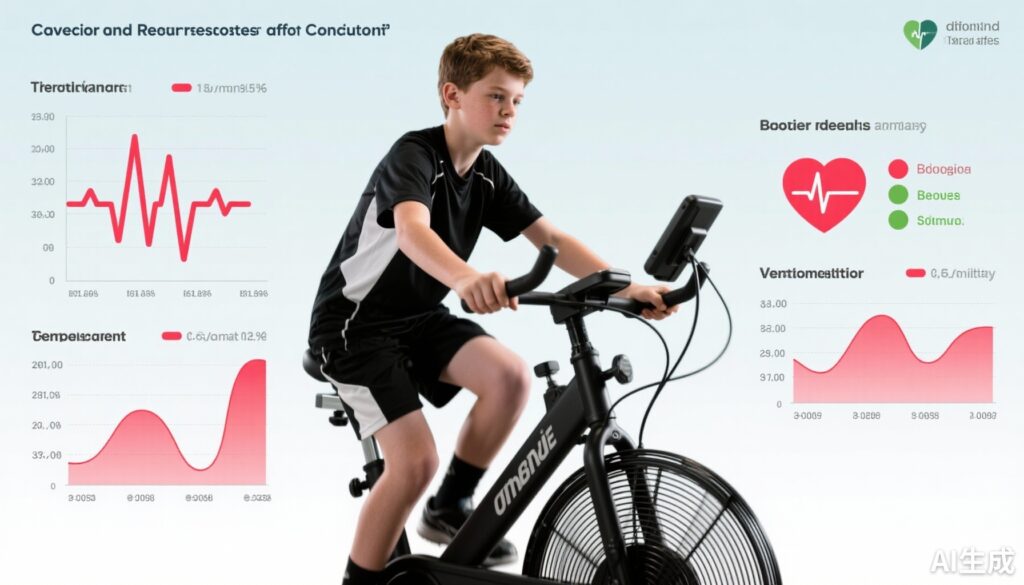
Cardiovascular and Respiratory Responses During Graded Exercise in Adolescents After Sport-Related Concussion: A Synthesis of Current Evidence

Cardiovascular and Respiratory Responses During Graded Exercise in Adolescents After Sport-Related Concussion: A Synthesis of Current Evidence

Exploring altered cardiopulmonary dynamics and exercise intolerance in adolescents post-sport-related concussion reveals attenuated cardiovascular responses independent of aerobic deconditioning, highlighting autonomic dysregulation as a key mechanism.
Higher Pre-Race Training Exposure but Reduced Training Frequency Associated with Faster Boston Marathon Times

Higher Pre-Race Training Exposure but Reduced Training Frequency Associated with Faster Boston Marathon Times

In 917 Boston Marathon registrants, higher habitual running volume and more quality sessions in the year preceding the race — paired with a relative reduction in training frequency in the last four months — were associated with faster race times after accounting for demographics and experience.
Optimizing Muscle Recovery: Evidence-Based Insights on Cold, Heat, Contrast, and Hypoxia Therapies for Post-Exercise Muscle Damage

Optimizing Muscle Recovery: Evidence-Based Insights on Cold, Heat, Contrast, and Hypoxia Therapies for Post-Exercise Muscle Damage

This review synthesizes evidence from randomized controlled trials on environmental stress-based therapies—cold, heat, contrast, and hypoxia—for enhancing muscle recovery after exercise-induced muscle damage, emphasizing the importance of application modalities for therapeutic efficacy.
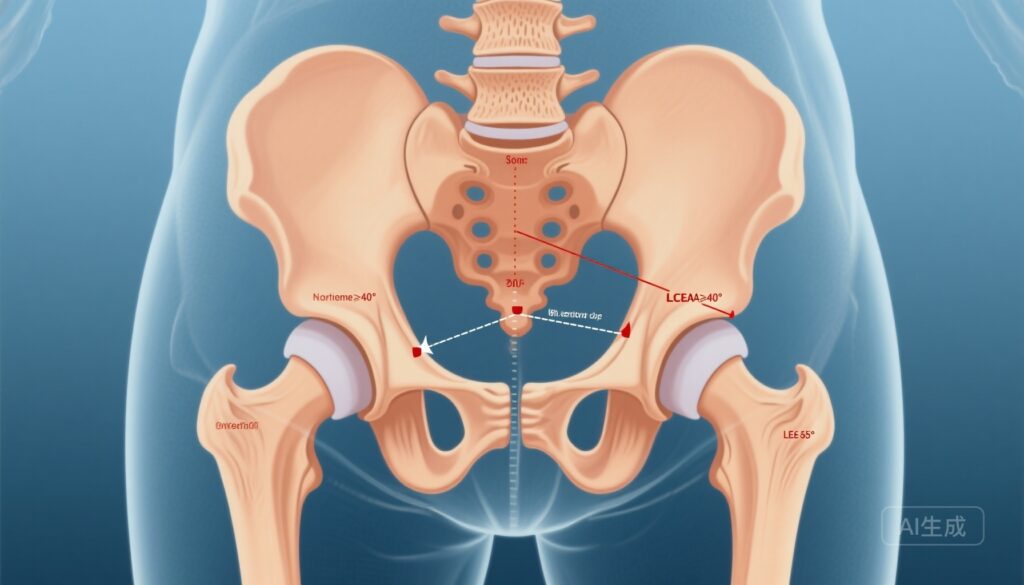
Two-thirds of ACL-injured Patients Avoid Surgery at 2 Years: Nationwide Registry Shows Rehab-first Strategy Often Works but Younger, Pivoting-sport Athletes and Meniscal Tears Predict Delayed Reconstruction

Two-thirds of ACL-injured Patients Avoid Surgery at 2 Years: Nationwide Registry Shows Rehab-first Strategy Often Works but Younger, Pivoting-sport Athletes and Meniscal Tears Predict Delayed Reconstruction

A Norwegian registry study reports that 63% of patients with primary ACL injury initially managed non‑operatively remained non‑operative at two years; younger age, participation in pivoting sports and baseline meniscal injury increased risk of delayed ACL reconstruction, while 2‑year KOOS scores were similar.
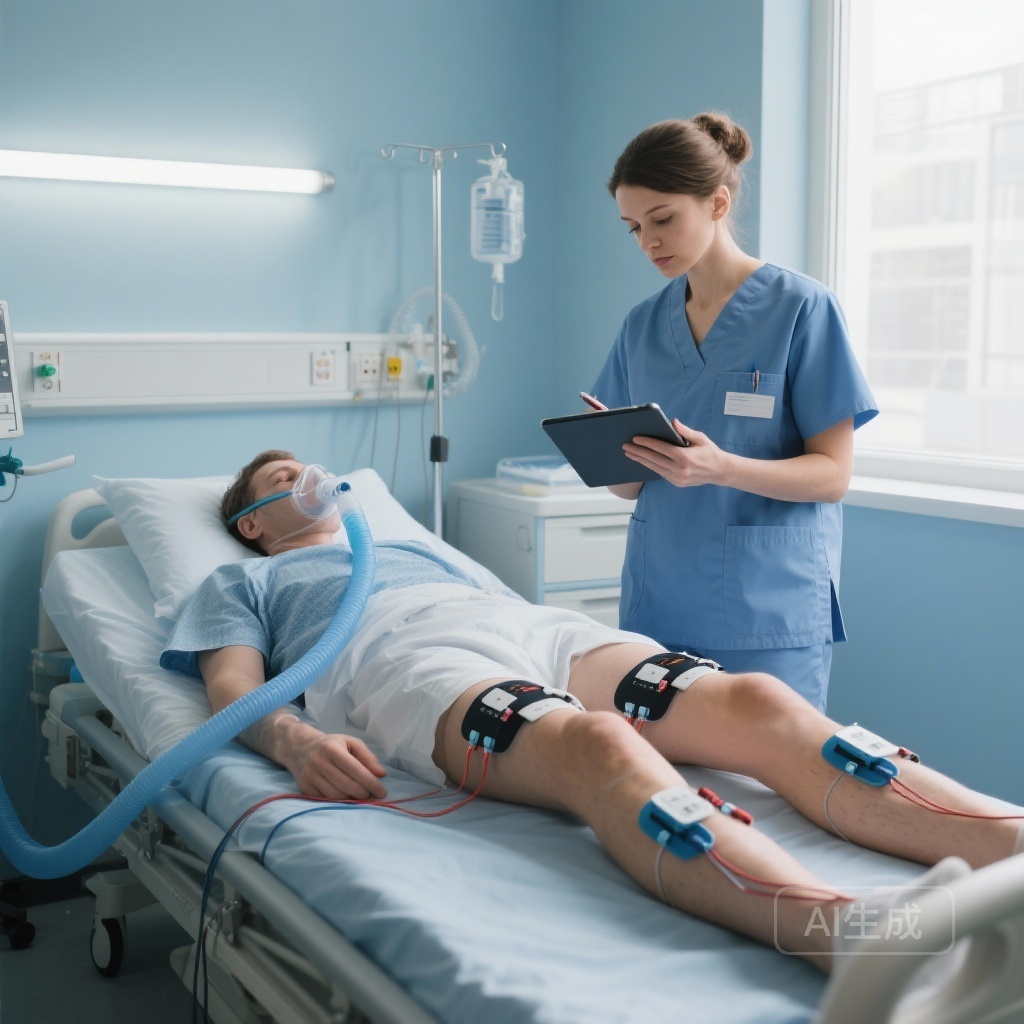
Evaluating the Cost-Effectiveness of Early In-Bed Cycling Plus Routine Physiotherapy in Mechanically Ventilated ICU Patients: Insights from the CYCLE Trial

Evaluating the Cost-Effectiveness of Early In-Bed Cycling Plus Routine Physiotherapy in Mechanically Ventilated ICU Patients: Insights from the CYCLE Trial

This economic evaluation from the CYCLE randomized trial found no significant cost or quality-adjusted life-year benefit by adding early in-bed cycling to usual physiotherapy for ICU patients on mechanical ventilation, underscoring a need for further research to clarify its value.