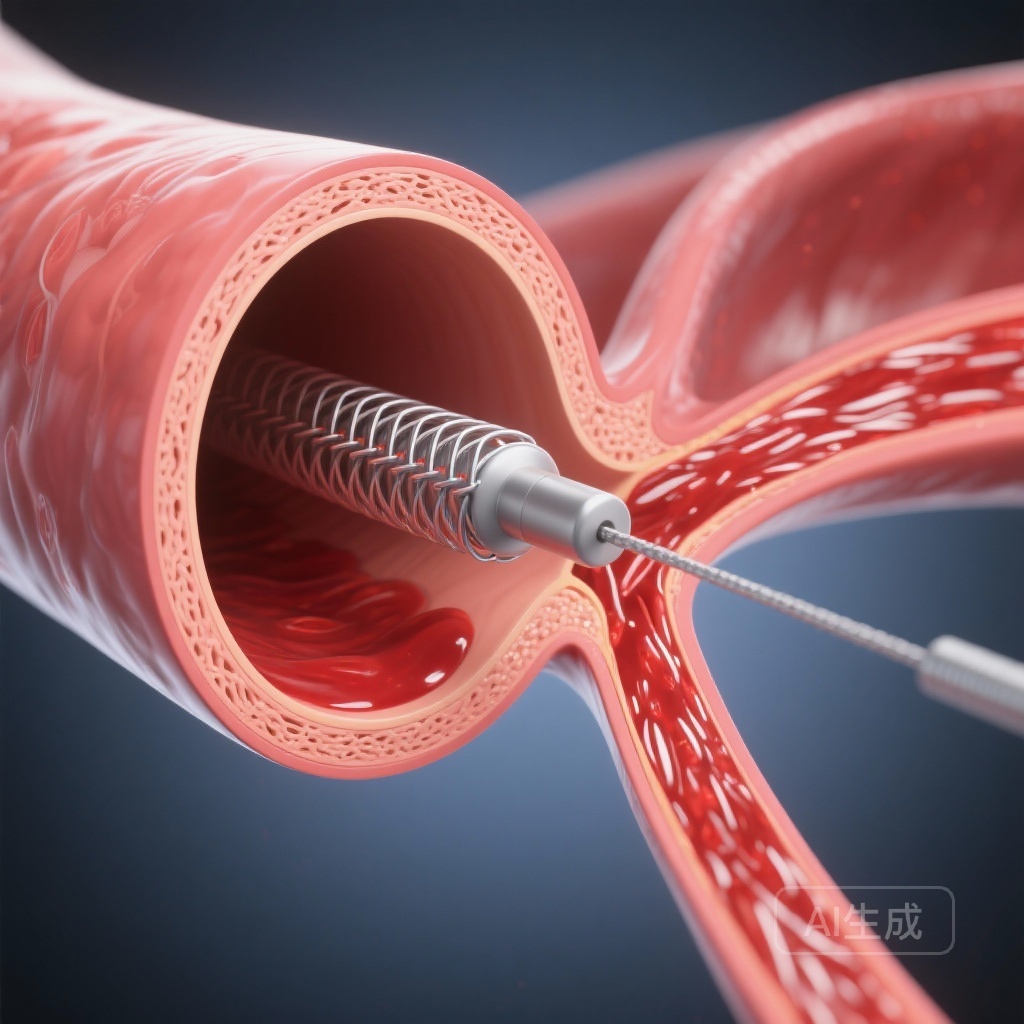
Emergent Carotid Stenting During Thrombectomy Superior for Tandem Lesion Stroke: Insights From the CERES-TANDEM Study

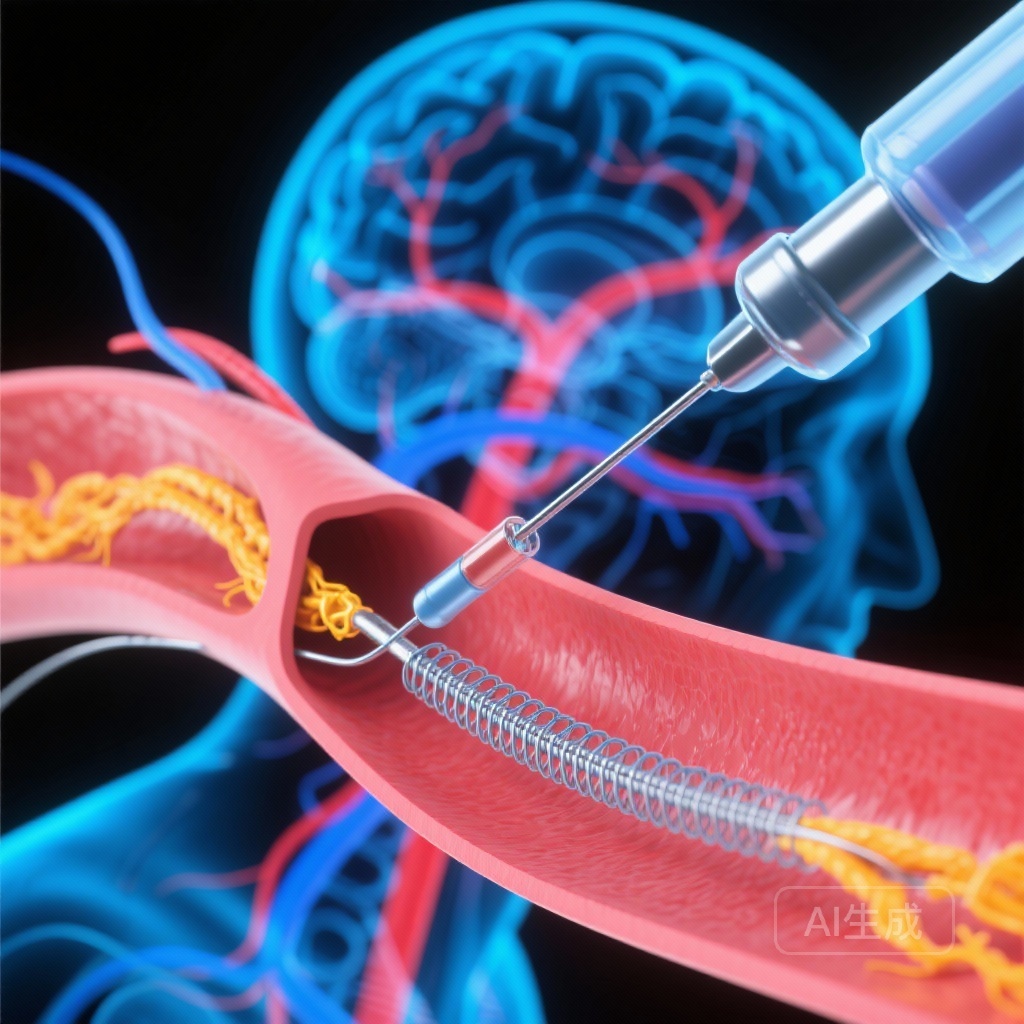
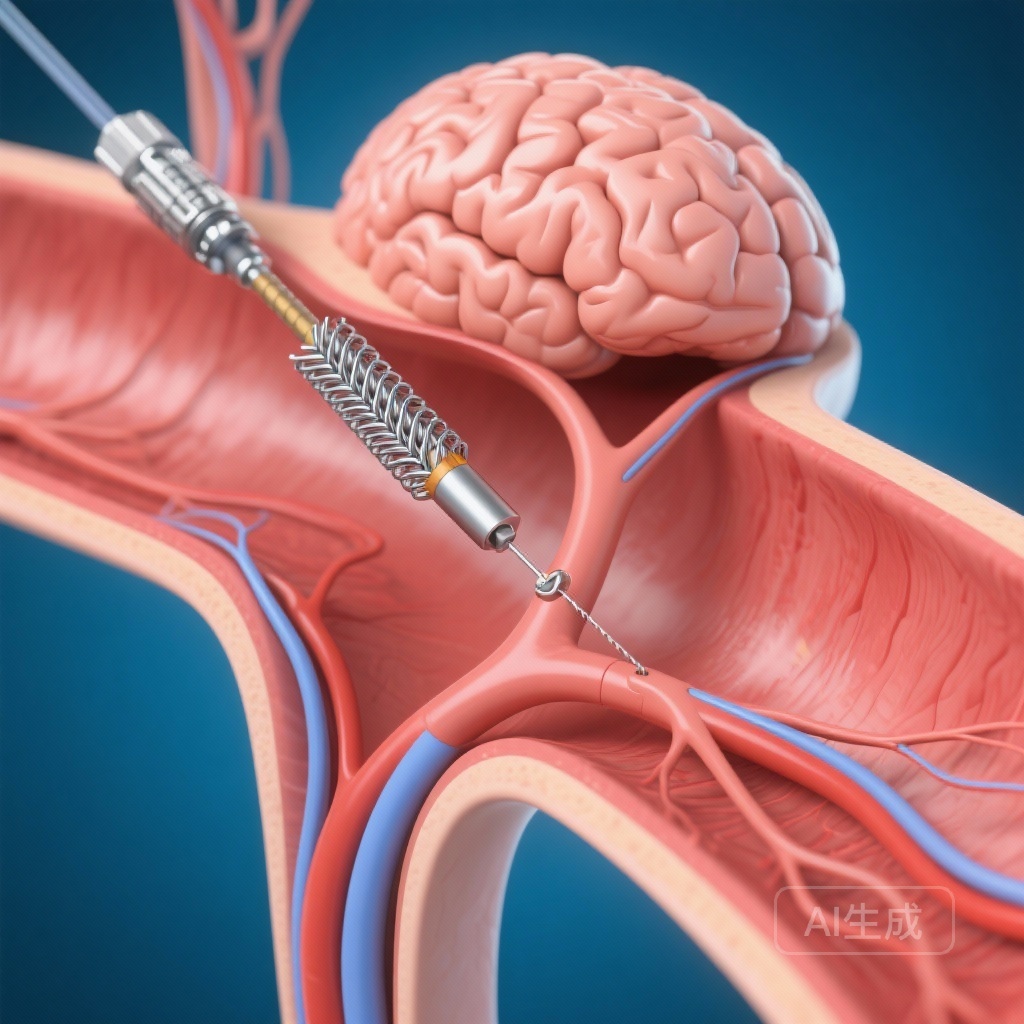
Emergent Carotid Stenting During Thrombectomy Superior for Tandem Lesion Stroke: Insights From the CERES-TANDEM Study

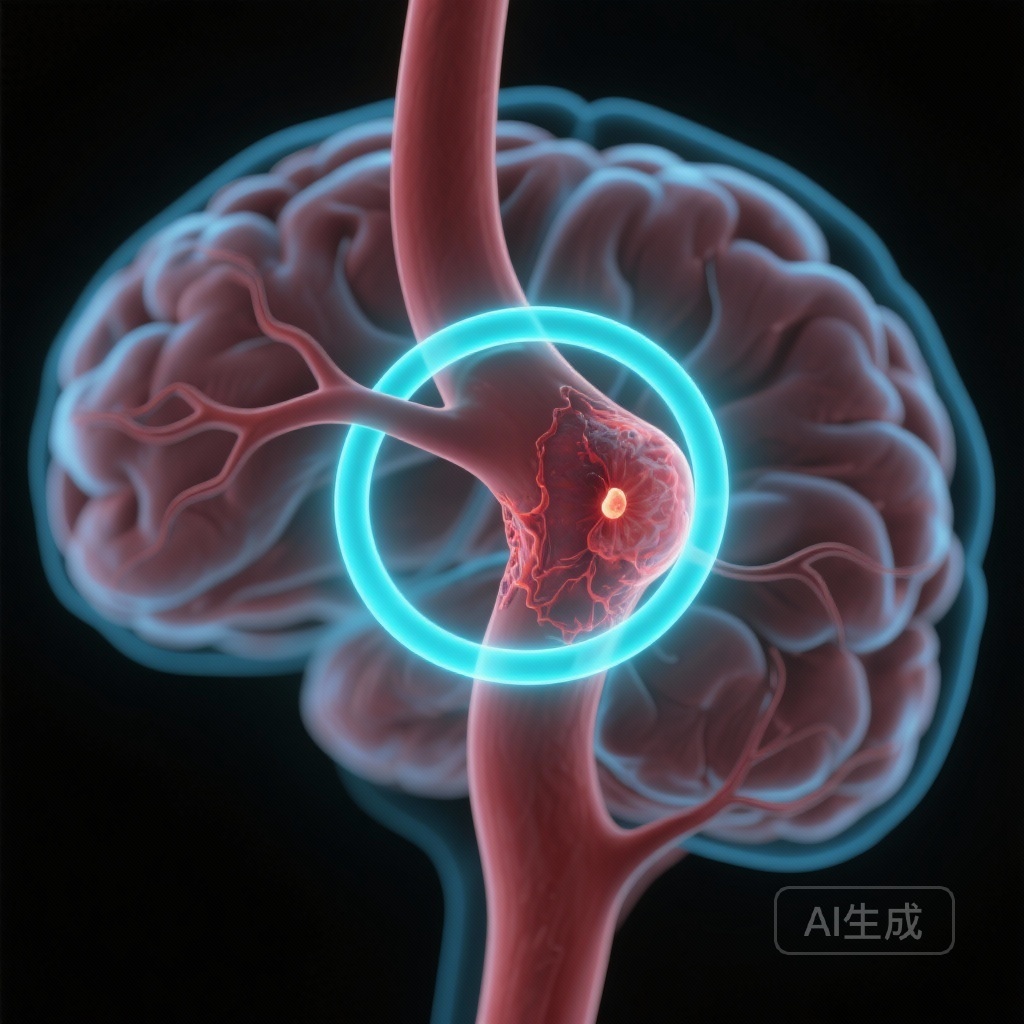
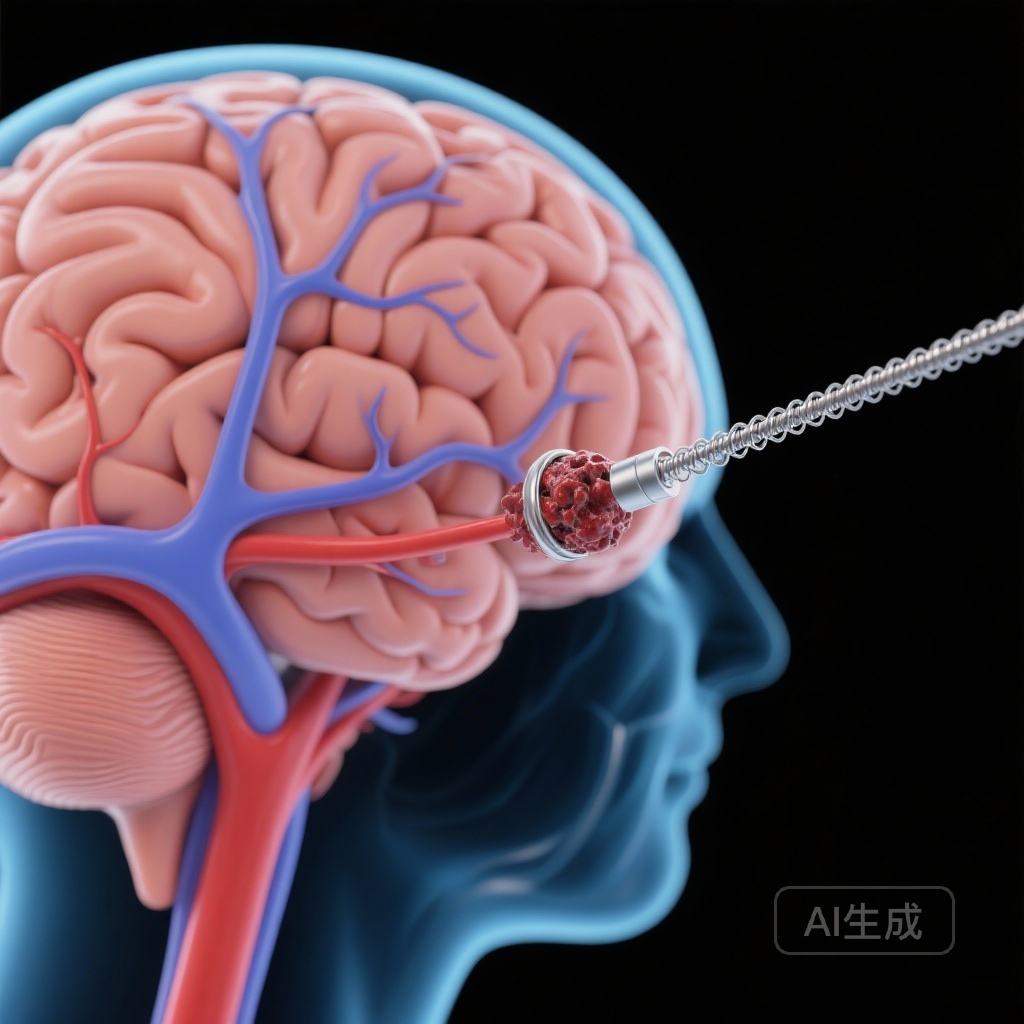
The CERES-TANDEM study provides Class II evidence that emergent carotid stenting (eCAS) during endovascular thrombectomy for tandem lesions significantly improves 90-day functional outcomes without increasing hemorrhagic risk, supporting its integration into clinical practice for acute anterior circulation ischemic stroke.
Refining Risk Stratification: The IsCHEMiA Score Outperforms Existing Models in Predicting Poststroke Epilepsy

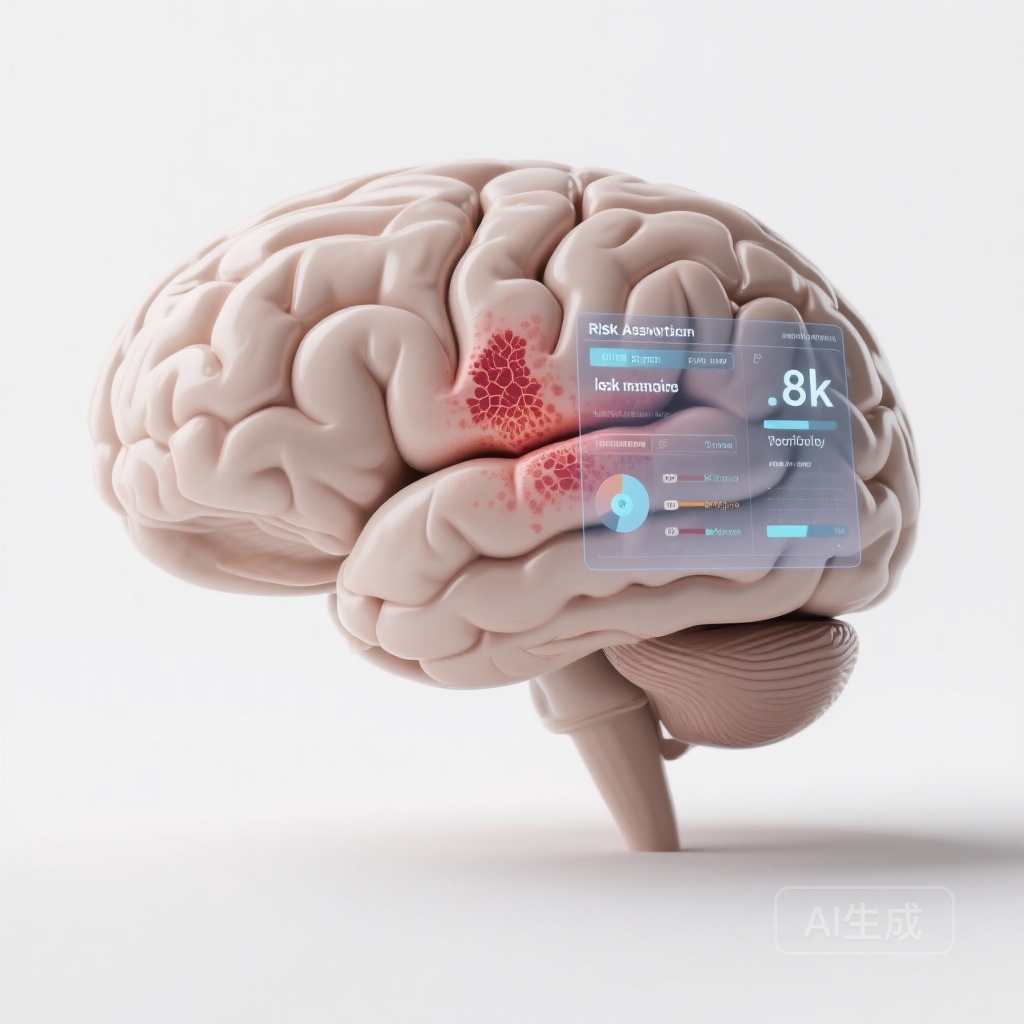
Refining Risk Stratification: The IsCHEMiA Score Outperforms Existing Models in Predicting Poststroke Epilepsy

The IsCHEMiA score, an imaging-based risk model validated across international cohorts, offers superior prediction of poststroke epilepsy compared to previous tools. By integrating clinical and neuroimaging markers, it provides a precise framework for personalized management and the design of future antiepileptogenic clinical trials.
Redefining Severity in Tricuspid Regurgitation: Why CMR-Derived Regurgitant Fraction and Liver Mapping Are the New Prognostic Gold Standards

Redefining Severity in Tricuspid Regurgitation: Why CMR-Derived Regurgitant Fraction and Liver Mapping Are the New Prognostic Gold Standards

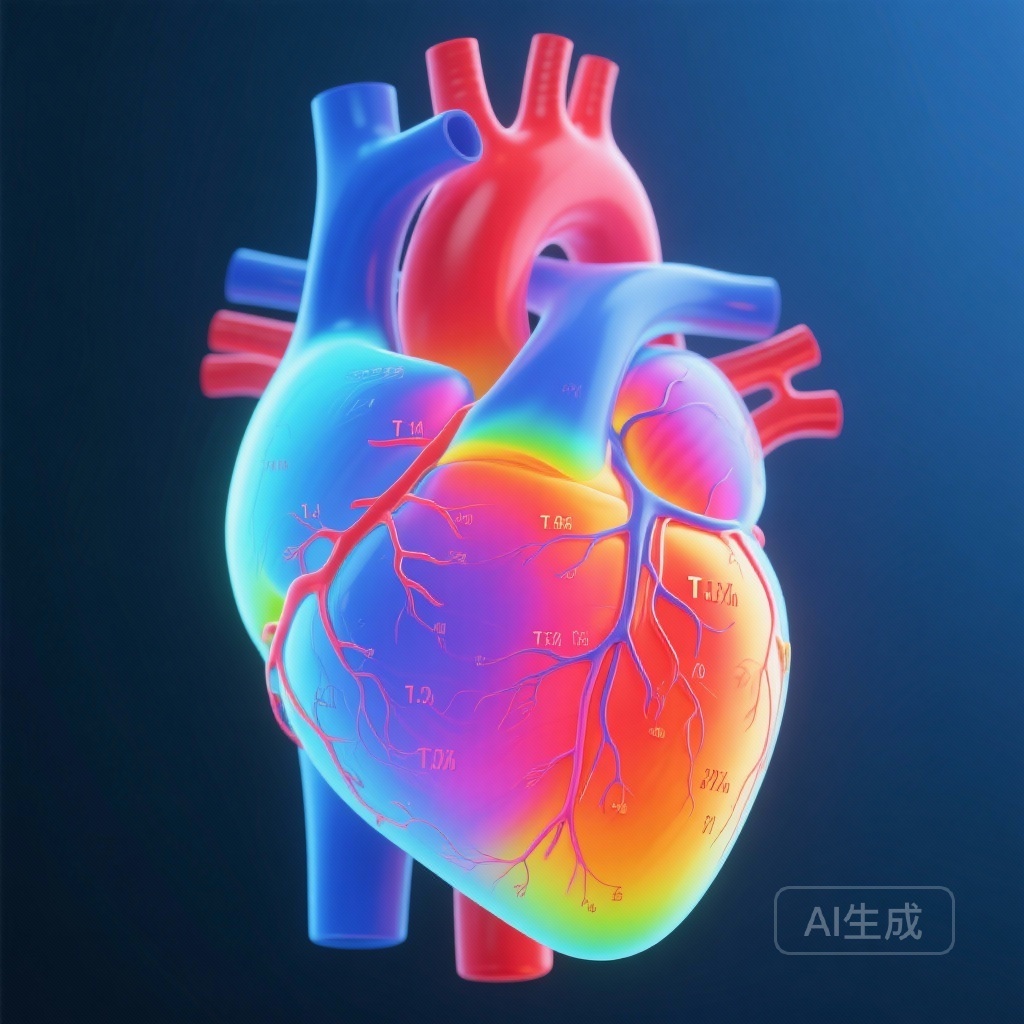
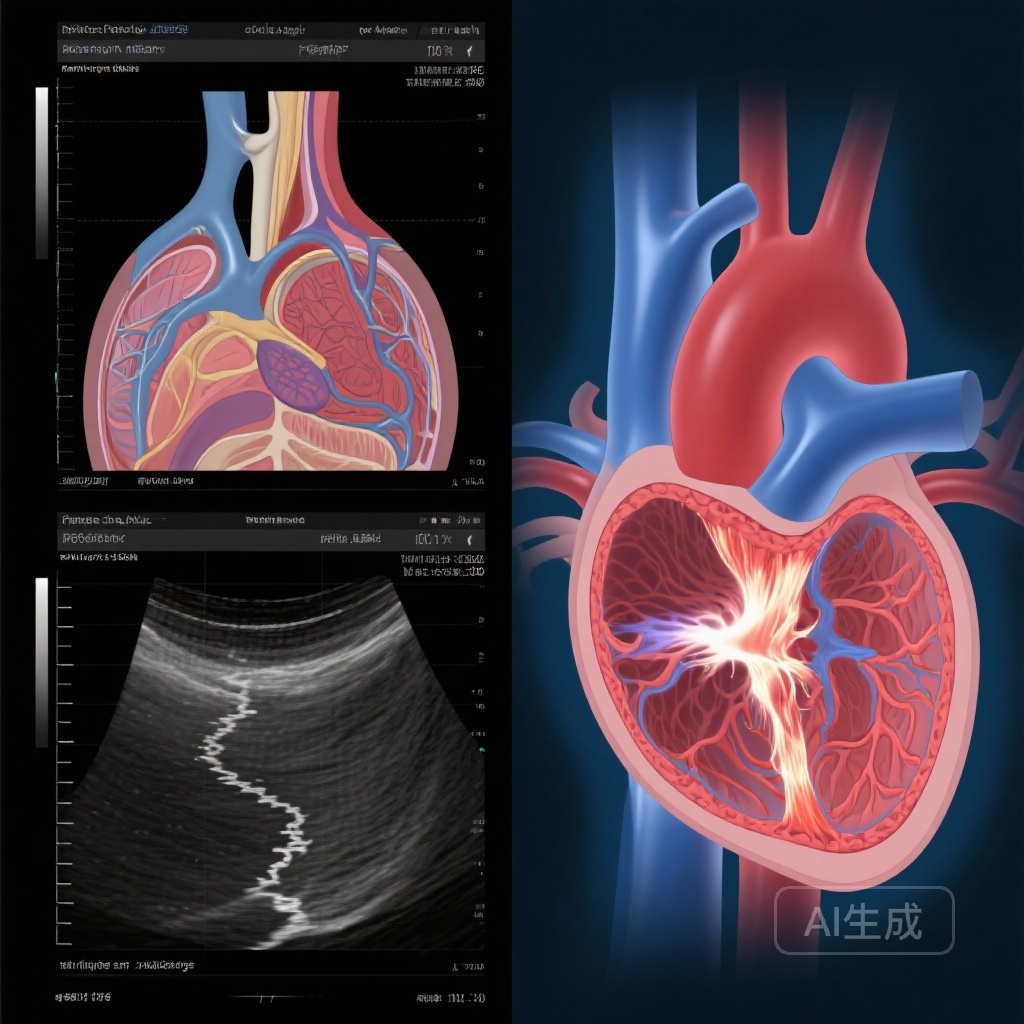
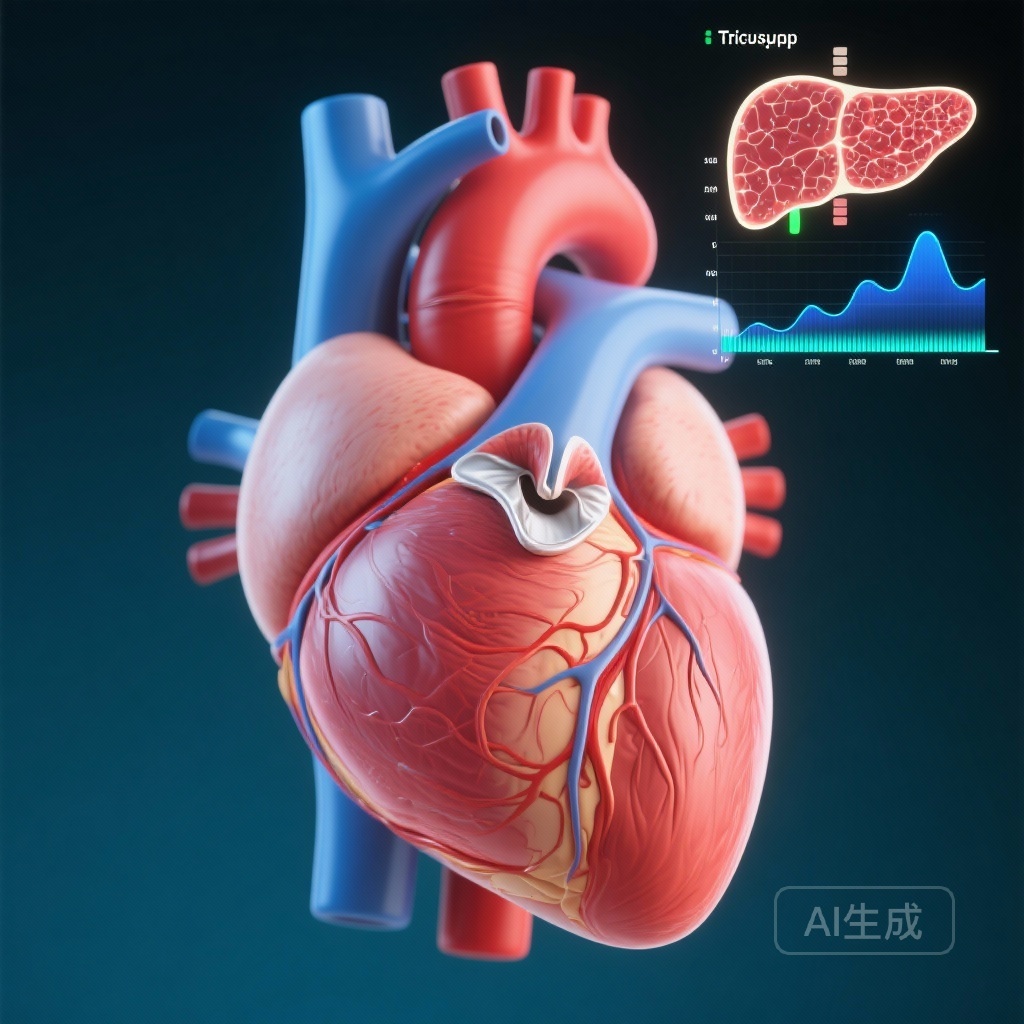
A landmark study in Circulation reveals that CMR-quantified tricuspid regurgitant fraction (TRF) ≥20% significantly increases mortality risk, while liver extracellular volume (L-ECV) mapping provides a novel, potent biomarker for systemic congestion and right heart failure outcomes.
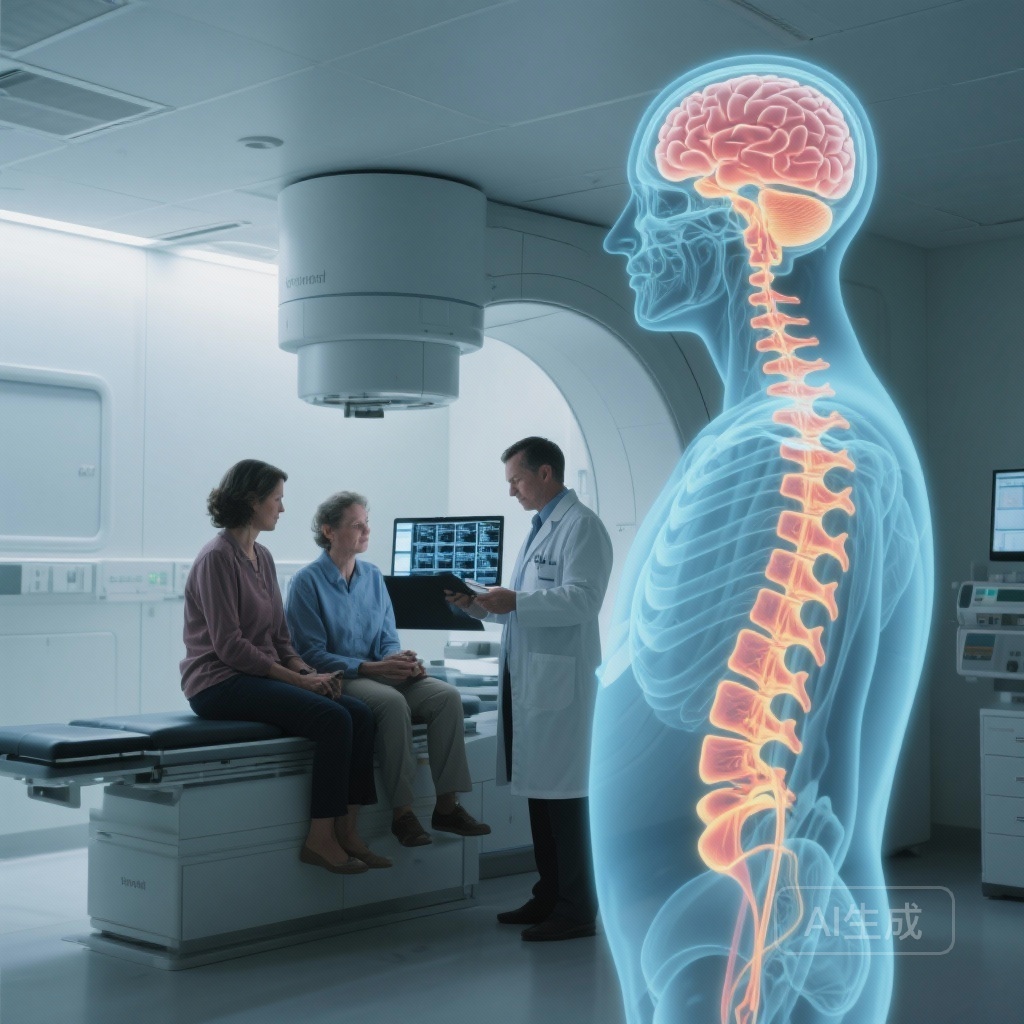
GLIAA Trial Results: Contrast-Enhanced MRI Remains the Gold Standard for Re-irradiation Planning in Recurrent Glioblastoma

GLIAA Trial Results: Contrast-Enhanced MRI Remains the Gold Standard for Re-irradiation Planning in Recurrent Glioblastoma

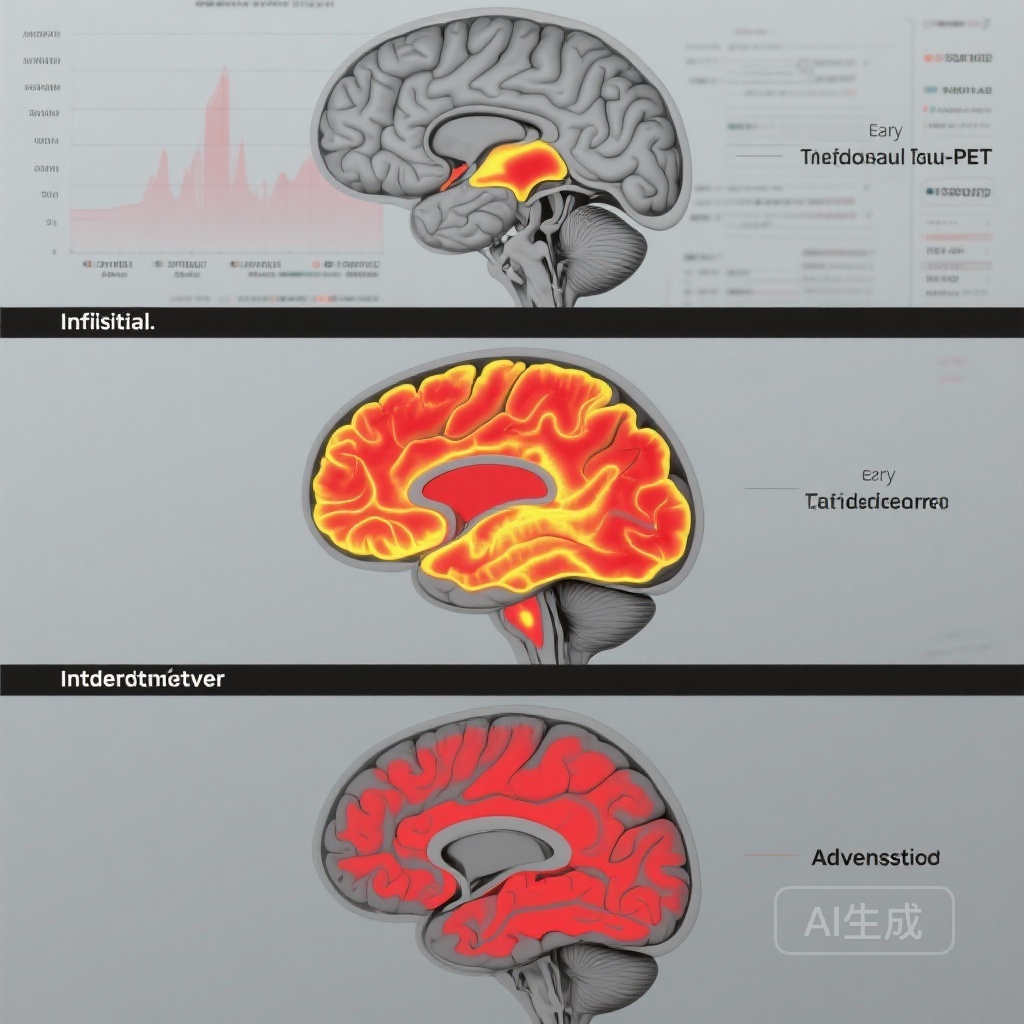
The multicenter GLIAA trial demonstrated that FET-PET-guided target volume delineation for re-irradiation does not provide a progression-free survival benefit over standard contrast-enhanced T1-weighted MRI in patients with recurrent glioblastoma, solidifying MRI's role as the preferred clinical delineation method.