High‑Intensity Interval Training Fails to Rescue Hippocampal Integrity in Adults With Cannabis Use Disorder — but Exercise Is Feasible and May Reduce Craving

High‑Intensity Interval Training Fails to Rescue Hippocampal Integrity in Adults With Cannabis Use Disorder — but Exercise Is Feasible and May Reduce Craving

A randomized trial in adults with moderate–severe cannabis use disorder found 12 weeks of supervised HIIT did not improve a composite MRI measure of hippocampal integrity versus strength/resistance training; exercise participation was feasible and may reduce cannabis craving.
Distinct and Shared Risk Profiles for Suicide Attempt Versus Suicide: Insights from Danish Registers and Genomic Data

Distinct and Shared Risk Profiles for Suicide Attempt Versus Suicide: Insights from Danish Registers and Genomic Data

A large Danish register and genetic study shows overlapping but distinct environmental and genetic risk factors for nonfatal suicide attempts and death by suicide, with chronic and functional health problems linked more to attempts and severe somatic illness and psychopathology-related genetics more to suicide.
Intimacy, Intranasal Oxytocin, and Faster Wound Healing: A Randomized Trial Linking Touch, Sex, and Neuroendocrine Recovery

Intimacy, Intranasal Oxytocin, and Faster Wound Healing: A Randomized Trial Linking Touch, Sex, and Neuroendocrine Recovery

A double‑blind RCT in 160 healthy adults found that intranasal oxytocin combined with structured positive interaction and daily physical intimacy (affectionate touch, sex) was associated with reduced cortisol and modestly faster dermatologic wound healing, with caveats on robustness and generalizability.
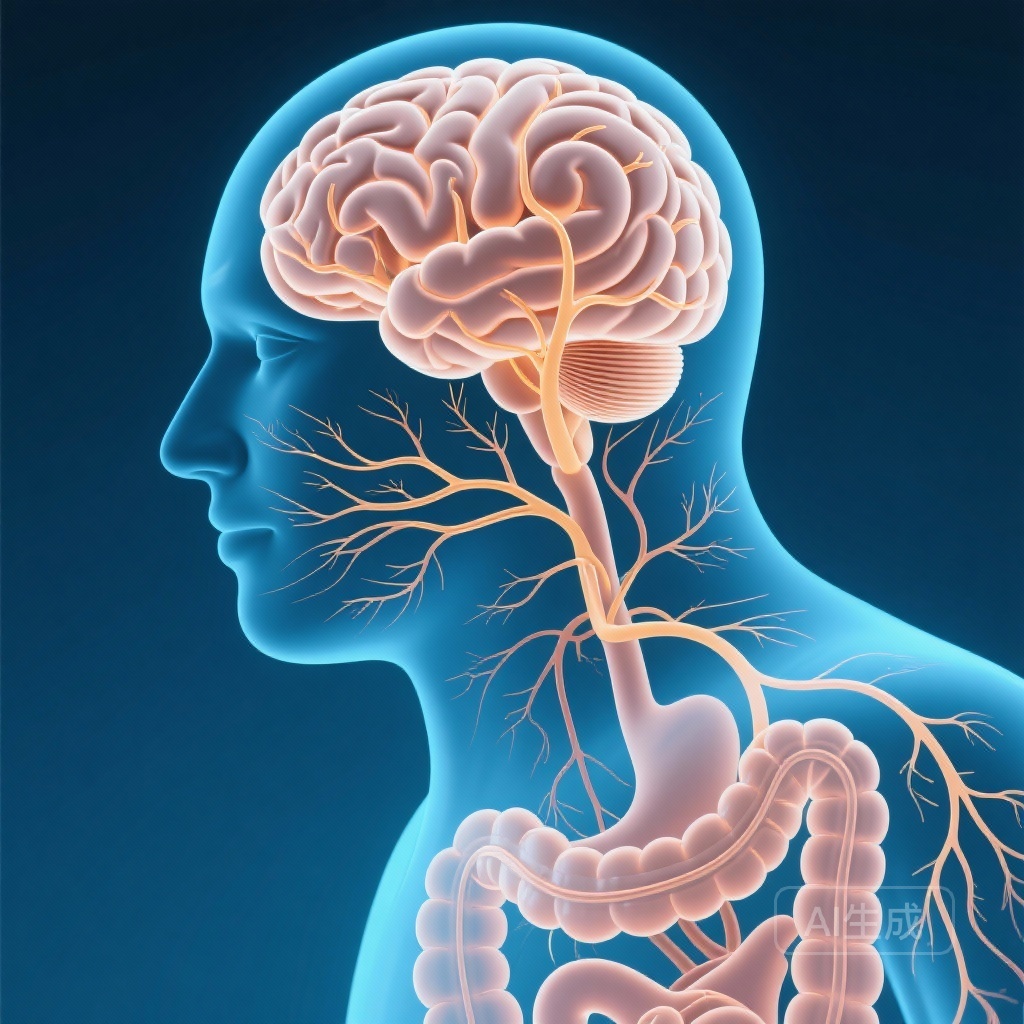
High Burden of ARFID Symptoms in Adults with Disorders of Gut–Brain Interaction: A Population-Based Study Signals Need for Routine Screening

High Burden of ARFID Symptoms in Adults with Disorders of Gut–Brain Interaction: A Population-Based Study Signals Need for Routine Screening

A 2023 population survey of 4,002 adults in the UK and US found that positive screens for avoidant/restrictive food intake disorder (ARFID) were common among people with disorders of gut–brain interaction (DGBI) and associated with greater health burden, underweight, poorer quality of life, and higher healthcare use.
How Much Aerobic Exercise Is Enough to Reduce Depression in Patients with Chronic Illness? A Dose–Response Meta-analysis Points to an Achievable Target

How Much Aerobic Exercise Is Enough to Reduce Depression in Patients with Chronic Illness? A Dose–Response Meta-analysis Points to an Achievable Target

A meta-analysis of 36 RCTs (n=2,500) found aerobic exercise significantly reduces depressive symptoms in people with chronic illness (Hedges' g -0.73). A weekly dose of ≈405 MET‑min (≈120–135 min of moderate aerobic activity) reaches a minimally important symptom change.