Planetary Health Diet and Cardiometabolic Risk Reduction in Women with Gestational Diabetes: An Evidence-Based Review

Planetary Health Diet and Cardiometabolic Risk Reduction in Women with Gestational Diabetes: An Evidence-Based Review

This review synthesizes evidence linking adherence to the Planetary Health Diet with reduced risks of myocardial infarction, type 2 diabetes, and improved weight management in women post-gestational diabetes, highlighting BMI's mediating role.
Epinephrine Timing and Dosing in Pediatric In‑Hospital Cardiac Arrest: Mixed Signals — improved ROSC but unclear survival benefit

Epinephrine Timing and Dosing in Pediatric In‑Hospital Cardiac Arrest: Mixed Signals — improved ROSC but unclear survival benefit

Recent multicenter studies show earlier and more frequent epinephrine in pediatric in‑hospital cardiac arrest increases ROSC and shortens CPR, but does not consistently improve survival to discharge or favorable neurologic outcome. Evidence supports rapid epinephrine for hemodynamics and ROSC; survival effects remain uncertain.
Offering Multiple Appropriate Alternatives Increases Primary Care Physicians’ Adoption of Recommended Care: A Randomized Trial

Offering Multiple Appropriate Alternatives Increases Primary Care Physicians’ Adoption of Recommended Care: A Randomized Trial

A randomized trial of 402 US primary care physicians found that presenting two or more appropriate treatment alternatives (vs one) increased clinicians’ likelihood of changing from a status quo plan to an evidence‑based alternative, especially for opioid prescribing; adding options beyond two provided no further benefit.
Pediatric In‑Hospital Cardiac Arrest: Why Adult Resuscitation Lessons Don’t Fully Translate — Airway, Epinephrine, and the Limits of Training

Pediatric In‑Hospital Cardiac Arrest: Why Adult Resuscitation Lessons Don’t Fully Translate — Airway, Epinephrine, and the Limits of Training

Recent multicenter studies show declining intra‑arrest intubation, no clear harm from intubation after time‑dependent matching, unclear benefit of epinephrine before defibrillation, and no survival gain from intensive point‑of‑care CPR training—highlighting pediatric physiology and knowledge gaps.
Prehospital Postintubation Hypotension Strongly Linked to 30‑Day Mortality After Severe Traumatic Brain Injury — Especially in Isolated TBI

Prehospital Postintubation Hypotension Strongly Linked to 30‑Day Mortality After Severe Traumatic Brain Injury — Especially in Isolated TBI

A multicenter cohort study of 555 patients with severe TBI who underwent prehospital rapid sequence induction found postintubation hypotension (SBP <90 mmHg within 10 minutes) in 19.1%, which was associated with higher 30‑day mortality (AOR 1.70). The association was markedly stronger in isolated TBI (AOR 13.55).
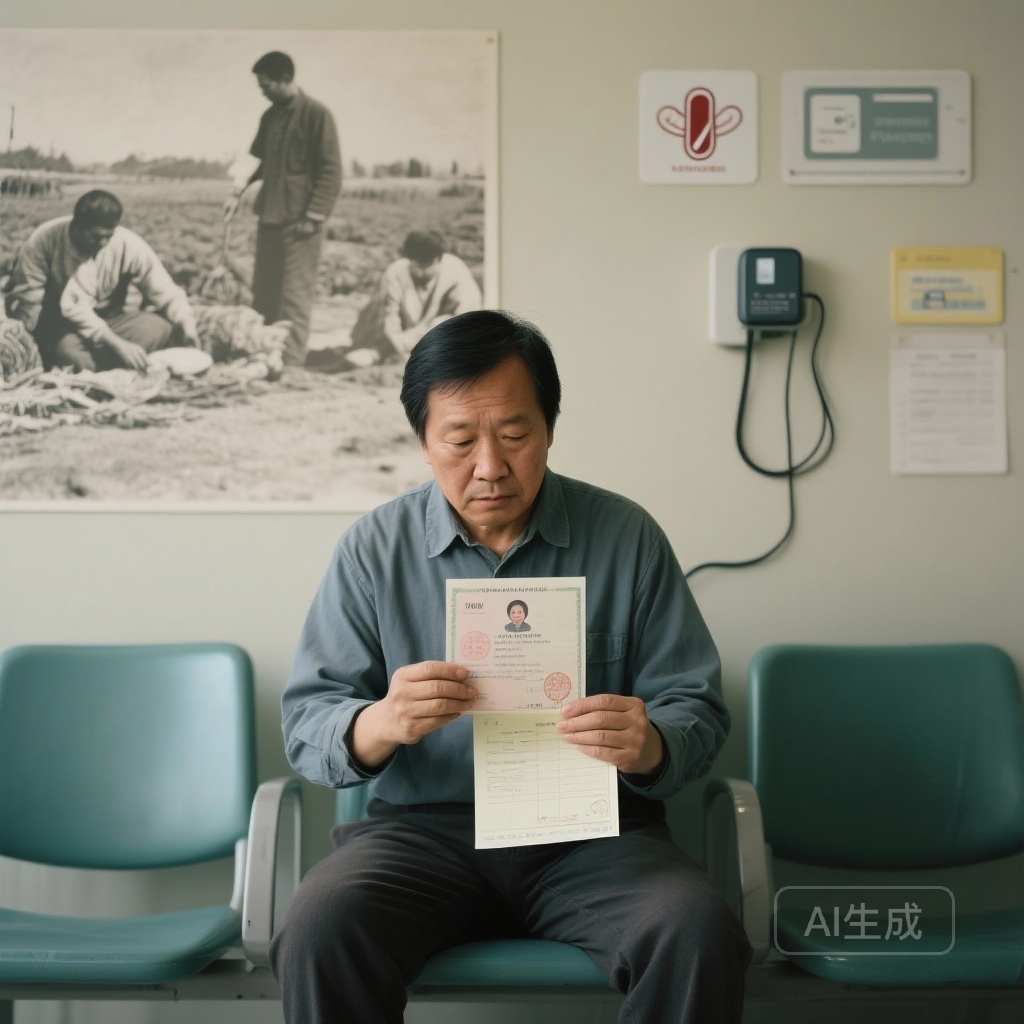
Early-Life Famine Exposure in Chinese Immigrants Strongly Linked to Later Diabetes and Hypertension — But Not Cardiovascular Hospitalization

Early-Life Famine Exposure in Chinese Immigrants Strongly Linked to Later Diabetes and Hypertension — But Not Cardiovascular Hospitalization

A large Ontario cohort study links early-life exposure to the Great Chinese Famine with higher adult risks of type 2 diabetes and hypertension among Chinese immigrants, while cardiovascular hospitalization was not increased; methodological caveats underline need for age-balanced research.
Tailored Digital Emotion Regulation Improves Mental Health in Adults With Congenital Heart Disease: Results of a National Randomized Trial

Tailored Digital Emotion Regulation Improves Mental Health in Adults With Congenital Heart Disease: Results of a National Randomized Trial

A 3‑arm randomized trial in 524 adults with congenital heart disease found a 4‑week tailored digital emotion‑regulation program produced moderate improvements in emotion regulation and multiple psychosocial outcomes versus usual care; a general program showed delayed, smaller benefits.
Early Neuromuscular Electrical Stimulation Plus Mobilization Improves 6‑Month Function and Quality of Life After Critical Illness

Early Neuromuscular Electrical Stimulation Plus Mobilization Improves 6‑Month Function and Quality of Life After Critical Illness

In a randomized, blinded trial of 74 mechanically ventilated ICU patients, adding early NMES to an early mobilization program started within 48 hours improved functional status, independence, mobility, and quality of life up to 6 months after discharge versus mobilization alone.
ICU Structure and Care Processes Drive VAP and CLABSI Burden in Brazilian ICUs: Insights from the IMPACTO‑MR Nested Cohort

ICU Structure and Care Processes Drive VAP and CLABSI Burden in Brazilian ICUs: Insights from the IMPACTO‑MR Nested Cohort

A large multicenter Brazilian cohort found that ICU-level structure and process measures — staffing, prevention protocols, hand hygiene training, visitation policies, and specific clinical roles — explain substantial between-hospital variability and are associated with lower VAP and CLABSI rates.