Guided Antiplatelet De-escalation Proves Safe in High Atherothrombotic Risk ACS Patients: Insights from TROPICAL-ACS

Guided Antiplatelet De-escalation Proves Safe in High Atherothrombotic Risk ACS Patients: Insights from TROPICAL-ACS

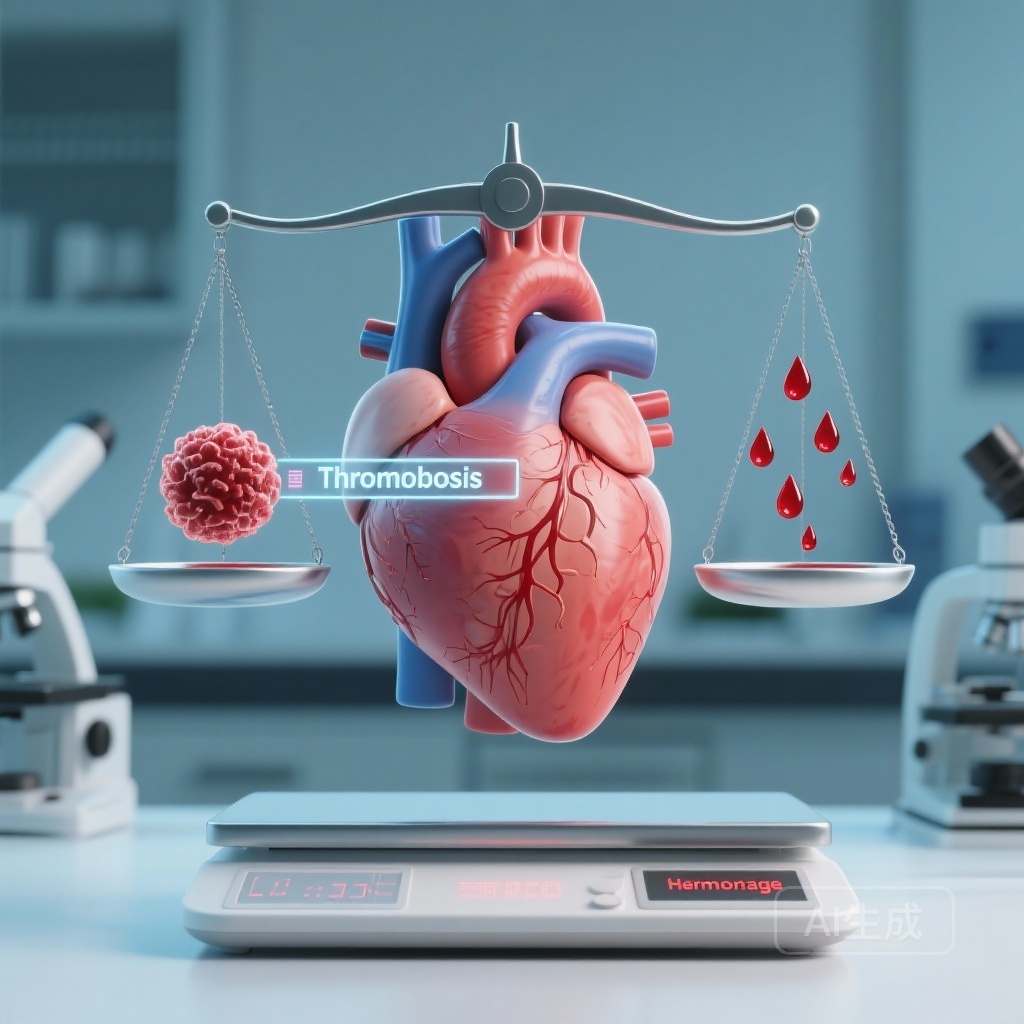
Post-hoc analysis of the TROPICAL-ACS trial demonstrates that platelet function testing-guided de-escalation of dual antiplatelet therapy from prasugrel to clopidogrel is safe and effective in ACS patients, regardless of their atherothrombotic risk profile, offering a viable strategy for individualized care.
Beyond the Lungs: How Ambient Air Pollution Drives Alzheimer’s Neuropathology and Cognitive Decline

Beyond the Lungs: How Ambient Air Pollution Drives Alzheimer’s Neuropathology and Cognitive Decline

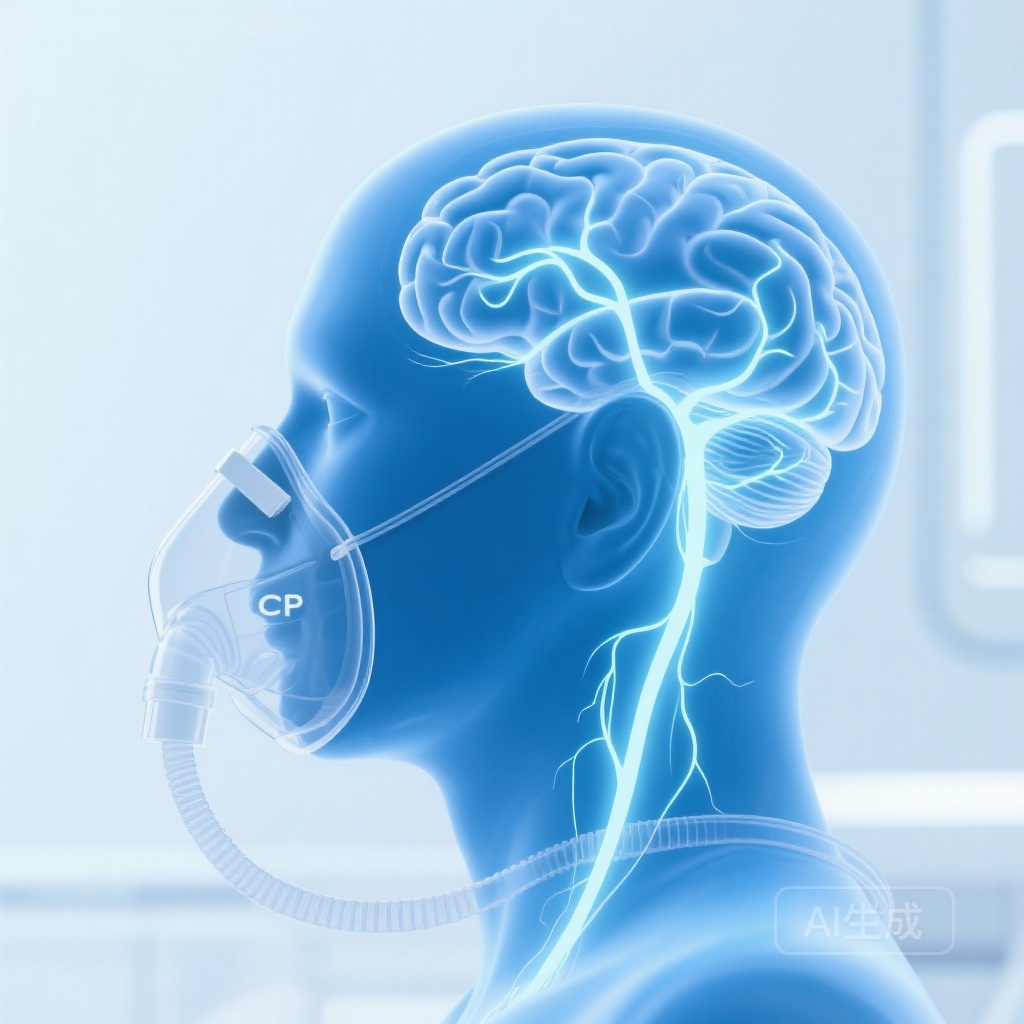
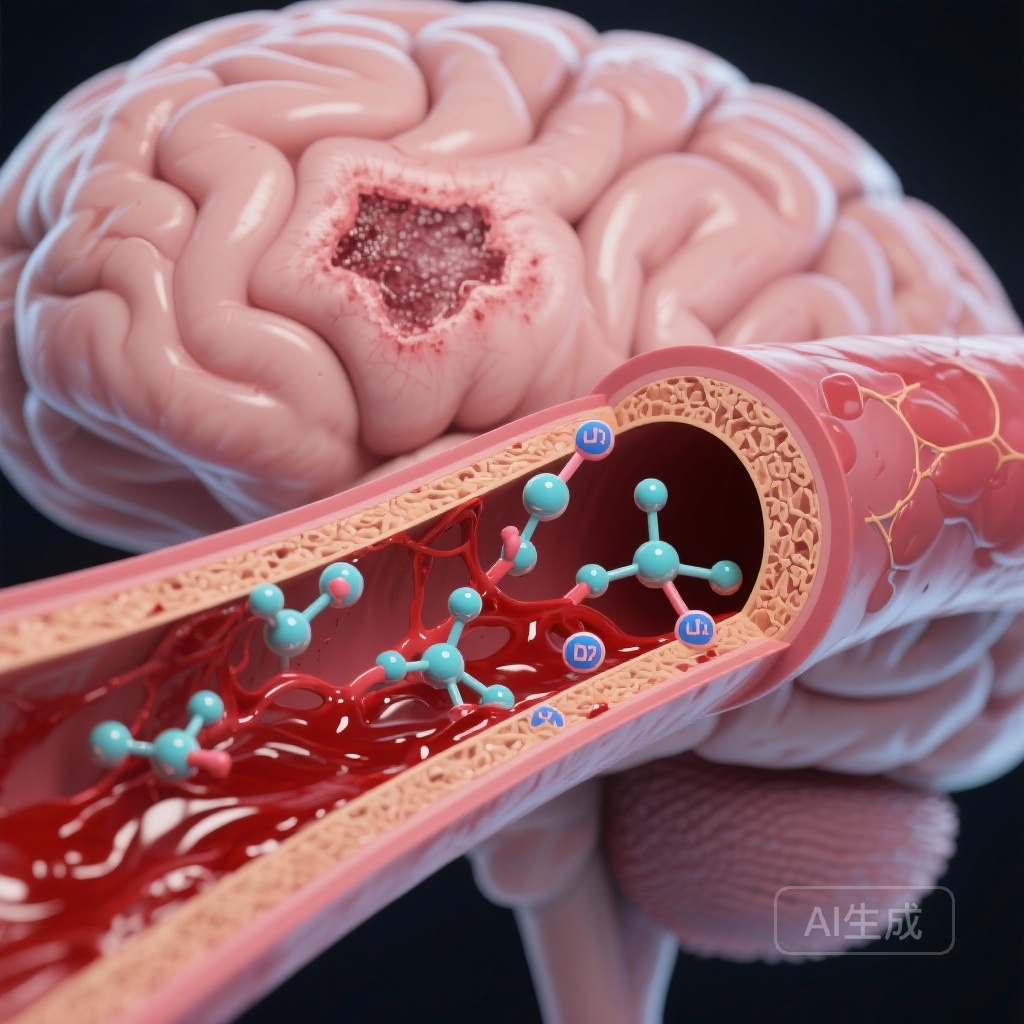
Emerging evidence confirms that air pollution, particularly PM2.5 and NO2, is directly associated with Alzheimer’s neuropathology, structural brain changes, and cognitive decline. New research highlights that these effects are partially mediated by pulmonary function and manifest as increased amyloid-related pathology at autopsy.
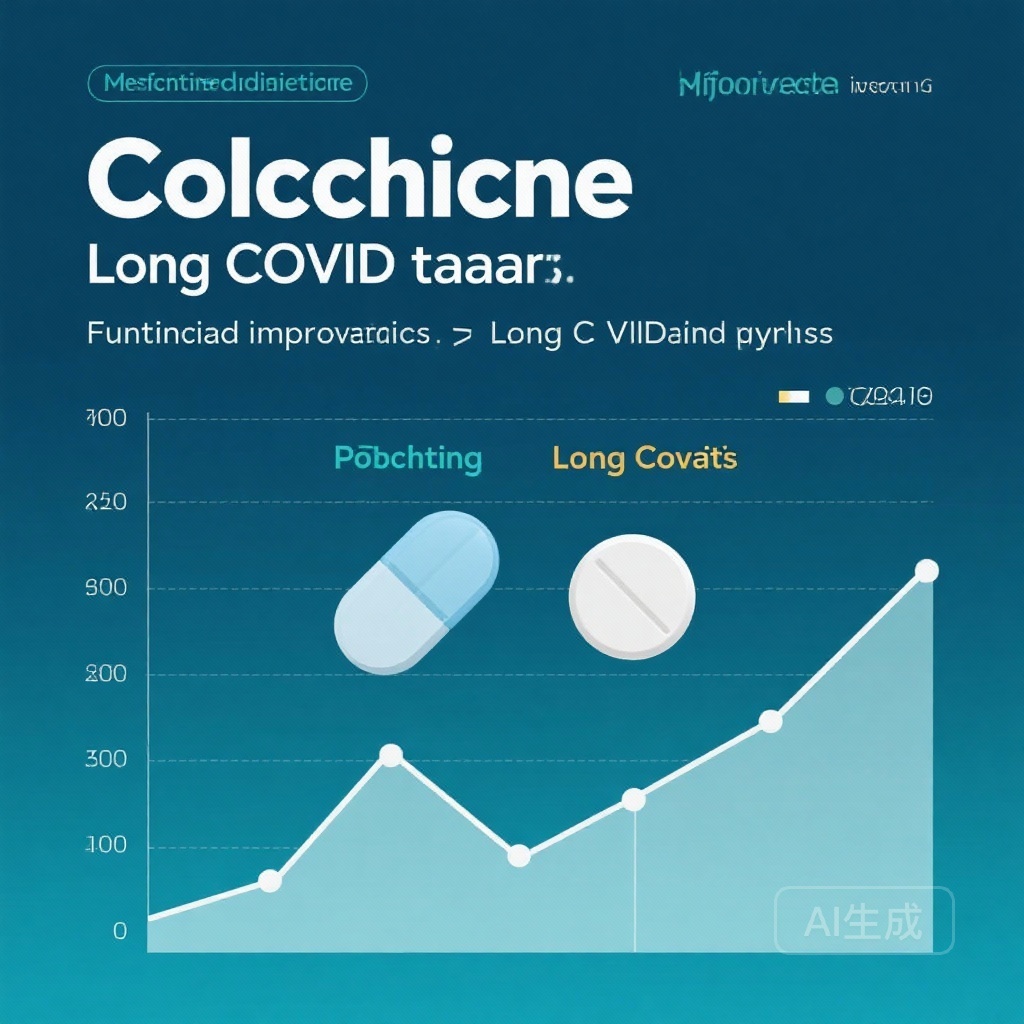
Colchicine for Long COVID: Randomized Trial Finds No Benefit in Functional Recovery or Inflammatory Resolution

Colchicine for Long COVID: Randomized Trial Finds No Benefit in Functional Recovery or Inflammatory Resolution

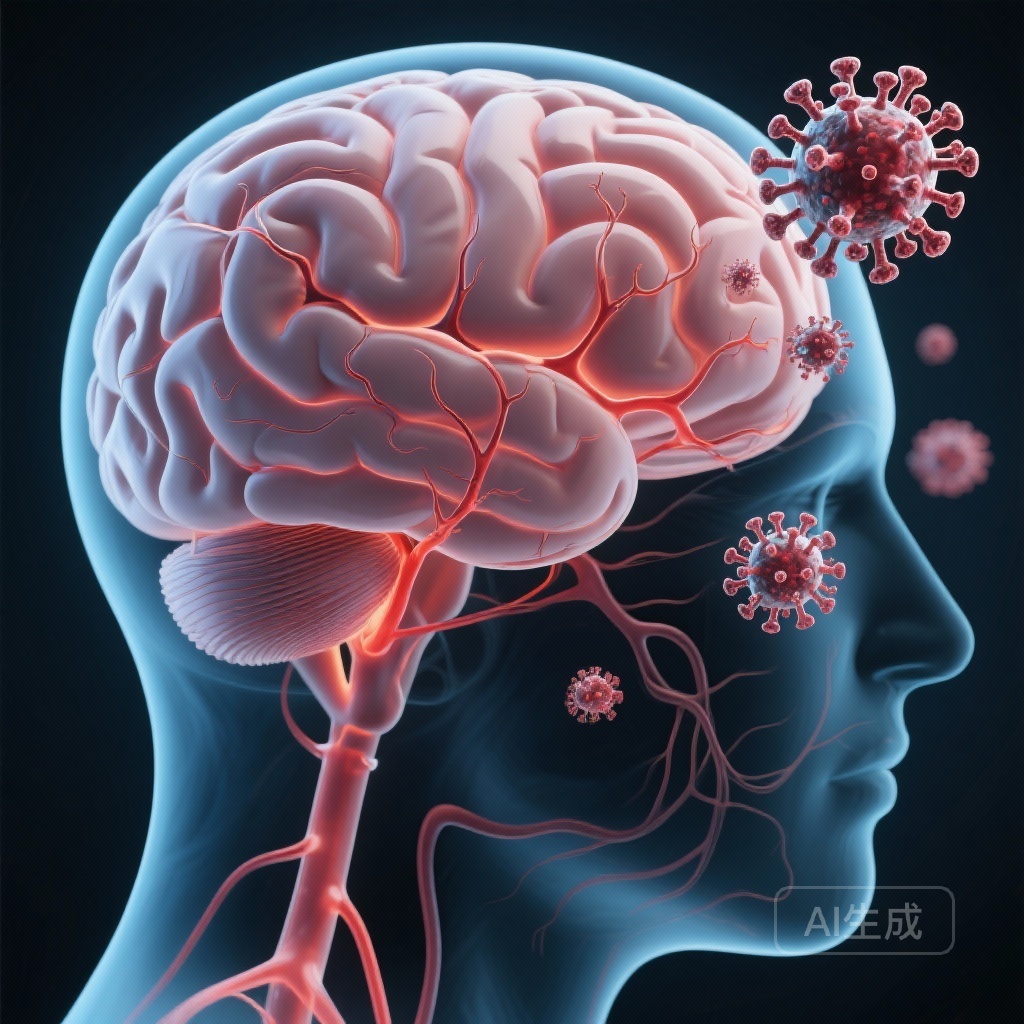
A multi-center randomized clinical trial published in JAMA Internal Medicine demonstrates that colchicine, despite its potent anti-inflammatory properties, fails to improve 6-minute walk test distances or inflammatory markers in patients suffering from Long COVID, highlighting the complexity of the condition's pathogenesis.
Selenium Supplementation Fails to Improve Remission or Quality of Life in Graves’ Hyperthyroidism: Findings from the GRASS RCT

Selenium Supplementation Fails to Improve Remission or Quality of Life in Graves’ Hyperthyroidism: Findings from the GRASS RCT

The GRASS trial, a double-blind multi-centre RCT, found that adding 200 µg of selenium daily to standard antithyroid drug therapy does not increase remission rates or improve quality of life in patients with newly diagnosed Graves' hyperthyroidism, suggesting no clinical benefit for routine supplementation.
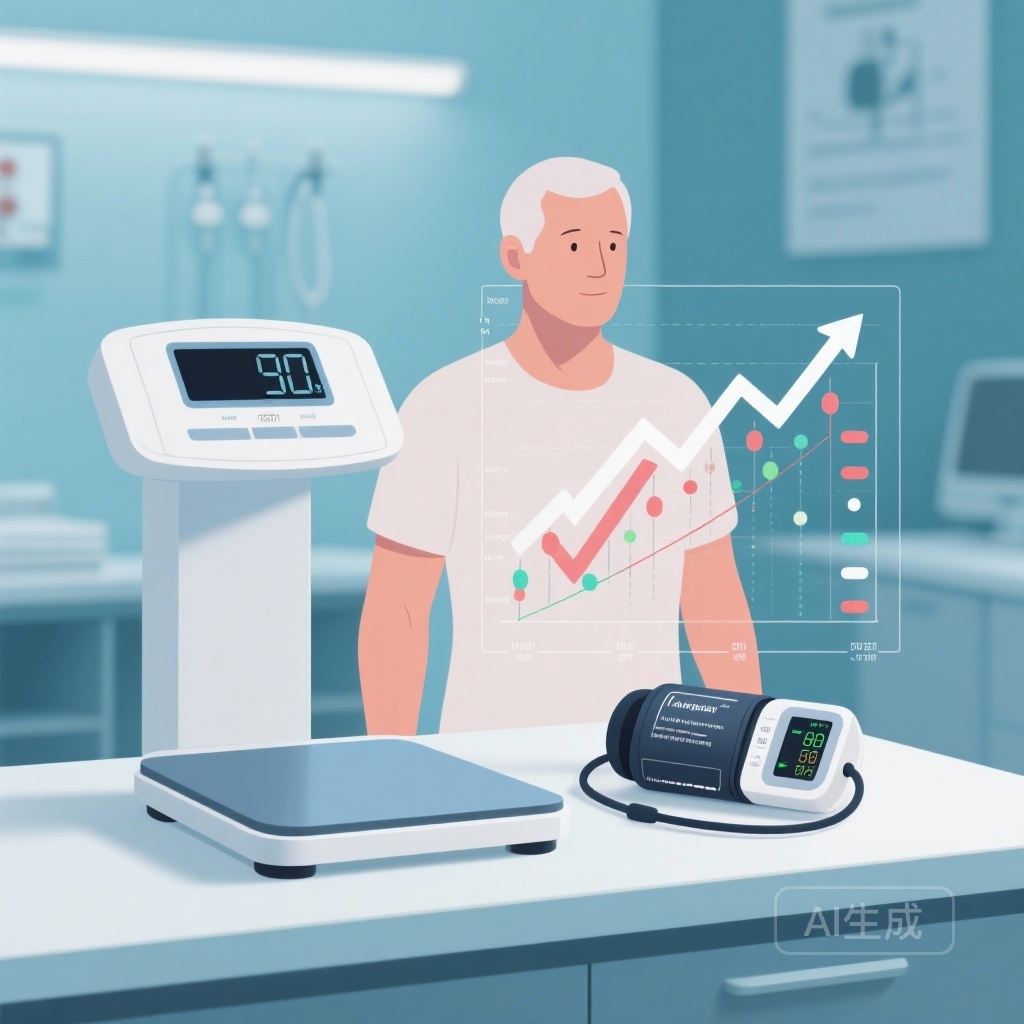
Obesity as a Chronic Condition: Weight Regain Following Tirzepatide Withdrawal Reverses Vital Cardiometabolic Gains (SURMOUNT-4 trail)

Obesity as a Chronic Condition: Weight Regain Following Tirzepatide Withdrawal Reverses Vital Cardiometabolic Gains (SURMOUNT-4 trail)

A post hoc analysis of the SURMOUNT-4 trial reveals that withdrawing tirzepatide leads to significant weight regain and a proportional reversal of improvements in blood pressure, glycemic control, and lipid profiles, reinforcing the necessity for long-term obesity management.
The Limits of Collaborative Care: Why the CLARO Trial Found No Added Benefit for OUD and Comorbid Mental Illness

The Limits of Collaborative Care: Why the CLARO Trial Found No Added Benefit for OUD and Comorbid Mental Illness

The CLARO randomized clinical trial investigated whether a collaborative care model could improve outcomes for patients with opioid use disorder and co-occurring depression or PTSD. The study found no statistically significant advantages over enhanced usual care, suggesting challenges in implementing these models for complex, low-resource populations.