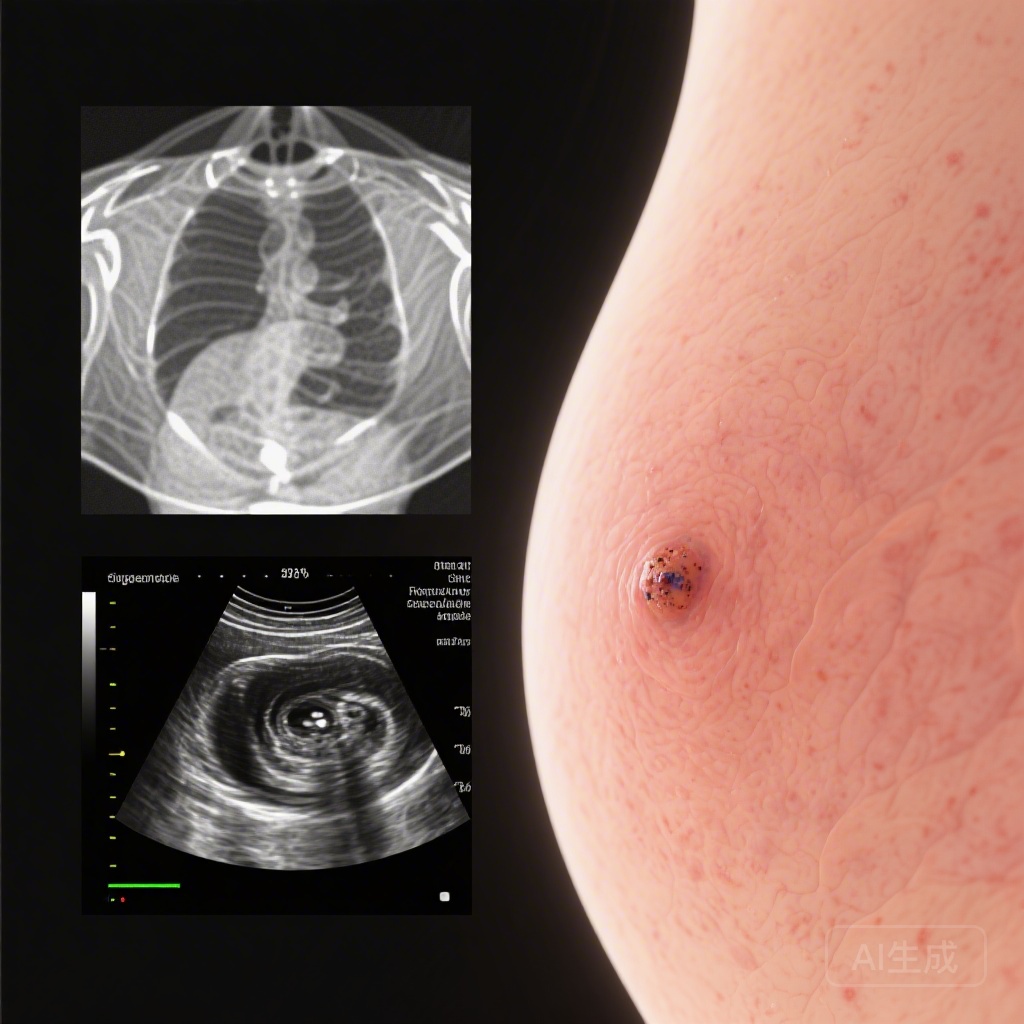
Long-Term Clinical and Immunological Landscape Following Monkeypox Virus Infection and MVA-BN Vaccination: Insights from the Belgian MPX-COHORT and POQS-FU-PLUS Studies

Long-Term Clinical and Immunological Landscape Following Monkeypox Virus Infection and MVA-BN Vaccination: Insights from the Belgian MPX-COHORT and POQS-FU-PLUS Studies

This review synthesizes 24-month follow-up data on monkeypox virus infection and MVA-BN vaccination, detailing durable immunity post-infection, comparative antibody kinetics, and clinical sequelae, informing future vaccination strategies and patient management.
Shorter Is Safe: Adjusted Analyses of BALANCE Confirm Non‑Inferiority of 7‑Day Antibiotic Courses for Uncomplicated Bloodstream Infection

Shorter Is Safe: Adjusted Analyses of BALANCE Confirm Non‑Inferiority of 7‑Day Antibiotic Courses for Uncomplicated Bloodstream Infection

A post-hoc analysis of the BALANCE randomized trial shows that after accounting for treatment non-adherence using causal inference methods, 7 days of antibiotics for uncomplicated non‑Staphylococcus aureus bloodstream infection remains non‑inferior to 14 days for 90‑day mortality.
Targeted Vaccination Is Most Efficient but Not Cost‑Effective: National Serosurvey and Modelling of Japanese Encephalitis in Bangladesh

Targeted Vaccination Is Most Efficient but Not Cost‑Effective: National Serosurvey and Modelling of Japanese Encephalitis in Bangladesh

A nationally representative serosurvey and transmission modelling study in Bangladesh estimates low population-level JEV exposure but large numbers of infections annually; spatially targeted vaccination would be most efficient, though not cost-effective under conventional thresholds.
Post‑COVID Resurgence of Mycoplasma pneumoniae in French Children: Hospital Burden, Risk Factors for ICU Admission, and Clinical Implications

Post‑COVID Resurgence of Mycoplasma pneumoniae in French Children: Hospital Burden, Risk Factors for ICU Admission, and Clinical Implications

A nationwide French multicentre cohort (ORIGAMI) documents a substantial 2023–24 paediatric hospitalisation surge from Mycoplasma pneumoniae, identifies older age, asthma, comorbidity and erythema multiforme as ICU risk factors, and highlights stewardship and surveillance priorities.
Recombinant Quadrivalent Influenza Vaccine (RIV4) Shows Non‑Inferior Immunogenicity and Acceptable Safety in 9–17‑Year‑Olds: Results of a Phase 3 Immunobridging Study

Recombinant Quadrivalent Influenza Vaccine (RIV4) Shows Non‑Inferior Immunogenicity and Acceptable Safety in 9–17‑Year‑Olds: Results of a Phase 3 Immunobridging Study

A phase 3 immunobridging study found that a single dose of recombinant quadrivalent influenza vaccine (RIV4) induced non‑inferior HAI responses in 9–17‑year‑olds vs 18–49‑year‑olds, with a comparable safety profile and fewer solicited reactions in adolescents.
Brand-Specific Influenza Vaccine Effectiveness in Nordic Older Adults: Insights from the 2024-2025 Season Registry-Based Target Trial Emulation

Brand-Specific Influenza Vaccine Effectiveness in Nordic Older Adults: Insights from the 2024-2025 Season Registry-Based Target Trial Emulation

This comprehensive review synthesizes recent evidence on brand-specific influenza vaccine effectiveness (VE) among adults aged ≥65 in Denmark, Finland, and Sweden during the 2024-2025 season, underscoring heterogeneous VE profiles and the clinical impact of high-dose adjuvanted vaccines.
Efficacy and Implementation of a Digital Cognitive Behavioural Self-Management Programme (IBD-BOOST) for Fatigue, Pain, and Faecal Incontinence in Inflammatory Bowel Disease: A Comprehensive Review

Efficacy and Implementation of a Digital Cognitive Behavioural Self-Management Programme (IBD-BOOST) for Fatigue, Pain, and Faecal Incontinence in Inflammatory Bowel Disease: A Comprehensive Review

This review evaluates the IBD-BOOST digital cognitive behavioural self-management intervention's design, trial outcomes, process evaluation, and clinical implications for managing fatigue, pain, and faecal incontinence in IBD.
Metformin Triggers Ferroptosis in AML Through Lipid Remodeling: A Repurposing Opportunity for Metabolic Subtypes

Metformin Triggers Ferroptosis in AML Through Lipid Remodeling: A Repurposing Opportunity for Metabolic Subtypes

A new ex vivo study shows metformin induces ROS-driven ferroptosis in acute myeloid leukemia (AML), particularly in samples with altered lipid metabolism (IDH2, FLT3 mutations). Lipidomic remodeling, CD36-mediated fatty acid uptake, and DGAT1 activity determine sensitivity—suggesting biomarker-guided repurposing strategies and combination approaches.
Continuing Anticoagulation After Unprovoked VTE Lowers Recurrence but Raises Bleeding — Real‑World Target Trial Emulation Shows Net Clinical Benefit

Continuing Anticoagulation After Unprovoked VTE Lowers Recurrence but Raises Bleeding — Real‑World Target Trial Emulation Shows Net Clinical Benefit

A large target‑trial emulation of US claims data found continued oral anticoagulation after ≥90 days for unprovoked VTE markedly reduced recurrent VTE and mortality, increased major bleeding, but produced an overall net clinical benefit that persisted through several years of follow‑up.