Radiotherapy for Growing Vestibular Schwannomas: Real‑World Tumor Control and What It Means for Practice

Radiotherapy for Growing Vestibular Schwannomas: Real‑World Tumor Control and What It Means for Practice

An international multicenter cohort of 1,883 patients with radiologically growing vestibular schwannomas treated first‑line with radiotherapy showed a 10‑year tumor control rate of 76.1% (primary definition). Control estimates varied widely by growth definition, underscoring the clinical importance of outcome metrics.
Adenotonsillectomy vs Watchful Waiting in Young Children with Mild–Moderate OSA: Long-term Findings from the KATE Randomized Trial

Adenotonsillectomy vs Watchful Waiting in Young Children with Mild–Moderate OSA: Long-term Findings from the KATE Randomized Trial

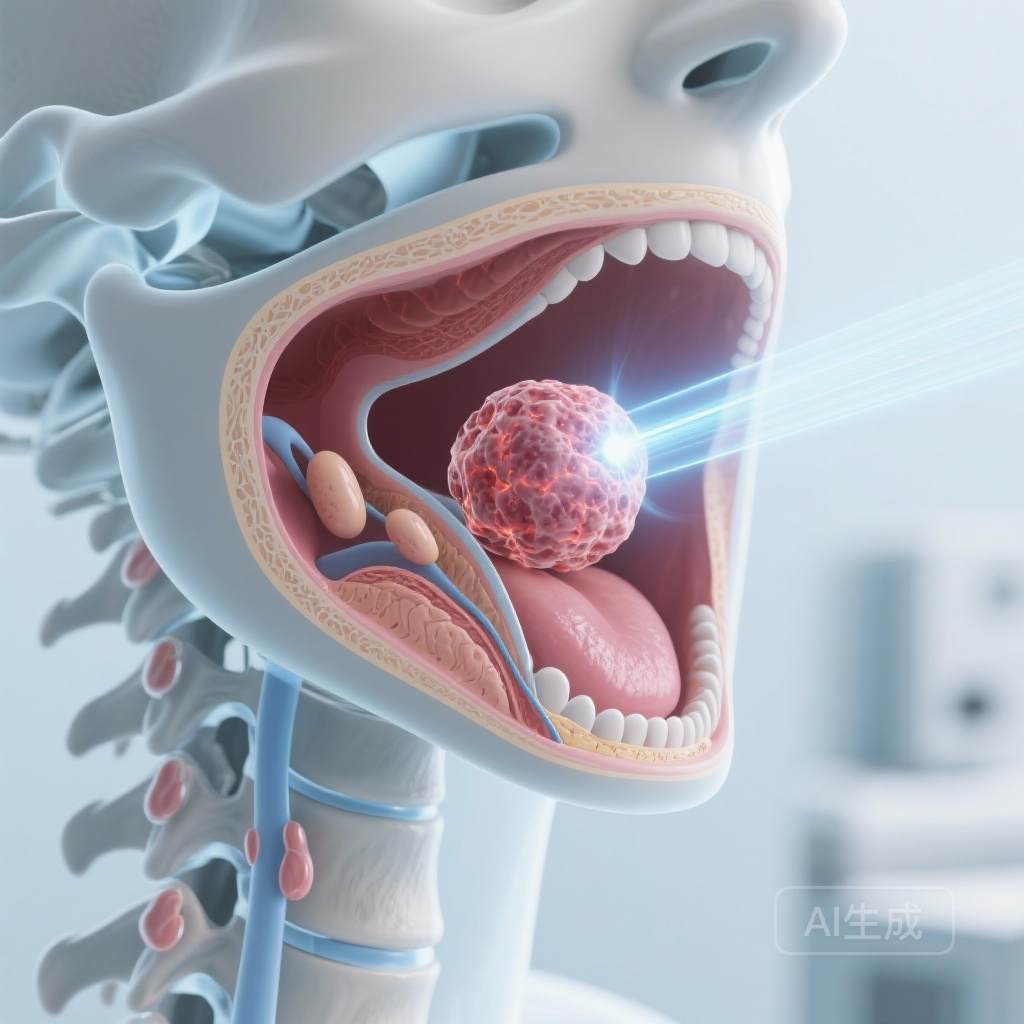
The KATE trial (n=60) found no between-group difference in polysomnographic OAHI change after 3 years, though adenotonsillectomy improved disease-specific quality of life. Nearly 42% of watchful-waiting children later underwent surgery, suggesting watchful waiting is reasonable for selected young children with mild OSA and small tonsils but requires close follow-up.
Neural Networks Predict Survival for Older Adults With Head and Neck Cancer — Useful, but Not Yet Practice-Changing

Neural Networks Predict Survival for Older Adults With Head and Neck Cancer — Useful, but Not Yet Practice-Changing

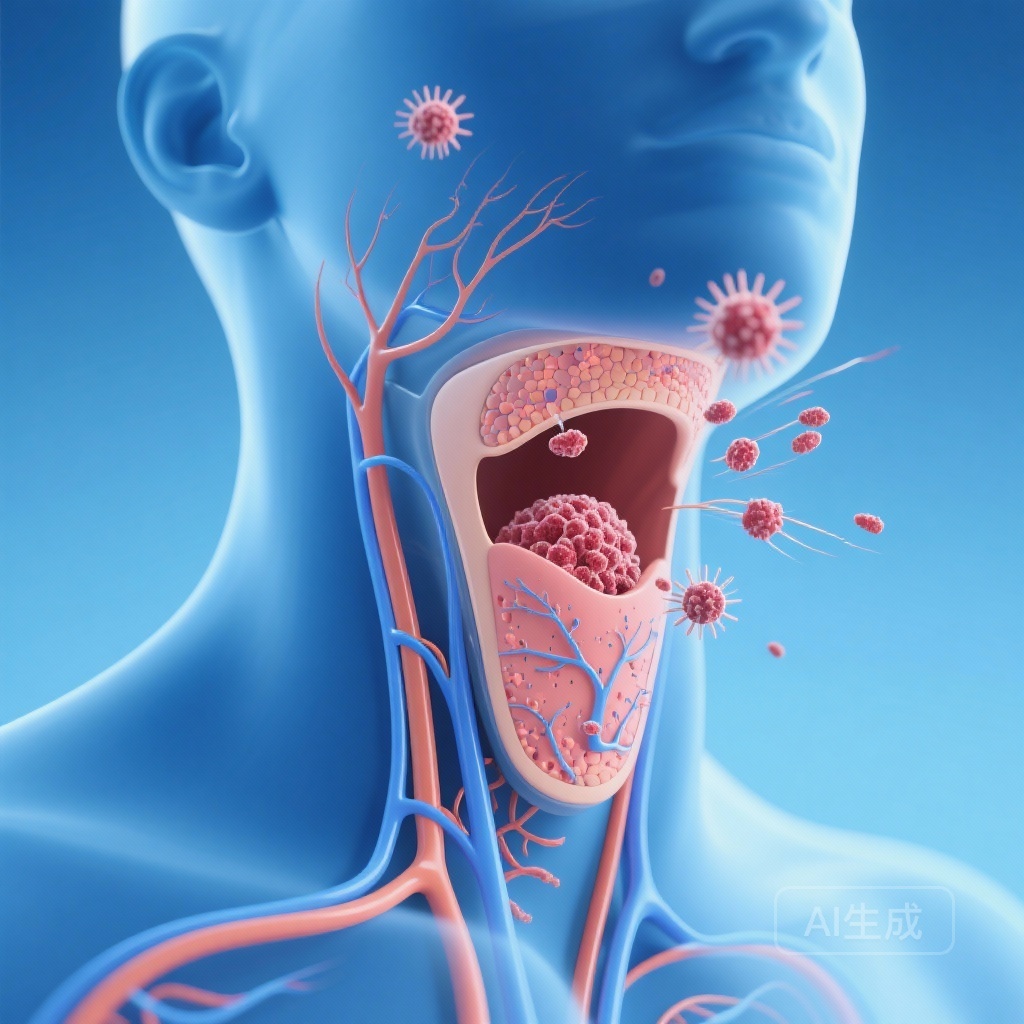
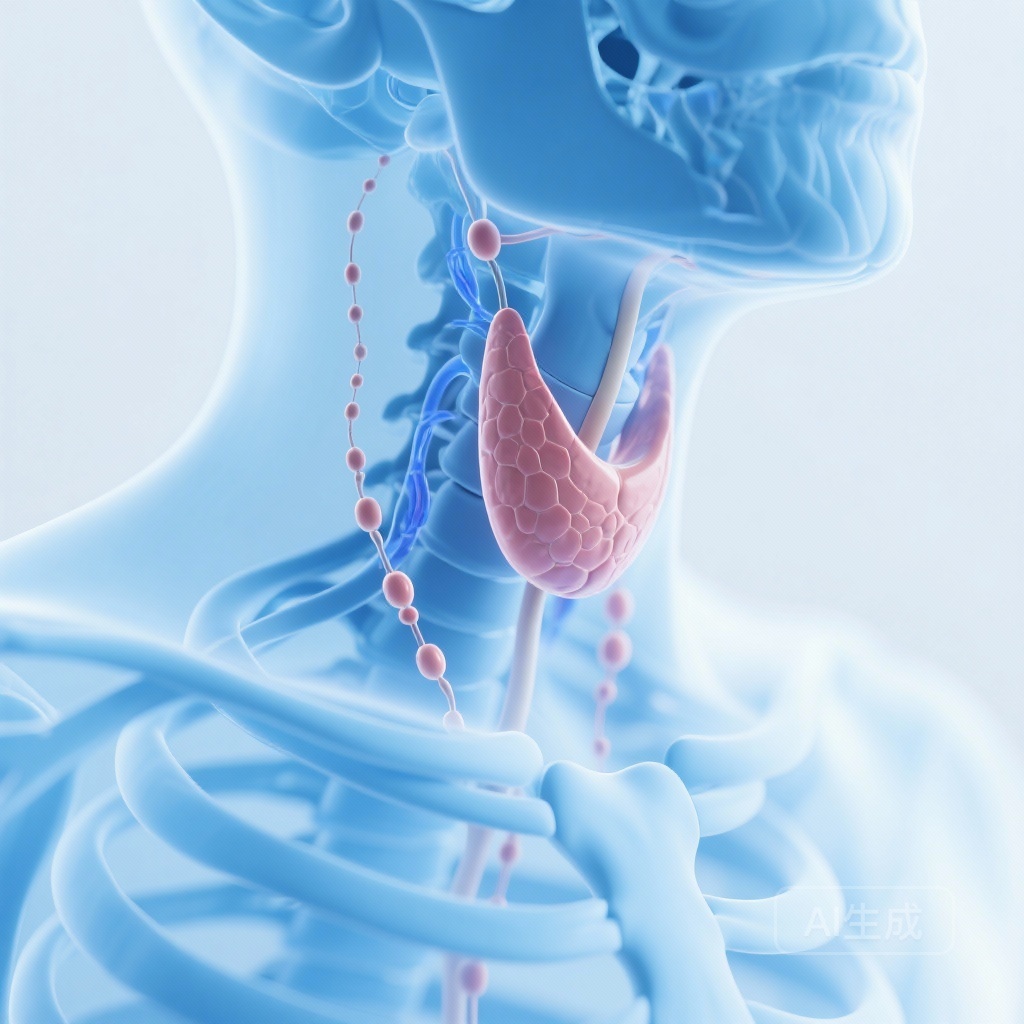
An international cohort study developed and externally validated artificial neural networks that stratify older adults with locoregionally advanced head and neck squamous cell carcinoma (HNSCC) treated with definitive chemoradiation. Models showed moderate discrimination (OS AUC 0.68, PFS AUC 0.64) with HPV status, kidney function, ECOG, and nodal stage among top predictors.
APOE ε4, Age and Sex Converge to Disturb Anterior Olfactory Nucleus Physiology: Electrophysiologic Evidence for Early Alzheimer’s Vulnerability

APOE ε4, Age and Sex Converge to Disturb Anterior Olfactory Nucleus Physiology: Electrophysiologic Evidence for Early Alzheimer’s Vulnerability

In vivo awake recordings in transgenic mice show APOE ε4 reduces neuronal excitability in the anterior olfactory nucleus (AON); adult females are more excitable than males (a sex difference lost with aging), while aging amplifies network oscillatory power — revealing interactions that may underlie early olfactory deficits in Alzheimer’s disease.
Unilateral Pediatric Chronic Otitis Media with Effusion Impairs Binaural Hearing and Raises Tinnitus Risk: Evidence Challenging Conservative Management

Unilateral Pediatric Chronic Otitis Media with Effusion Impairs Binaural Hearing and Raises Tinnitus Risk: Evidence Challenging Conservative Management

A prospective cross-sectional study finds unilateral chronic otitis media with effusion (COME) in children is associated with poorer spatial release from masking and high tinnitus prevalence, suggesting potential central auditory consequences that may warrant reappraisal of conservative treatment recommendations.
Hearing Aids Improve Some Aspects of Socio-Emotional Well‑being — But Not All: Insights from the WHAM Longitudinal Study

Hearing Aids Improve Some Aspects of Socio-Emotional Well‑being — But Not All: Insights from the WHAM Longitudinal Study

The WHAM longitudinal study finds modest psychosocial benefits from hearing‑aid uptake—reduced depression in people without tinnitus and lower loneliness in older adults—while showing limited mediation by self-perceived hearing disability and minimal effects of use duration or daily wearing hours.