Wearables and Behaviour Change Work Best: Physical Activity Interventions After Hip and Knee Arthroplasty Improve Steps but Not Sedentary Time

Wearables and Behaviour Change Work Best: Physical Activity Interventions After Hip and Knee Arthroplasty Improve Steps but Not Sedentary Time

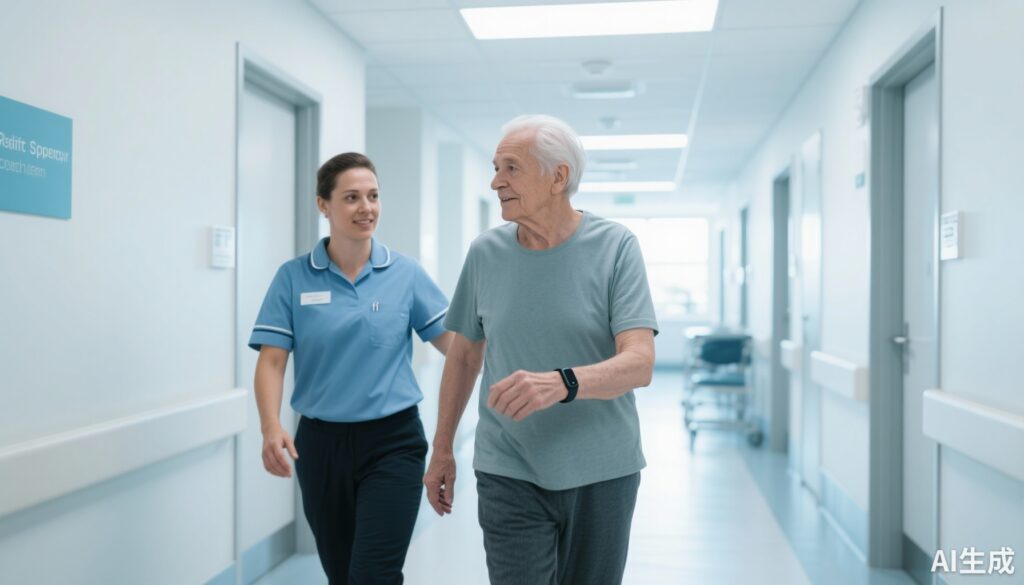
A meta-analysis of 23 RCTs (n≈1,265) found small but reliable increases in physical activity after hip or knee arthroplasty, driven by step-count gains and greater effects when interventions used wearable activity trackers, behaviour-change techniques, and were started early; effects on sedentary behaviour were uncertain.
Two-thirds of ACL-injured Patients Avoid Surgery at 2 Years: Nationwide Registry Shows Rehab-first Strategy Often Works but Younger, Pivoting-sport Athletes and Meniscal Tears Predict Delayed Reconstruction

Two-thirds of ACL-injured Patients Avoid Surgery at 2 Years: Nationwide Registry Shows Rehab-first Strategy Often Works but Younger, Pivoting-sport Athletes and Meniscal Tears Predict Delayed Reconstruction

A Norwegian registry study reports that 63% of patients with primary ACL injury initially managed non‑operatively remained non‑operative at two years; younger age, participation in pivoting sports and baseline meniscal injury increased risk of delayed ACL reconstruction, while 2‑year KOOS scores were similar.
Online Unsupervised Tai Chi Intervention for Knee Osteoarthritis: Insights from the RETREAT Randomized Clinical Trial and Systematic Reviews

Online Unsupervised Tai Chi Intervention for Knee Osteoarthritis: Insights from the RETREAT Randomized Clinical Trial and Systematic Reviews

This review synthesizes evidence from the RETREAT RCT and past systematic reviews, highlighting that an unsupervised online Tai Chi program significantly improves knee pain and function in knee osteoarthritis, providing a scalable, accessible exercise option.