Skip to content
medxy logo Medxy AI
  • Specialties
    • Allergy & Immunology
    • Anesthesiology
    • Cardiology
    • Critical Care
    • Dermatology
    • Diabetes & Endocrinology
    • Emergency Medicine
    • Family Medicine & Nutrition
    • Gastroenterology
    • General Surgery
    • Hematology-Oncology
    • HIV/AIDS
    • Infectious Diseases
    • Internal Medicine
    • Nephrology
    • Neurology
    • Nursing & care
    • OB/GYN & Women’s Health
    • Oncology
    • Ophthalmology
    • Orthopedics
    • Otorhinolaryngology
    • Pathology & Lab Medicine
    • Pediatrics
    • Plastic Surgery
    • Psychiatry
    • Public Health
    • Radiology
    • Respiratory
    • Rheumatology
    • Urology
  • Clinical Updates
  • Medical News
  • iDoctor
  • Specialties
    • Allergy & Immunology
    • Anesthesiology
    • Cardiology
    • Critical Care
    • Dermatology
    • Diabetes & Endocrinology
    • Emergency Medicine
    • Family Medicine & Nutrition
    • Gastroenterology
    • General Surgery
    • Hematology-Oncology
    • HIV/AIDS
    • Infectious Diseases
    • Internal Medicine
    • Nephrology
    • Neurology
    • Nursing & care
    • OB/GYN & Women’s Health
    • Oncology
    • Ophthalmology
    • Orthopedics
    • Otorhinolaryngology
    • Pathology & Lab Medicine
    • Pediatrics
    • Plastic Surgery
    • Psychiatry
    • Public Health
    • Radiology
    • Respiratory
    • Rheumatology
    • Urology
  • Clinical Updates
  • Medical News
  • iDoctor
  • facebook.com
  • twitter.com
  • t.me
  • instagram.com
  • youtube.com
Subscribe
  • Home
  • Specialties
  • Neurology
  • Page 20
Optimizing Head Positioning in Large Vessel Occlusion Stroke Before Thrombectomy: Evidence from a Randomized Clinical Trial

Posted inClinical Updates Neurology Specialties

Optimizing Head Positioning in Large Vessel Occlusion Stroke Before Thrombectomy: Evidence from a Randomized Clinical Trial

Posted by MedXY By MedXY 09/11/2025
A recent randomized clinical trial demonstrates that 0° head-of-bed positioning prior to thrombectomy in patients with large vessel occlusion stroke preserves neurological stability and reduces mortality compared to the conventional 30° elevation.
Read More
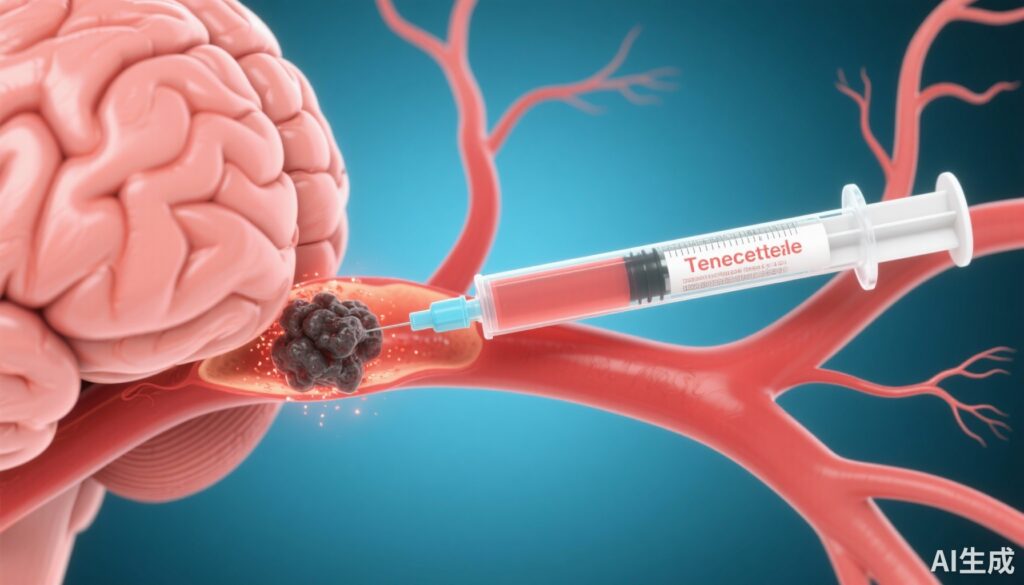
Evaluating Intra-Arterial Tenecteplase Post-Thrombectomy in Large Vessel Occlusion Stroke: Safety and Early Efficacy from a Dose-Escalation Randomized Trial
Posted inNeurology Specialties

Evaluating Intra-Arterial Tenecteplase Post-Thrombectomy in Large Vessel Occlusion Stroke: Safety and Early Efficacy from a Dose-Escalation Randomized Trial

Posted by MedXY By MedXY 09/11/2025
Adjunctive intra-arterial tenecteplase after successful reperfusion in anterior circulation large vessel occlusion stroke demonstrates an acceptable safety profile at low doses, supporting further investigation into its therapeutic potential.
Read More
Behavioral Therapy Matches Drug Efficacy for Overactive Bladder in Parkinson’s Disease: Insights from a Randomized Noninferiority Trial
Posted inClinical Updates Neurology news Specialties Urology

Behavioral Therapy Matches Drug Efficacy for Overactive Bladder in Parkinson’s Disease: Insights from a Randomized Noninferiority Trial

Posted by MedXY By MedXY 09/11/2025
A 12-week randomized trial demonstrates that behavioral therapy is noninferior to solifenacin in treating overactive bladder symptoms in Parkinson disease, with fewer adverse effects, supporting behavioral therapy as a frontline treatment option.
Read More
Inflammatory Exposure Amplifies Depressive Symptoms in Older Adults with Insomnia: Insights from a Randomized Clinical Trial
Posted inClinical Updates Neurology news

Inflammatory Exposure Amplifies Depressive Symptoms in Older Adults with Insomnia: Insights from a Randomized Clinical Trial

Posted by MedXY By MedXY 09/11/2025
A randomized clinical trial reveals older adults with insomnia have heightened depressive responses to inflammatory challenge, underscoring the need for targeted depression monitoring and prevention strategies in this vulnerable population.
Read More
Innovations in Prenatal Care: In Utero Embolization for Vein of Galen Malformation
Posted inClinical Updates Neurology news OB/GYN & Women's Health Specialties

Innovations in Prenatal Care: In Utero Embolization for Vein of Galen Malformation

Posted by MedXY By MedXY 09/10/2025
In utero embolization for fetal Vein of Galen malformation shows early promise in reducing mortality and neurodevelopmental delays, despite increased risk of preterm delivery.
Read More
Anti-Inflammatory Diet and Alzheimer’s Disease Mortality: Insights from a National Cohort Study
Posted inFamily Medicine & Nutrition Neurology news Specialties

Anti-Inflammatory Diet and Alzheimer’s Disease Mortality: Insights from a National Cohort Study

Posted by MedXY By MedXY 09/07/2025
Higher adherence to an anti-inflammatory diet is linked to lower all-cause mortality and a trend toward reduced Alzheimer's disease mortality, particularly among men and non-Hispanic Whites, highlighting dietary modification as a potential strategy to mitigate neuroinflammation and AD risk.
Read More
Cerebral Embolic Protection Fails to Preserve Cognitive Function After TAVI: Insights from the BHF PROTECT-TAVI Trial
Posted inCardiology Neurology news Specialties

Cerebral Embolic Protection Fails to Preserve Cognitive Function After TAVI: Insights from the BHF PROTECT-TAVI Trial

Posted by MedXY By MedXY 09/06/2025
The BHF PROTECT-TAVI randomized trial reveals that cerebral embolic protection (CEP) devices do not prevent cognitive decline following transcatheter aortic valve implantation (TAVI), challenging assumptions about their neuroprotective benefits.
Read More
Genotype-Specific Metabolic Insights and Mediterranean Diet Impact on Dementia Risk and Cognitive Health
Posted inClinical Updates Family Medicine & Nutrition Neurology news Specialties

Genotype-Specific Metabolic Insights and Mediterranean Diet Impact on Dementia Risk and Cognitive Health

Posted by MedXY By MedXY 09/04/2025
This article explores how genetic variants, plasma metabolites, and Mediterranean diet adherence interplay in modulating dementia risk and cognitive function, highlighting precision nutrition approaches for Alzheimer’s disease prevention.
Read More
Precision Nutrition: Can the Mediterranean Diet Reduce Alzheimer’s Risk in APOE4 Carriers?
Posted inFamily Medicine & Nutrition Medical News Neurology news Specialties

Precision Nutrition: Can the Mediterranean Diet Reduce Alzheimer’s Risk in APOE4 Carriers?

Posted by MedXY By MedXY 09/04/2025
A large prospective study reveals that adherence to a Mediterranean diet significantly lowers dementia risk, especially in individuals carrying two copies of the APOE4 gene associated with Alzheimer’s disease, highlighting the potential of genetics-informed dietary strategies.
Read More
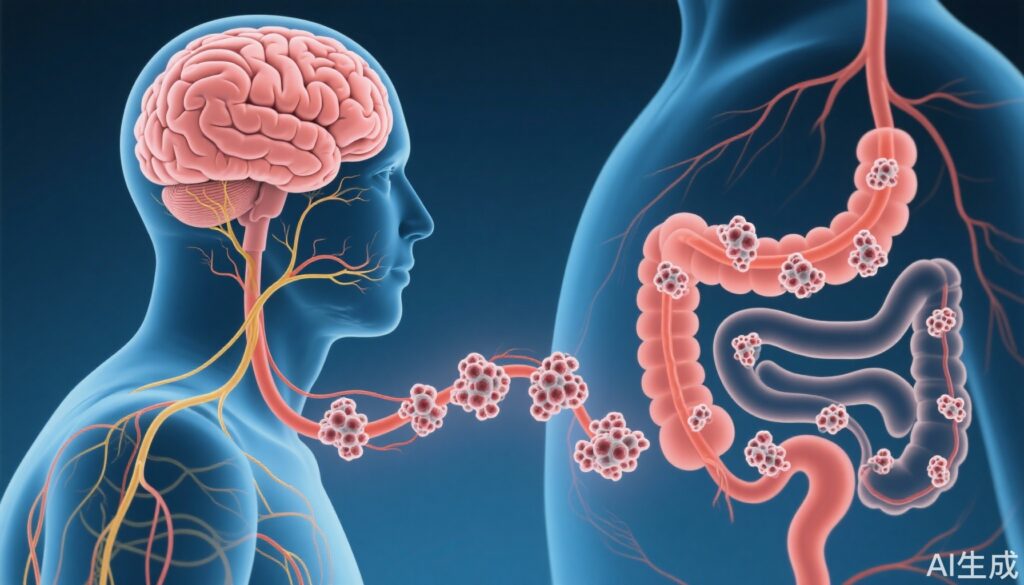
Unraveling the Gut–Brain Connection: Tau Propagation via the Vagus Nerve in Alzheimer’s Disease
Posted inClinical Updates Neurology news Specialties

Unraveling the Gut–Brain Connection: Tau Propagation via the Vagus Nerve in Alzheimer’s Disease

Posted by MedXY By MedXY 09/04/2025
Recent research reveals that pathological tau can propagate from the brain to the colon through the vagal efferent pathway in Alzheimer's disease, supporting a novel brain-to-gut axis involvement in disease progression and gut function impairment.
Read More
Distinct Small Vessel Disease Phenotype Linked to Monoallelic NOTCH3 Loss-of-Function Variants: Differentiation from CADASIL and Clinical Implications
Posted inClinical Updates Neurology news Specialties

Distinct Small Vessel Disease Phenotype Linked to Monoallelic NOTCH3 Loss-of-Function Variants: Differentiation from CADASIL and Clinical Implications

Posted by MedXY By MedXY 09/04/2025
Monoallelic NOTCH3 loss-of-function variants cause a subclinical small vessel disease distinct from CADASIL, with white matter changes but lower stroke risk; cardiovascular risk factors and aging exacerbate the phenotype.
Read More
Blood Test Breakthrough: Detecting ALS Over a Decade Before Symptoms Emerge
Posted inMedical News Neurology Pathology & Lab Medicine

Blood Test Breakthrough: Detecting ALS Over a Decade Before Symptoms Emerge

Posted by MedXY By MedXY 09/04/2025
New research identifies a protein signature in blood that detects ALS years before symptoms, challenging previous perceptions and offering hope for early diagnosis and intervention.
Read More
Impact of Screening and Care for Emotional and Cognitive Problems on Post-Ischemic Stroke Outcomes: Insights from a Dutch Multicenter Cluster-Randomized Trial
Posted inNeurology news Psychiatry Specialties

Impact of Screening and Care for Emotional and Cognitive Problems on Post-Ischemic Stroke Outcomes: Insights from a Dutch Multicenter Cluster-Randomized Trial

Posted by MedXY By MedXY 09/04/2025
A multicenter trial assessing emotional and cognitive screening post-ischemic stroke found no improvement in societal participation at 1 year, though modest early benefits in anxiety and quality of life were noted.
Read More
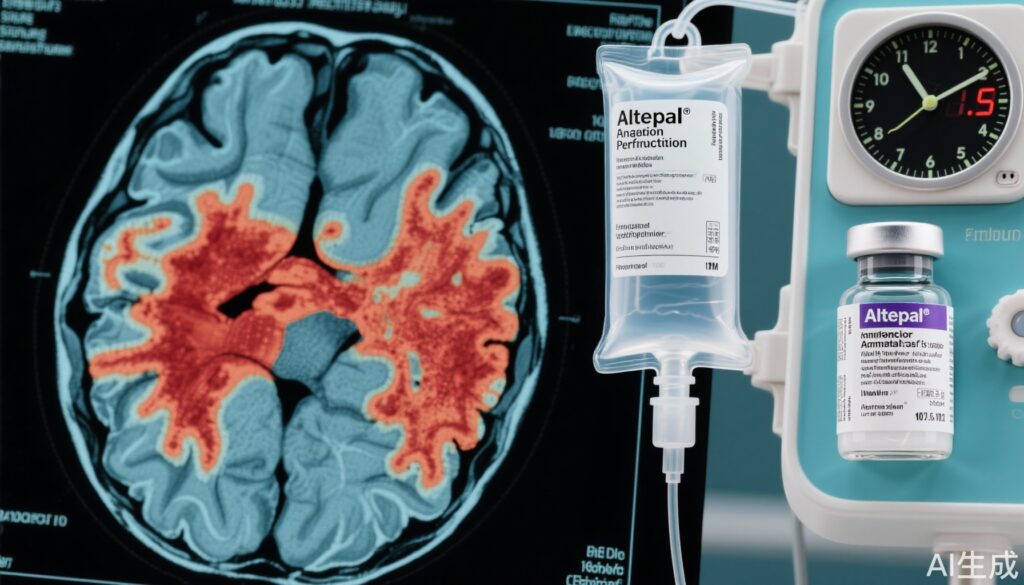
Extending the Therapeutic Window: Alteplase Use 4.5 to 24 Hours After Ischemic Stroke in the HOPE Trial
Posted inNeurology news Specialties

Extending the Therapeutic Window: Alteplase Use 4.5 to 24 Hours After Ischemic Stroke in the HOPE Trial

Posted by MedXY By MedXY 09/03/2025
The HOPE trial demonstrates that intravenous alteplase administered 4.5 to 24 hours after ischemic stroke onset improves functional independence in patients with salvageable brain tissue, despite increased risk of symptomatic intracranial hemorrhage.
Read More
FDA Approves Subcutaneous Lecanemab for Maintenance Treatment in Early Alzheimer’s Disease: A Step Toward More Accessible Care
Posted inNeurology Specialties

FDA Approves Subcutaneous Lecanemab for Maintenance Treatment in Early Alzheimer’s Disease: A Step Toward More Accessible Care

Posted by MedXY By MedXY 09/02/2025
The FDA has approved a subcutaneous form of lecanemab for maintenance therapy in early Alzheimer’s, offering similar clinical benefits to IV dosing with improved convenience and safety, potentially transforming patient care delivery.
Read More
ADHD Drugmakers Double Marketing Spending to Clinicians: Implications for Prescribing and Patient Care
Posted inMedical News Neurology news Pediatrics Psychiatry Specialties

ADHD Drugmakers Double Marketing Spending to Clinicians: Implications for Prescribing and Patient Care

Posted by MedXY By MedXY 09/01/2025
Pharmaceutical companies have significantly increased marketing payments to clinicians for ADHD medications, particularly targeting advanced practice clinicians. The impact of this trend on prescribing patterns and clinical benefits remains to be fully understood.
Read More
Delayed Seizure Control in Focal Epilepsy: Insights from the Human Epilepsy Project
Posted inNeurology Specialties

Delayed Seizure Control in Focal Epilepsy: Insights from the Human Epilepsy Project

Posted by MedXY By MedXY 09/01/2025
New data reveal many patients with focal epilepsy experience seizures beyond the first treatment year, with nearly a quarter developing resistance to antiseizure medications, underscoring the need for optimized treatment strategies.
Read More
Microplastics in Our Brains: The Invisible Threat We Can’t Ignore
Posted inFamily Medicine & Nutrition Neurology Specialties

Microplastics in Our Brains: The Invisible Threat We Can’t Ignore

Posted by MedXY By MedXY 08/31/2025
Recent studies reveal alarming accumulation of microplastics in human brains, urging urgent research to understand health risks. Microplastics infiltrate the body through daily exposure, potentially impairing brain function and health.
Read More
How Phones and Computers Can Protect Your Brain Against Dementia: Debunking the Digital Dementia Myth
Posted inMedical News Neurology news Specialties

How Phones and Computers Can Protect Your Brain Against Dementia: Debunking the Digital Dementia Myth

Posted by MedXY By MedXY 08/31/2025
A groundbreaking meta-analysis reveals that digital technology use lowers dementia risk and slows cognitive decline in adults over 50, highlighting digital tools as vital cognitive protectors rather than risks.
Read More
Why Do Phantom Limb Pains Persist? New Brain Imaging Research Offers Crucial Insights
Posted inMedical News Neurology news Radiology Specialties

Why Do Phantom Limb Pains Persist? New Brain Imaging Research Offers Crucial Insights

Posted by MedXY By MedXY 08/31/2025
New research reveals that the brain's representation of lost limbs remains stable after amputation, challenging long-held beliefs and paving the way for improved treatments for phantom limb pain and advanced neuroprosthetics.
Read More

Posts pagination

Previous page 1 … 18 19 20 21 22 … 26 Next page
  • Survival Unaffected by Surgical Complications in Advanced Esophageal Cancer: A JCOG1109 Exploratory Analysis
  • Peritoneal Cancer Risk After Risk-Reducing Salpingo-Oophorectomy: The Impact of BRCA Mutational Status and STIC Lesions
  • One-Hour Plasma Glucose: A Vital Predictor of Cardiometabolic Risk in Women with PCOS
  • The Shift Toward De-escalation: Why Radical Trachelectomy Is Losing Ground in Early-Stage Cervical Cancer
  • Management of Endometrial Polyps: A Synthesis of Modern Diagnostic and Therapeutic Strategies
  • About us
  • Contact us
  • MedXY story
  • Privacy Policy
  • Subscribe Now!
  • 账号

  • English
  • 日本語
  • Tiếng Việt
  • 中文

Alzheimer's disease artificial intelligence atrial fibrillation biomarkers breast cancer Cardiology cardiovascular disease cardiovascular health cardiovascular risk chronic kidney disease clinical trial clinical trials critical care depression diabetes epidemiology exercise health heart failure Hypertension immunotherapy inflammation MASLD mental health metformin Mortality nutrition obesity older adults oncology Pediatrics Physical Activity precision medicine Pregnancy prevention prostate cancer public health randomized clinical trial randomized trial SGLT2 inhibitors stroke targeted therapy type 2 diabetes weight loss women's health

Your health, we care

Copyright 2026 — Medxy AI. All rights reserved.
Scroll to Top
Sign in