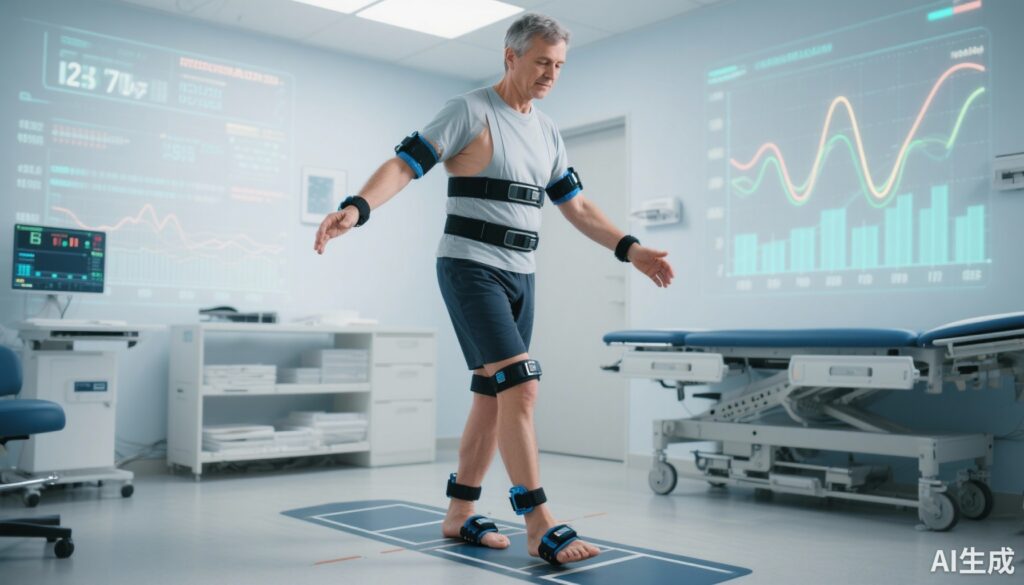
Low-Dose Caffeine Boosts Cognitive Function but Not Physical Performance in Fatigued Taekwondo Athletes: Insights from a Randomized Crossover Trial

Low-Dose Caffeine Boosts Cognitive Function but Not Physical Performance in Fatigued Taekwondo Athletes: Insights from a Randomized Crossover Trial

A 200 mg caffeine dose enhances cognitive processing by reducing brain fatigue markers without improving physical performance in fatigued Taekwondo athletes. The findings underscore caffeine's selective benefit on mental function over physical agility post-fatigue.
Improving Sleep Quality through Cognitive Behavioural Therapy Alters Food Preferences in Adults with Overweight and Obesity

Improving Sleep Quality through Cognitive Behavioural Therapy Alters Food Preferences in Adults with Overweight and Obesity

Cognitive behavioural therapy for insomnia enhances self-reported sleep quality and duration, reduces cravings for sweet and savoury foods, and shifts implicit food preferences in adults with overweight or obesity, though dietary intake changes remain uncertain.
Recent Advances in Cinnamon and Its Extracts: Clinical Applications and Therapeutic Potentials Across Metabolic, Cardiovascular, Cognitive, and Infectious Diseases

Recent Advances in Cinnamon and Its Extracts: Clinical Applications and Therapeutic Potentials Across Metabolic, Cardiovascular, Cognitive, and Infectious Diseases

A decade of research highlights cinnamon's benefits in glycemic control, lipid modulation, anti-inflammatory effects, cognitive enhancement, and antimicrobial activity, supporting its adjunctive clinical use and revealing promising therapeutic directions.