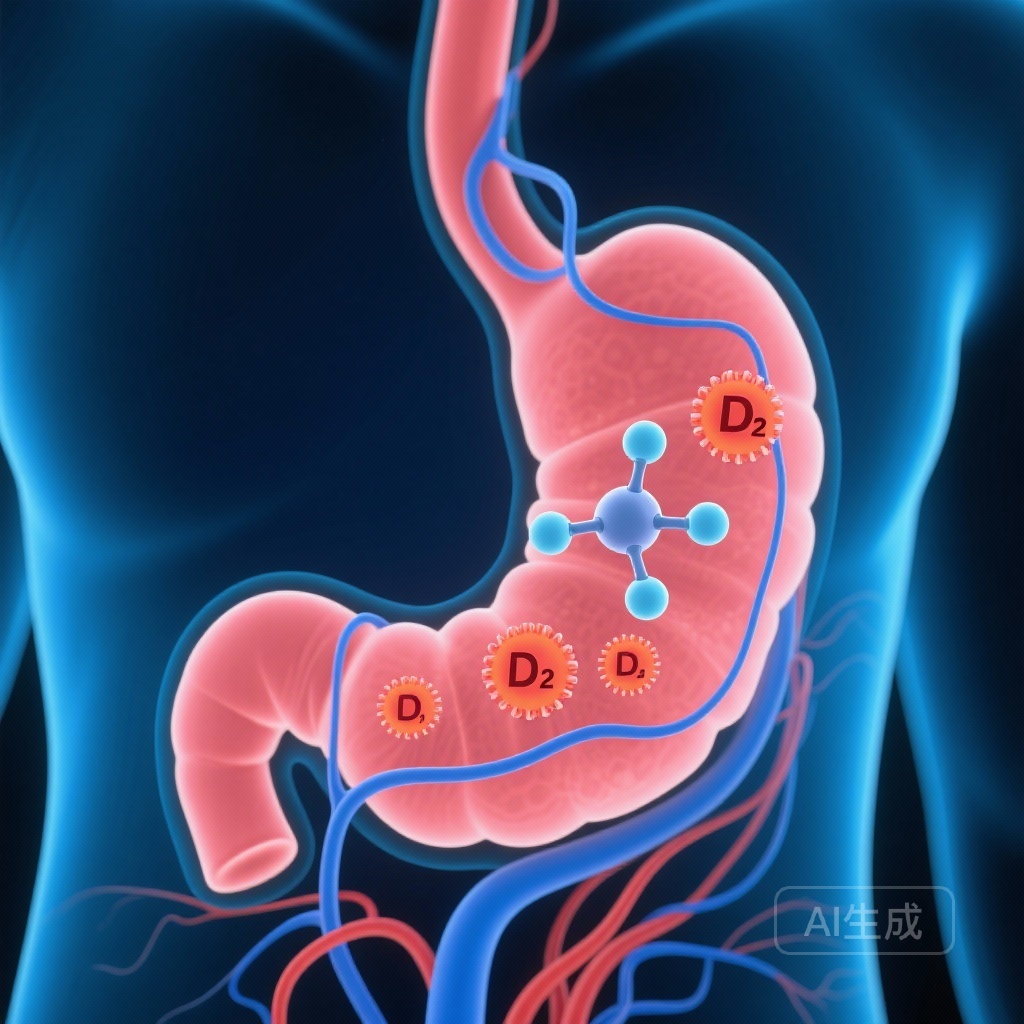
Oral Magnesium Reduces Risk of Death and Hospitalization in Heart Failure Patients with Hypomagnesemia

Oral Magnesium Reduces Risk of Death and Hospitalization in Heart Failure Patients with Hypomagnesemia

A large-scale study of US veterans demonstrates that oral magnesium therapy significantly improves outcomes in heart failure patients with hypomagnesemia, especially those with levels below 1.3 mg/dL. Conversely, supplementation in normomagnesemic patients may increase risks, highlighting the necessity of baseline-guided clinical intervention.
Guided Antiplatelet De-escalation Proves Safe in High Atherothrombotic Risk ACS Patients: Insights from TROPICAL-ACS

Guided Antiplatelet De-escalation Proves Safe in High Atherothrombotic Risk ACS Patients: Insights from TROPICAL-ACS

Post-hoc analysis of the TROPICAL-ACS trial demonstrates that platelet function testing-guided de-escalation of dual antiplatelet therapy from prasugrel to clopidogrel is safe and effective in ACS patients, regardless of their atherothrombotic risk profile, offering a viable strategy for individualized care.
Colchicine for Long COVID: Randomized Trial Finds No Benefit in Functional Recovery or Inflammatory Resolution

Colchicine for Long COVID: Randomized Trial Finds No Benefit in Functional Recovery or Inflammatory Resolution

A multi-center randomized clinical trial published in JAMA Internal Medicine demonstrates that colchicine, despite its potent anti-inflammatory properties, fails to improve 6-minute walk test distances or inflammatory markers in patients suffering from Long COVID, highlighting the complexity of the condition's pathogenesis.
Selenium Supplementation Fails to Improve Remission or Quality of Life in Graves’ Hyperthyroidism: Findings from the GRASS RCT

Selenium Supplementation Fails to Improve Remission or Quality of Life in Graves’ Hyperthyroidism: Findings from the GRASS RCT

The GRASS trial, a double-blind multi-centre RCT, found that adding 200 µg of selenium daily to standard antithyroid drug therapy does not increase remission rates or improve quality of life in patients with newly diagnosed Graves' hyperthyroidism, suggesting no clinical benefit for routine supplementation.
The Limits of Collaborative Care: Why the CLARO Trial Found No Added Benefit for OUD and Comorbid Mental Illness

The Limits of Collaborative Care: Why the CLARO Trial Found No Added Benefit for OUD and Comorbid Mental Illness

The CLARO randomized clinical trial investigated whether a collaborative care model could improve outcomes for patients with opioid use disorder and co-occurring depression or PTSD. The study found no statistically significant advantages over enhanced usual care, suggesting challenges in implementing these models for complex, low-resource populations.
Beyond the Golden Years: Young COPD and Early Lung Function Decline as Critical Drivers of Premature Mortality and Cardiovascular Risk

Beyond the Golden Years: Young COPD and Early Lung Function Decline as Critical Drivers of Premature Mortality and Cardiovascular Risk

Recent evidence reveals that COPD in adults under 50 is more prevalent than previously thought, significantly increasing the risk of premature death and heart failure. Furthermore, impaired lung function trajectories starting in childhood predict respiratory symptoms long before a clinical diagnosis of COPD is made.
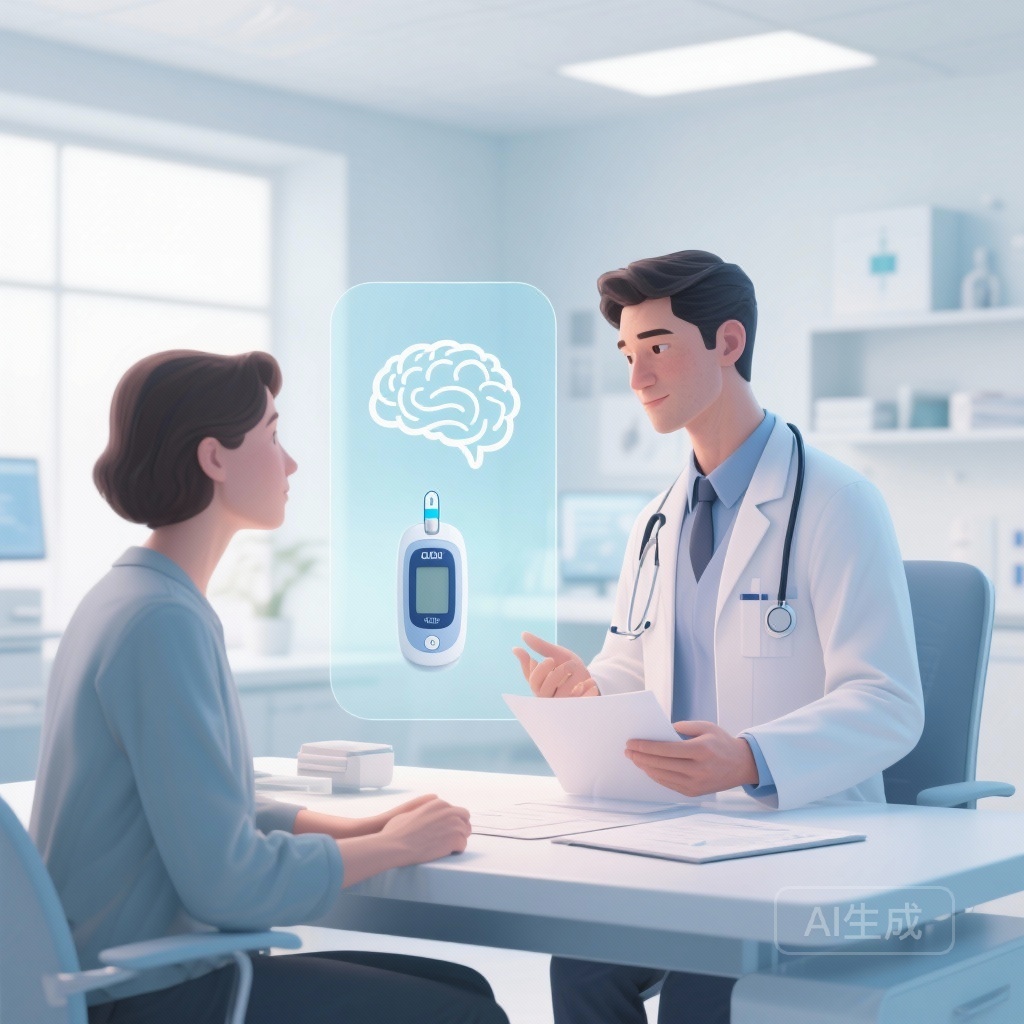
Beyond the Alarm: Does CGM Truly Restore Hypoglycemia Awareness in Older Adults with Type 1 Diabetes?

Beyond the Alarm: Does CGM Truly Restore Hypoglycemia Awareness in Older Adults with Type 1 Diabetes?

This post hoc analysis of the WISDM study evaluates whether 52 weeks of continuous glucose monitoring (CGM) improves impaired awareness of hypoglycemia (IAH) in older adults. While severe events decreased, physiological awareness remained largely unchanged, revealing critical limitations in current IAH assessment tools.
One in Three Older Emergency Admissions Face Cognitive Morbidity: Insights from the ORCHARD-EPR Study

One in Three Older Emergency Admissions Face Cognitive Morbidity: Insights from the ORCHARD-EPR Study

A large-scale cross-sectional study of 51,202 admissions reveals that 35.6% of patients aged 70 and older experience cognitive morbidity, predominantly delirium. The findings underscore the urgent necessity for hospital-wide screening and multidisciplinary geriatric support across nearly all medical and surgical specialties.